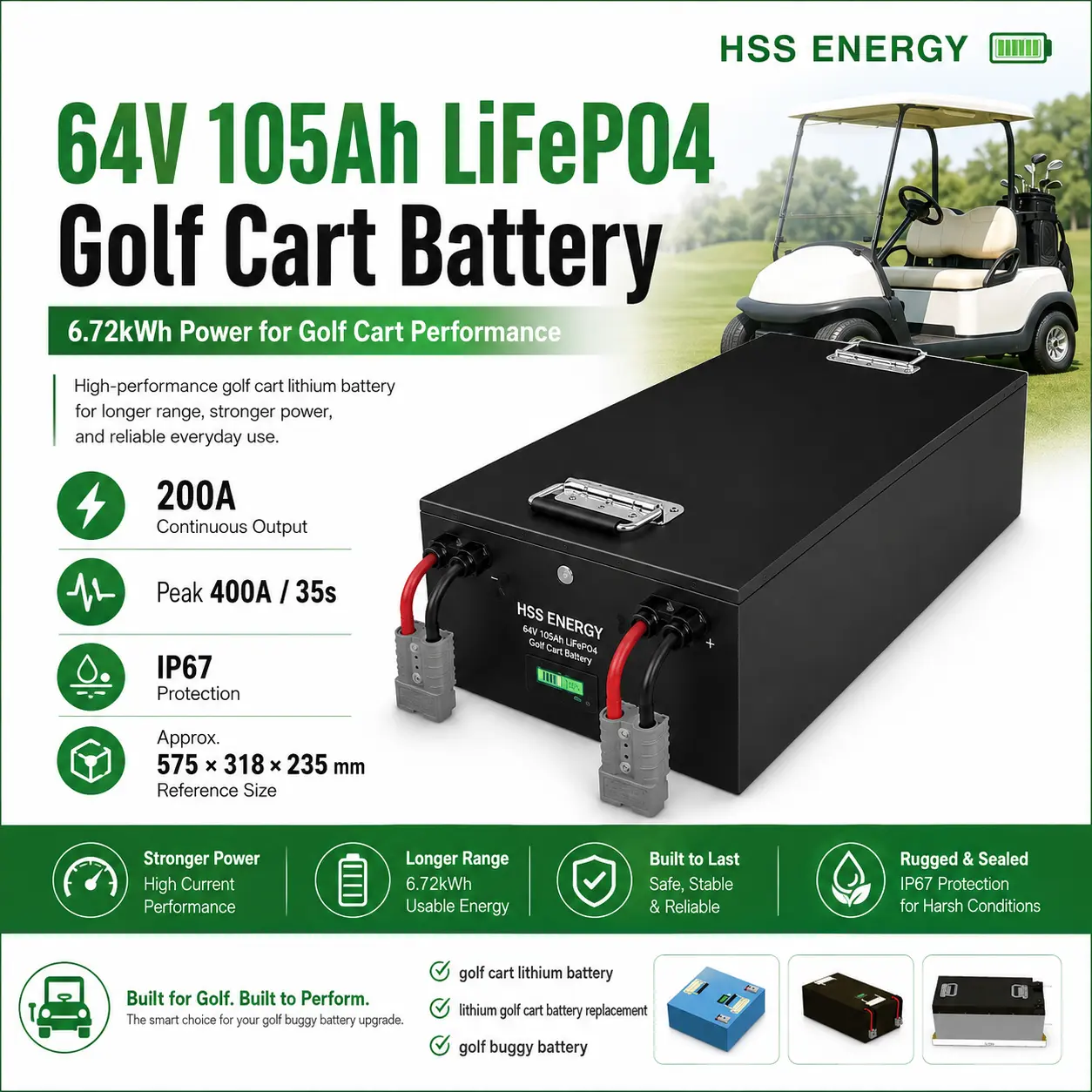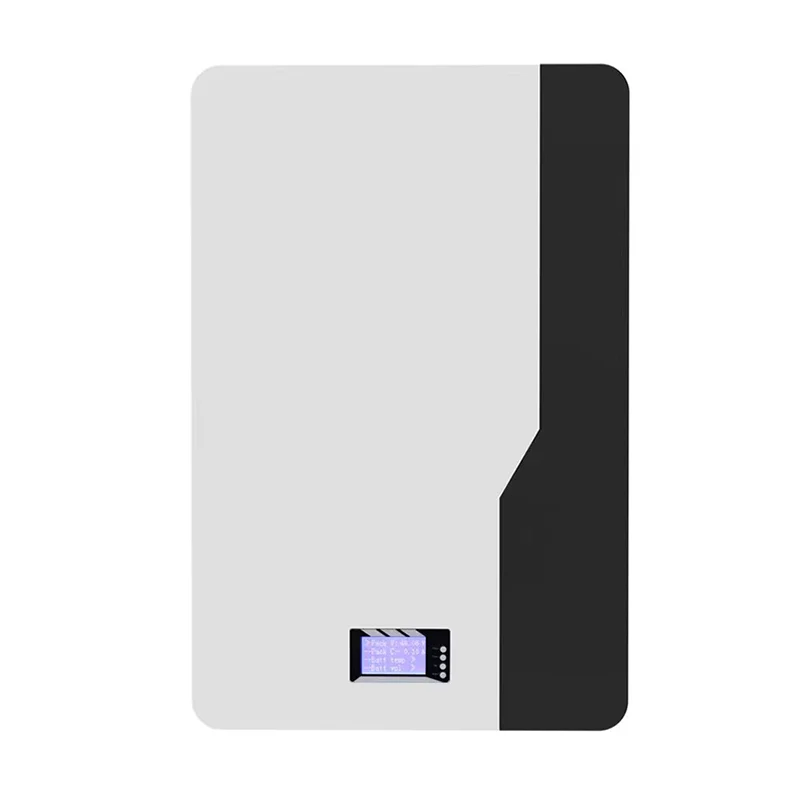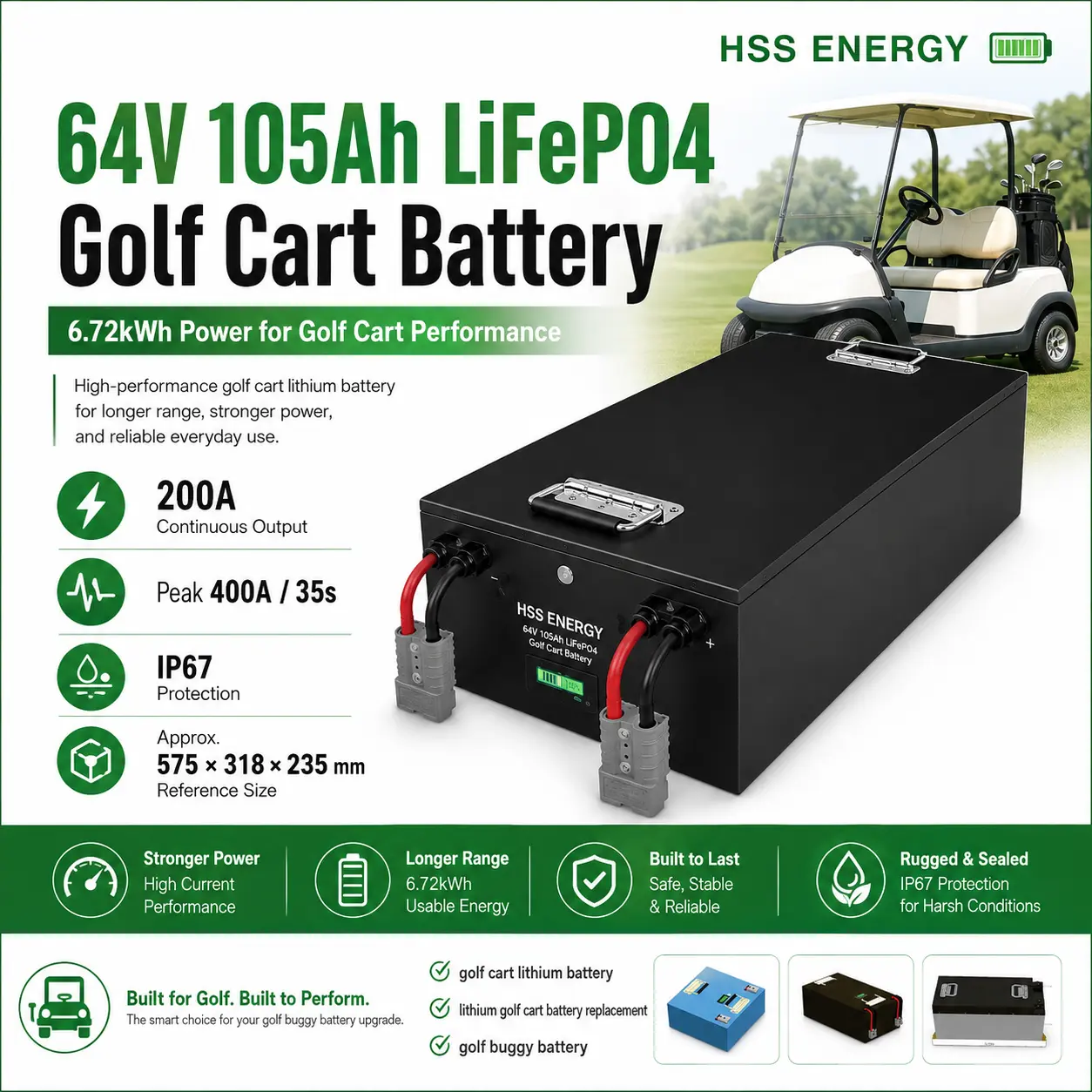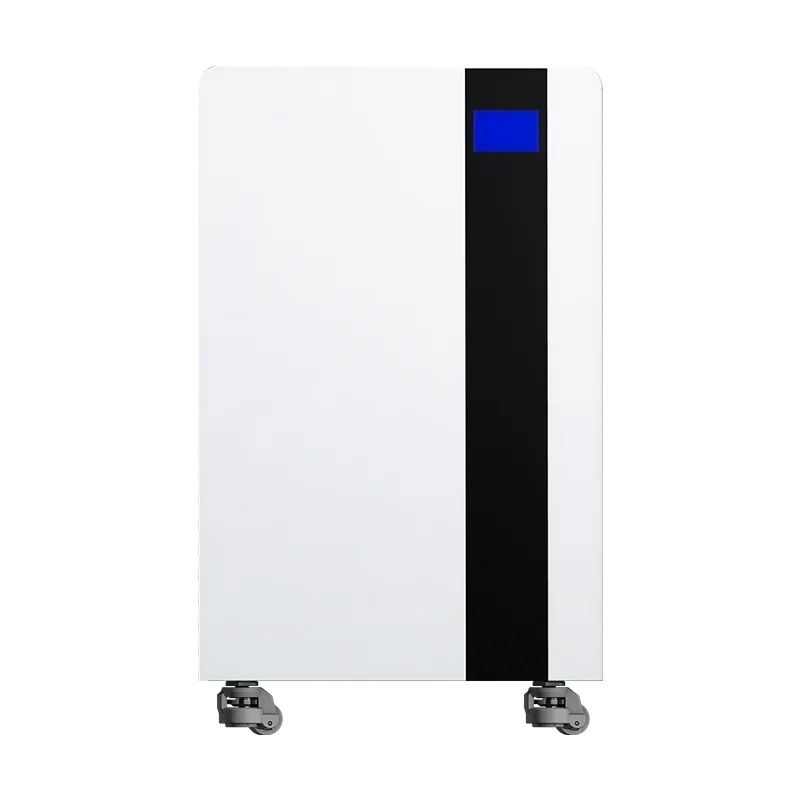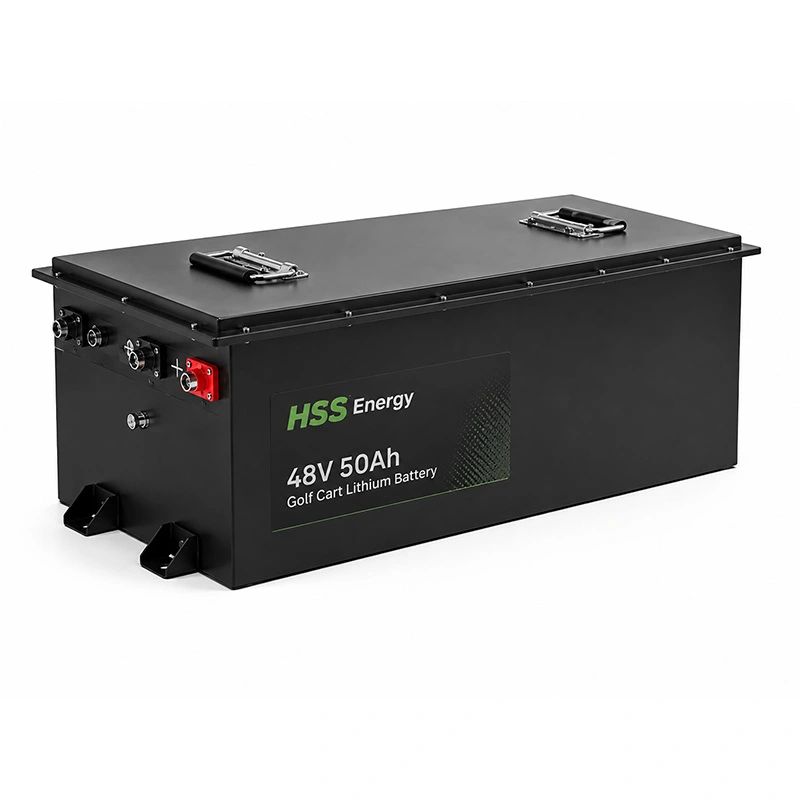
A 48V 50Ah Golf Cart Lithium Battery supplied by HSS Energy is not automatically the right answer for every cart, but it can be the commercially smarter answer when the duty cycle is moderate and the battery tray is limited. Instead of paying for unused capacity, customers can size the pack around real driving time, slope, payload and charging windows, while keeping the electrical and mechanical interfaces aligned with the vehicle. For distributors and OEM programs, this also creates a clearer product position: a compact entry capacity that can be customized for the cart, then scaled to a larger Ah platform when the route or payload genuinely requires more onboard energy.
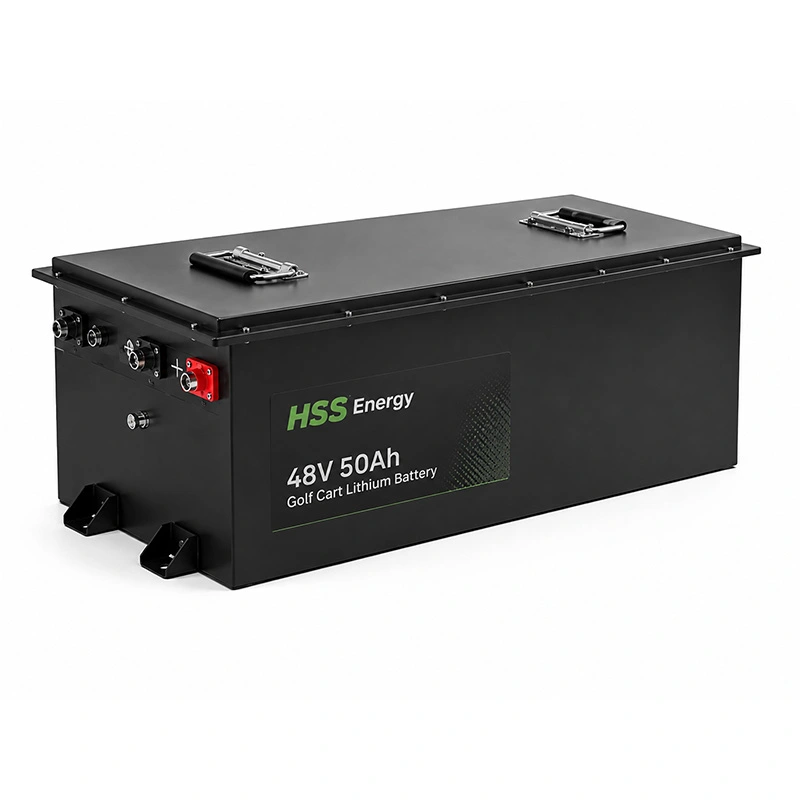
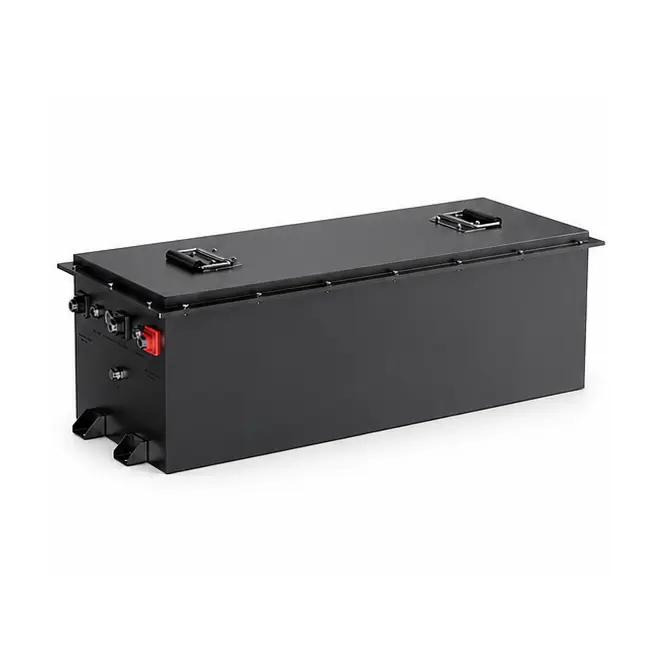
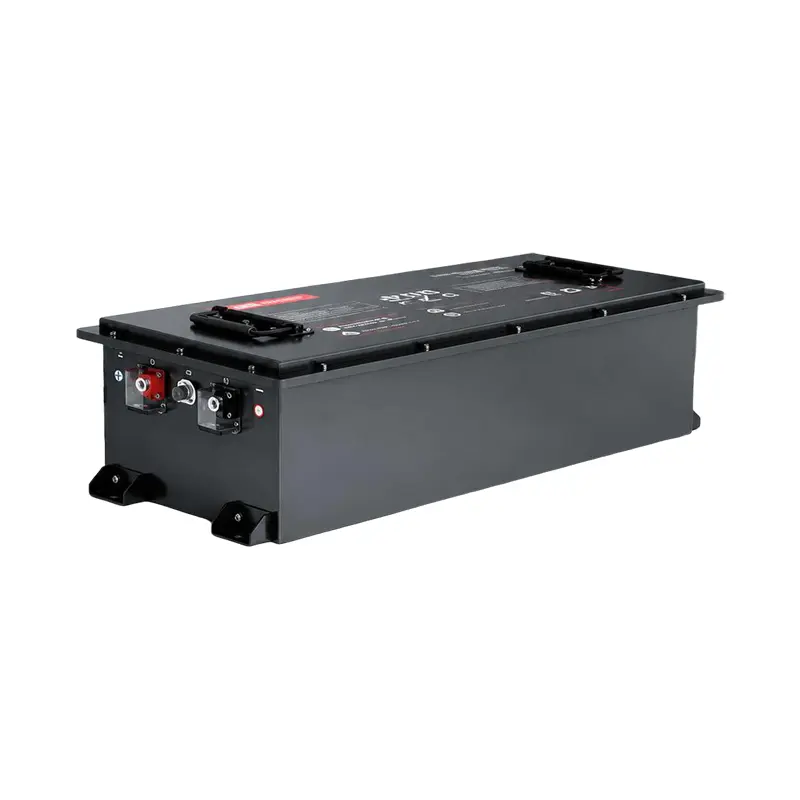
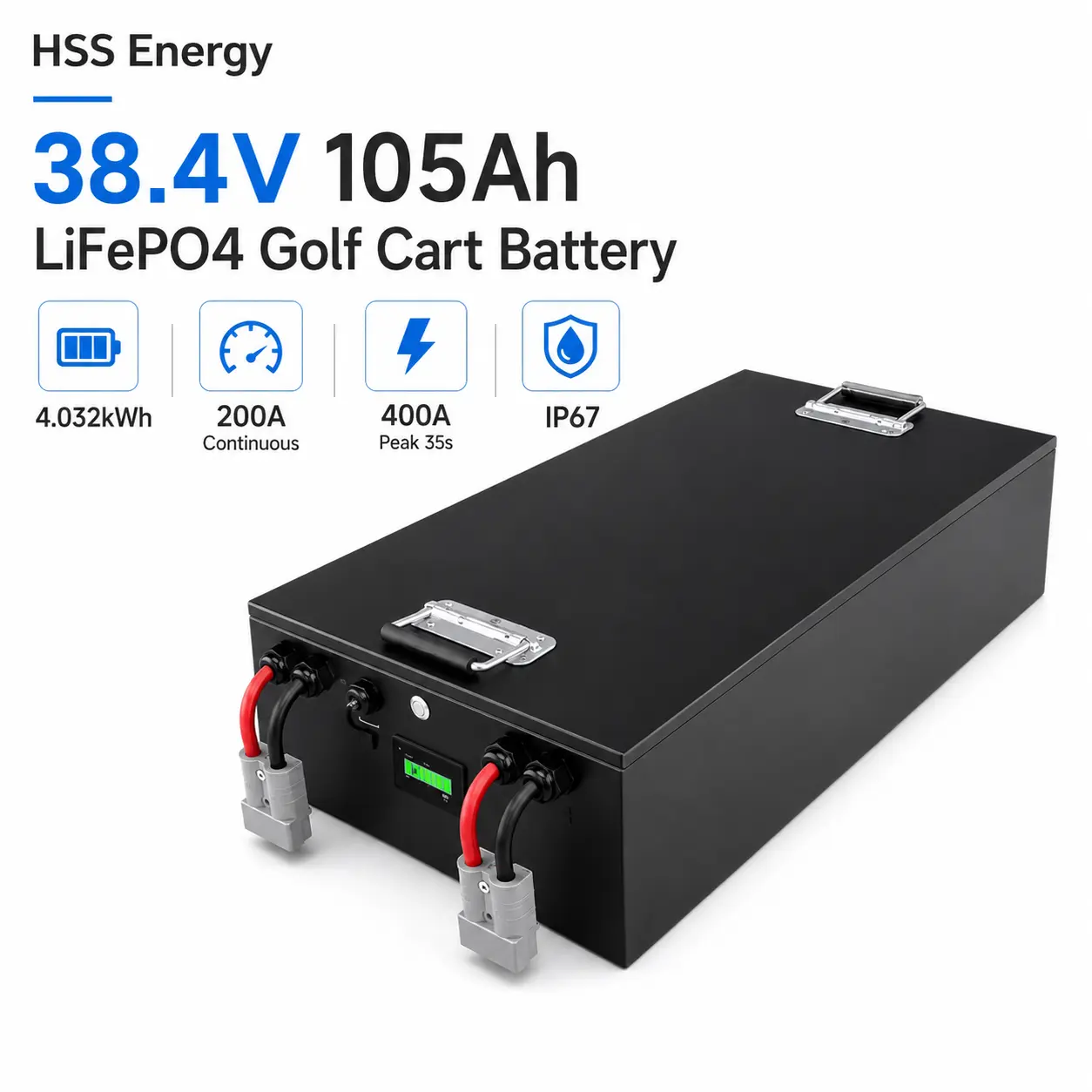
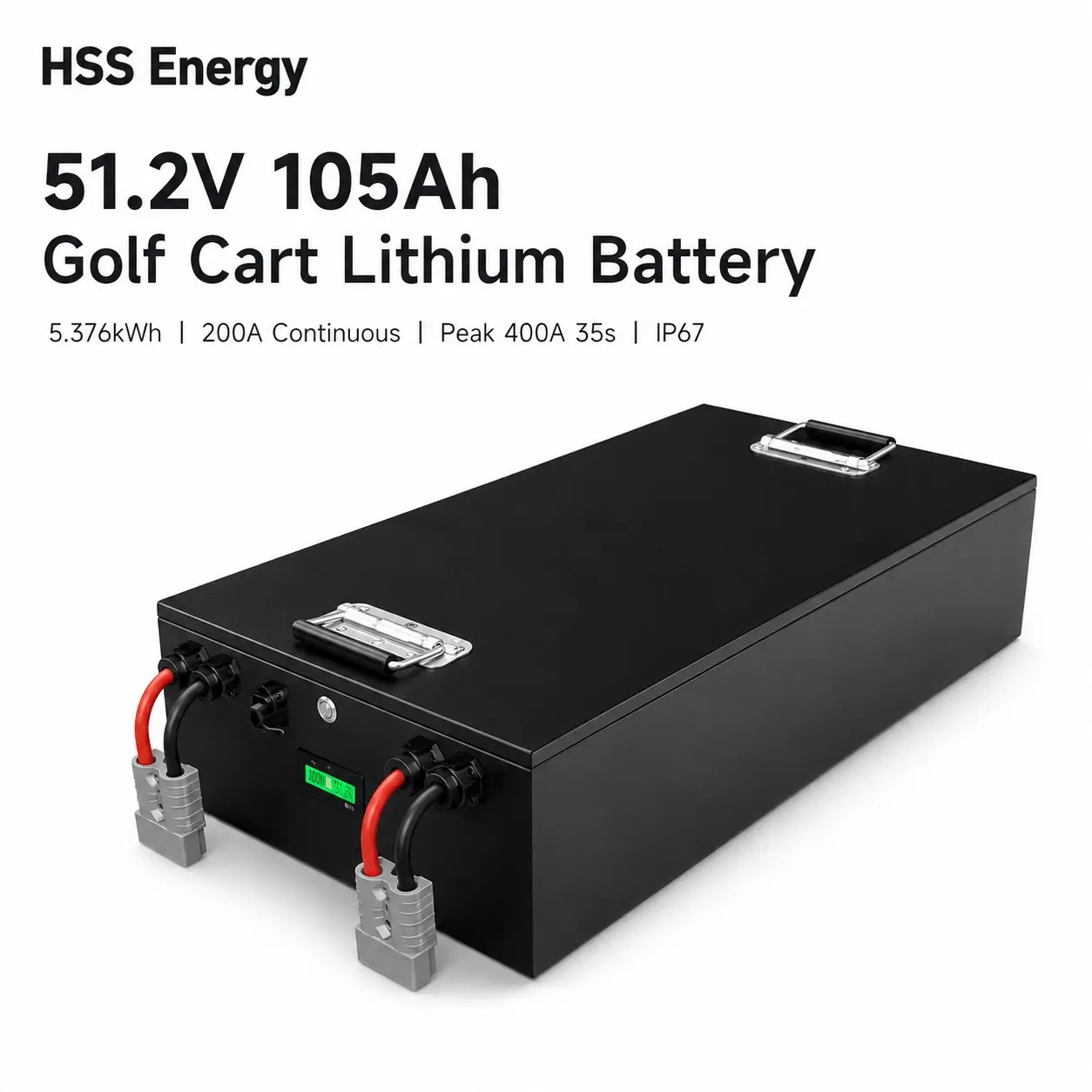
48V 50Ah Golf Cart Lithium Battery — metal housing, portable handles and project-specific interfaces.
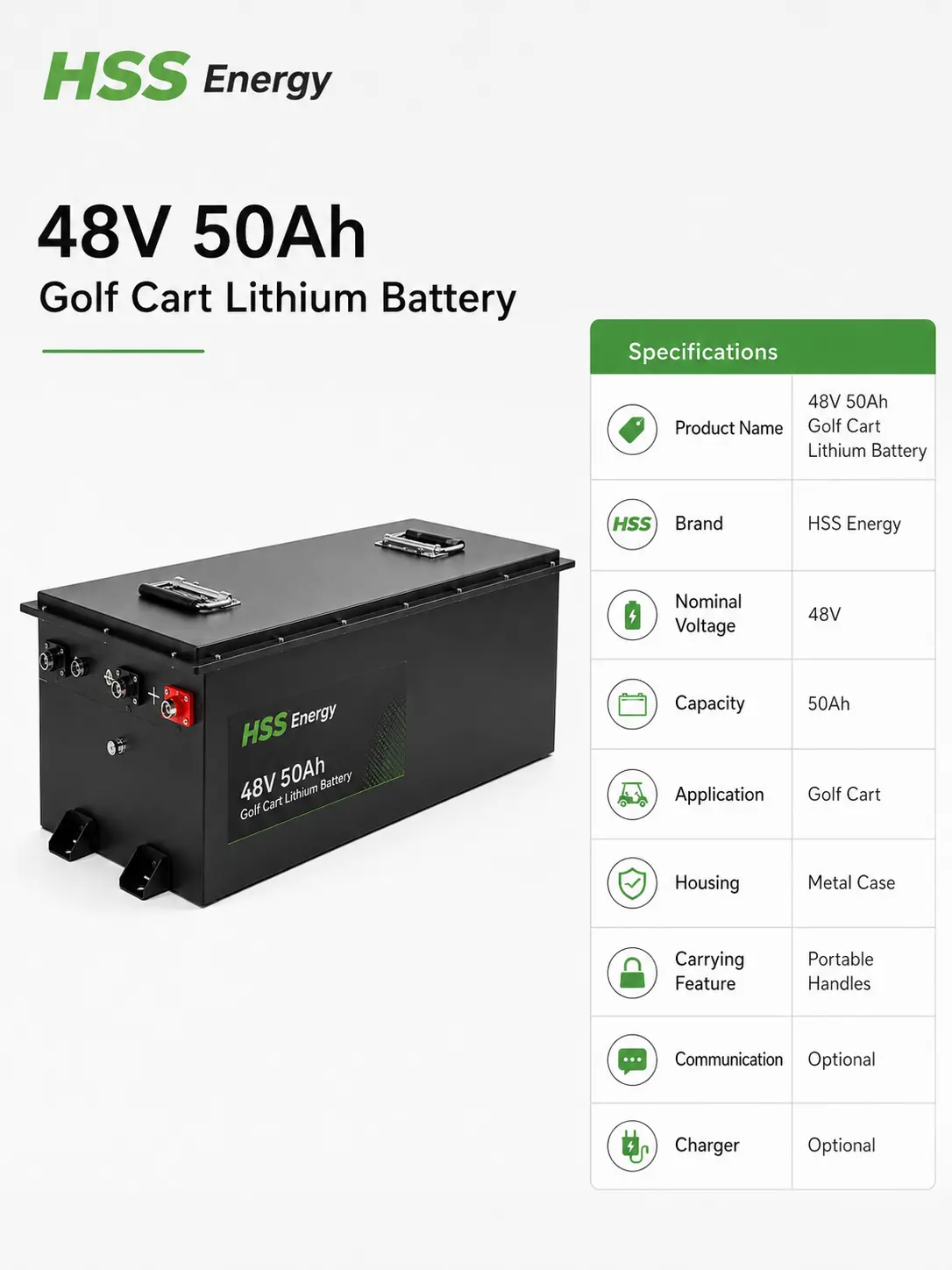
Runtime is only valuable when the cart can still accelerate, climb and return to charge without creating integration problems. HSS Energy positions the 48V 50Ah Golf Cart Lithium Battery as a project-defined power module for golf carts where capacity, controller demand, charger behavior, battery-tray space and after-sales service all need to work together. The 50Ah capacity class keeps the platform relatively compact, while continuous and peak discharge capability are selected from the actual motor and controller rather than copied from a generic BMS label. Optional CAN, RS485 or Bluetooth can support vehicle communication or monitoring when required, and a matching charger or onboard-charger solution can be reviewed at the same time. Final chemistry, BMS current, connector, dimensions and other SKU-specific values are locked in the approved BOM and drawing before production.
|
Item |
Current HSS Project Reference |
|
Product Name |
48V 50Ah Golf Cart Lithium Battery |
|
Brand |
HSS Energy |
|
Market Voltage Class |
48V |
|
Rated Capacity |
50Ah |
|
Battery Chemistry |
Confirm according to final approved project / BOM |
|
Continuous Discharge Current |
Customized according to motor, controller and duty cycle |
|
Peak Discharge Current |
Customized according to acceleration, hill-climbing load and controller demand |
|
Communication |
CAN / RS485 / Bluetooth optional |
|
BMS |
Project-specific configuration with protection and interface requirements confirmed before production |
|
Connector / Terminals |
Customized according to cart wiring and controller interface |
|
Charger |
Matching charger available; onboard-charger integration can be reviewed |
|
Housing / Mechanical Design |
Customized according to battery tray, mounting and service-access requirements |
|
Dimensions |
According to custom requirements / approved project drawing |
|
Application |
Golf carts and suitable low-speed electric vehicle projects after system-level review |
|
OEM / ODM |
Available |
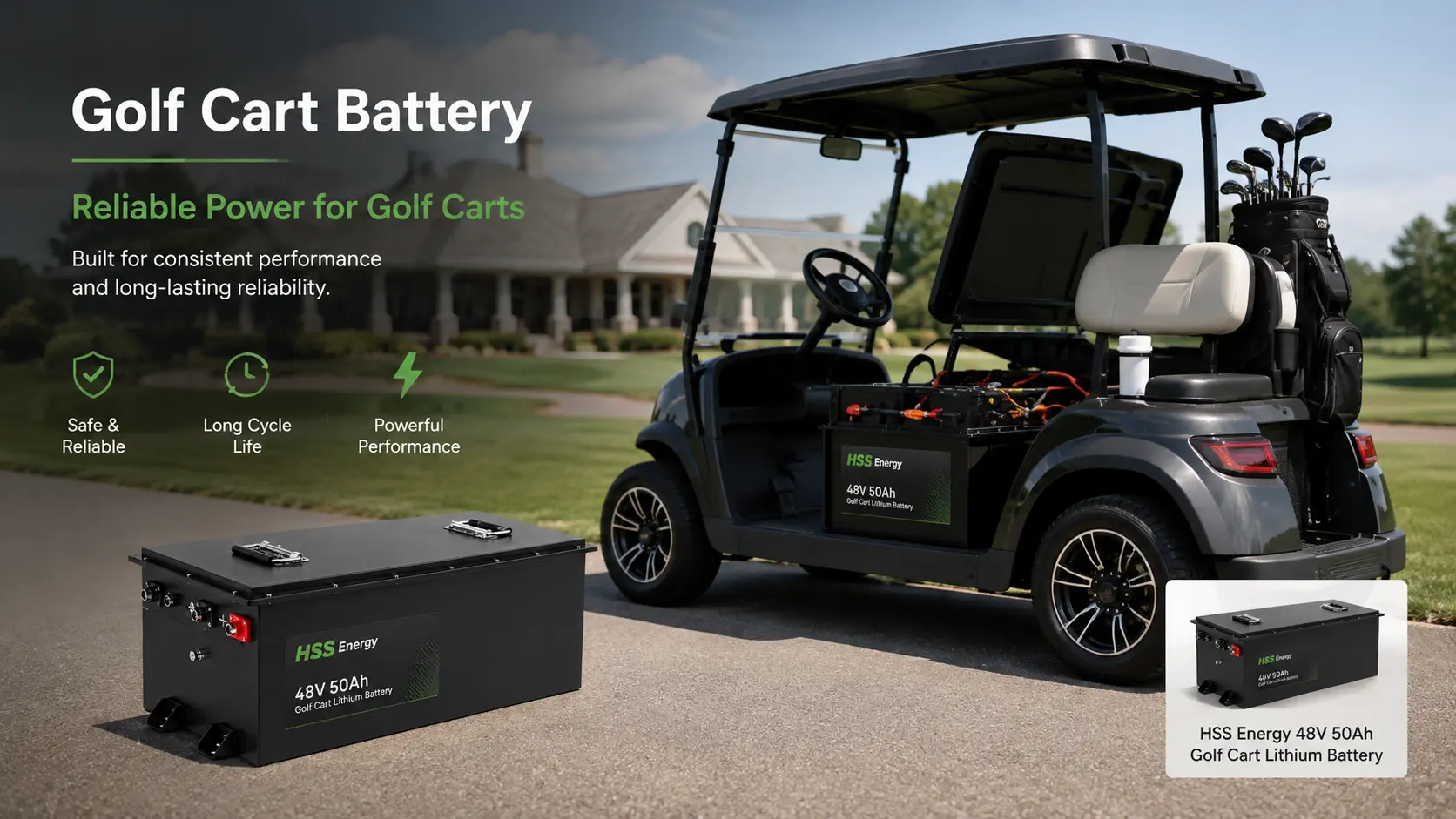
A larger battery can extend driving time, but it also adds cost, volume and mass. For light-duty carts, shorter routes or fleets with predictable charging windows, the customers may get a better system balance from a compact capacity class. In that selection process, a 48V 50Ah golf cart battery gives purchasing and engineering teams a clear reference point: enough capacity to build a useful runtime target while leaving more room for packaging and vehicle balance. The correct decision still comes from route length, payload, average power, slope and charging frequency, so HSS treats 50Ah as an application choice rather than an automatic upgrade for every 48V cart.
Capacity tells the customers how much energy is stored, but it does not tell the whole story about launch performance or climbing under load. Those moments are driven by motor power, controller current, cable and connector capability, BMS limits and the battery's voltage behavior under load. When a project is built around a 50Ah golf cart battery, HSS therefore asks for controller continuous current, peak current and expected terrain before freezing the battery configuration. This prevents a common purchasing mistake: choosing a pack with the right Ah number but insufficient current headroom for acceleration, passenger load or steep grades. The discharge platform can then be sized around the vehicle instead of around a generic catalog claim.
Replacing lead-acid or another battery technology involves more than matching the market voltage printed on the cart. Charger profile, low-voltage behavior, cable layout, tray dimensions, mounting, controller settings and state-of-charge indication may all need review. This is why a 48V lithium golf cart battery should be evaluated as part of the complete cart rather than as a stand-alone box. HSS can use the original battery data, tray drawing, charger label and controller information to define the new pack, helping fleet operators and distributors avoid a replacement that powers the vehicle in a bench test but creates charging, mounting or service problems after installation.
Some golf carts only need a robust power interface, while others benefit from smart communication and battery monitoring. HSS offers CAN, RS485 and Bluetooth as optional directions so the project can be matched to the controller, display or service strategy instead of forcing the same electronics into every battery. For customers comparing a golf cart lithium battery pack, this flexibility matters because communication hardware alone does not guarantee compatibility; the protocol, baud rate, message mapping and required battery data still need confirmation. Bluetooth can support service or user monitoring where appropriate, while CAN or RS485 can be evaluated for system integration when the cart electronics require structured data exchange.
A battery quotation becomes more useful when the charging and power interfaces are confirmed at the same time. HSS can review a matching charger, including onboard-charger requirements where the vehicle design calls for it, together with connector type, polarity, cable size and mounting direction. In a project using a 48V 50Ah lithium golf cart battery, these interface decisions are important because a compact 50Ah pack can still fail the application if the charger window is wrong or the connector is undersized for the controller demand. Freezing the electrical interfaces in the approved drawing makes the sample easier to test and gives production, purchasing and after-sales teams one consistent reference for repeat orders.
Battery length, width and height are only the first layer of fit. A usable golf-cart pack also needs the correct mounting direction, cable exit, connector access, ventilation strategy and service clearance so technicians can install or remove it without stressing the wiring or adjacent components. HSS therefore keeps the enclosure project-specific instead of publishing a single universal size for every 50Ah application. For distributors and fleet operators, this approach improves the commercial value of the battery because the approved sample can become a repeatable replacement reference for the same cart platform, while other vehicle models can be evaluated with their own drawing rather than forced into an unsuitable housing.
|
BMS Current Continuous / peak current matched to controller and motor |
Communication CAN / RS485 / Bluetooth optional |
Connector Type, polarity, cable and position |
|
Charger Matching charger / onboard-charger review |
Housing Dimensions, mounting and service access |
Label / Branding OEM / ODM label and project information |
|
50Ah Is Worth Evaluating When |
Consider a Larger / Different Pack When |
|
The cart has a relatively compact battery tray and moderate runtime target. |
The route requires long uninterrupted driving with limited charging opportunities. |
|
The fleet can use planned or opportunity charging during the day. |
The cart regularly carries heavy loads or runs long routes between charges. |
|
Lower battery mass and cost are important to the project. |
A larger energy reserve is more important than compact packaging. |
|
Controller and motor current can be supported by the approved BMS configuration. |
The required continuous / peak current exceeds the practical 50Ah project configuration. |
|
1 Share Cart Data Voltage class, controller, motor, battery tray, charger |
2 Confirm Battery Plan Capacity, BMS, interfaces, communication, enclosure |
3 Evaluate Sample Fit, charging, acceleration, hill load, monitoring |
4 Freeze Production Approved drawing, BOM, QC points and packing |
· Golf cart brand / model and target market
· Existing battery label or current voltage architecture
· Battery tray drawing or maximum L x W x H
· Motor rated power and controller continuous / peak current
· Expected passengers, payload, terrain and hill-climbing requirement
· Target driving time / distance and available charging windows
· Charger information or onboard-charger requirement
· Connector / terminal details and cable direction
· Communication requirement: CAN, RS485, Bluetooth or none
· Sample quantity, expected bulk quantity and destination country
Importers and distributors need more than a battery that passes a quick bench test; they need a configuration that can be repeated, explained to customers and supported after shipment. By confirming the controller demand, charger, connector, communication and enclosure before production, the project creates a more stable reference for quotations, samples, purchase orders and future replacement batches. This also reduces the risk of selling a battery based only on a familiar voltage-and-capacity label, then discovering that the cart needs a different charge profile, connector orientation or BMS current in the field. The goal is a commercially repeatable SKU, not a one-off assembly.
Is 50Ah enough for every 48V golf cart?
No. Capacity should be selected from route length, average power, payload, terrain, usable SOC and charging opportunities. A larger Ah platform may be better for longer uninterrupted duty cycles.
Can HSS customize the discharge current?
Yes. Continuous and peak current are reviewed according to the motor, controller, cable, connector, BMS and expected duty cycle before the final configuration is approved.
Can CAN, RS485 or Bluetooth be added?
Yes. These interfaces are optional. Protocol-level compatibility still needs to be confirmed for the target controller or display.
Can you supply a matching charger?
Yes. A matching charger can be reviewed, and onboard-charger integration can also be considered when required by the vehicle design.
Are the dimensions fixed?
No. Final enclosure dimensions, mounting and connector position are confirmed from the battery tray and approved project drawing.
Can this replace a lead-acid golf cart battery?
A lithium conversion can be evaluated, but the charger, controller, tray, wiring, connector and electrical architecture should be reviewed rather than assuming drop-in compatibility from the 48V label alone.
Address
A3, 1204-1, 1142 Jimei North Avenue, Software Park Phase III, Xiamen Torch High-tech Zone, Xiamen, China
Tel