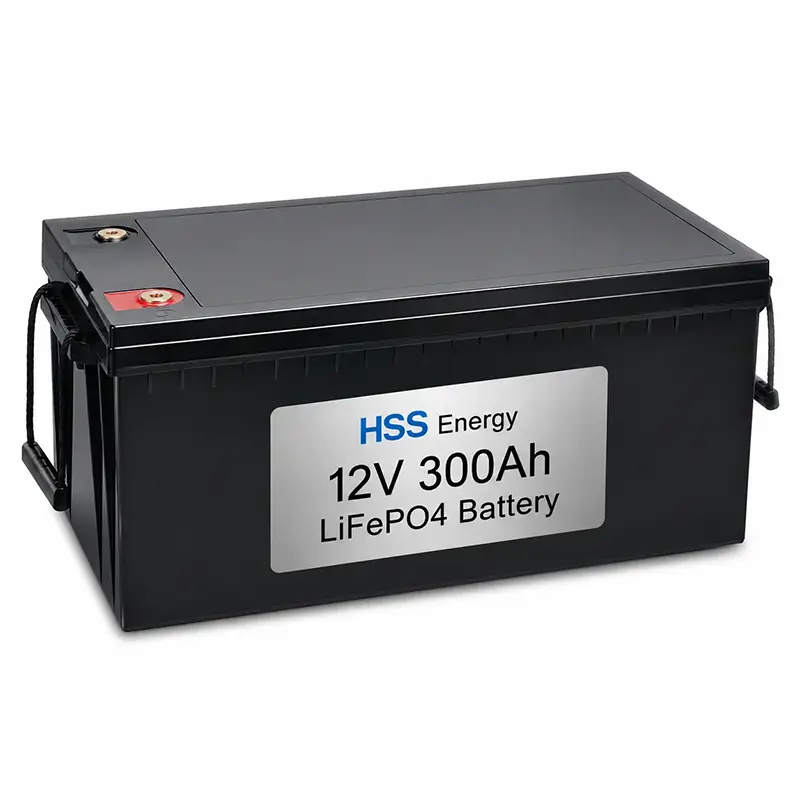
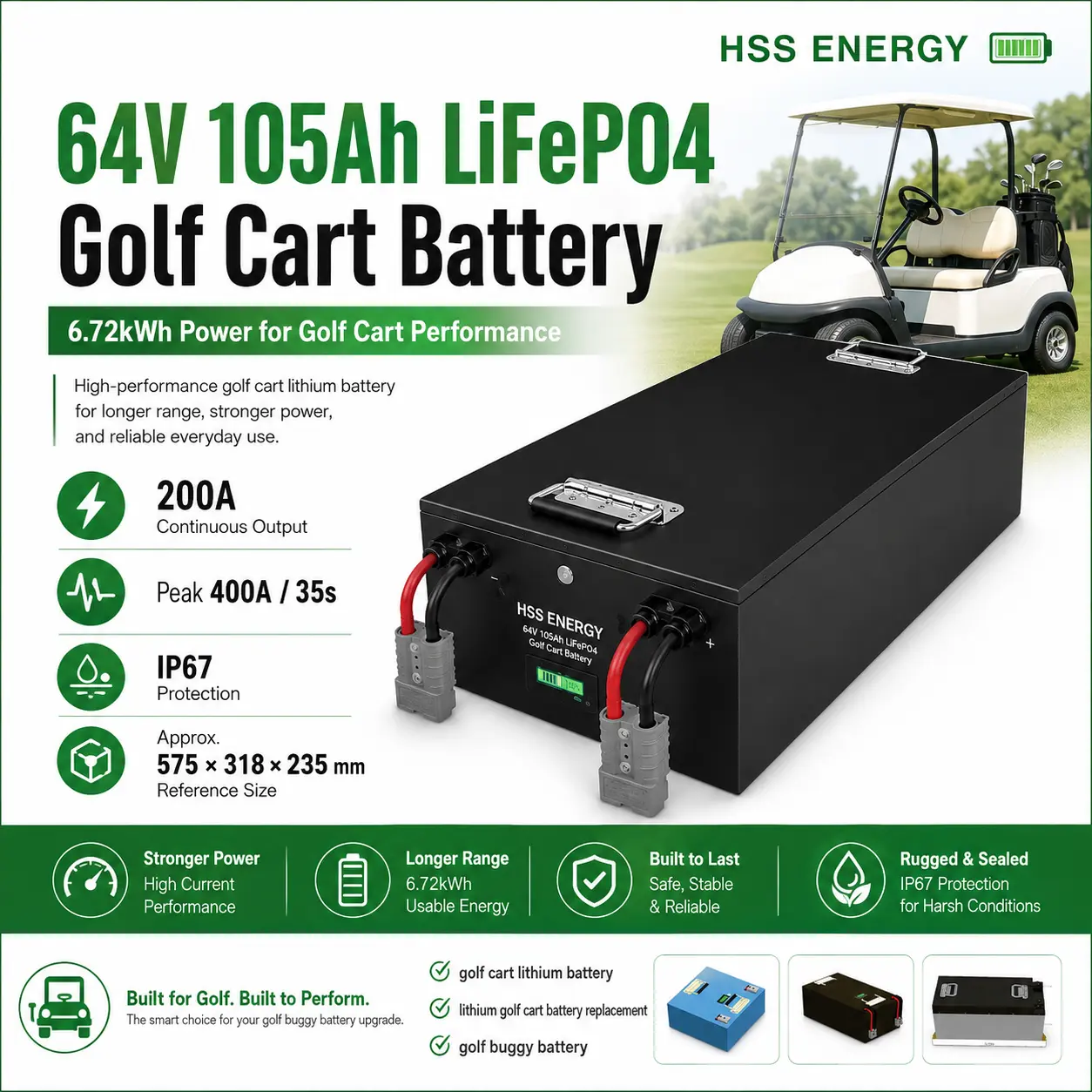
An RV battery should be sized around the whole onboard power system - not just the Ah number on the battery label. Inverter power, charging sources, daily energy use, installation space and required off-grid time all affect the final configuration.
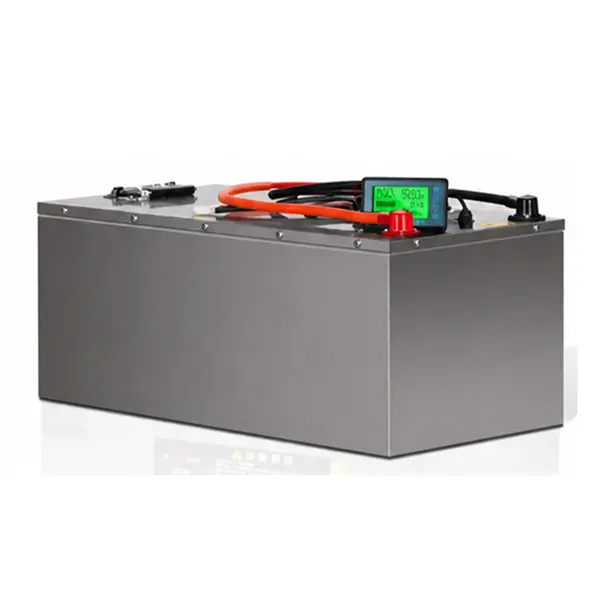
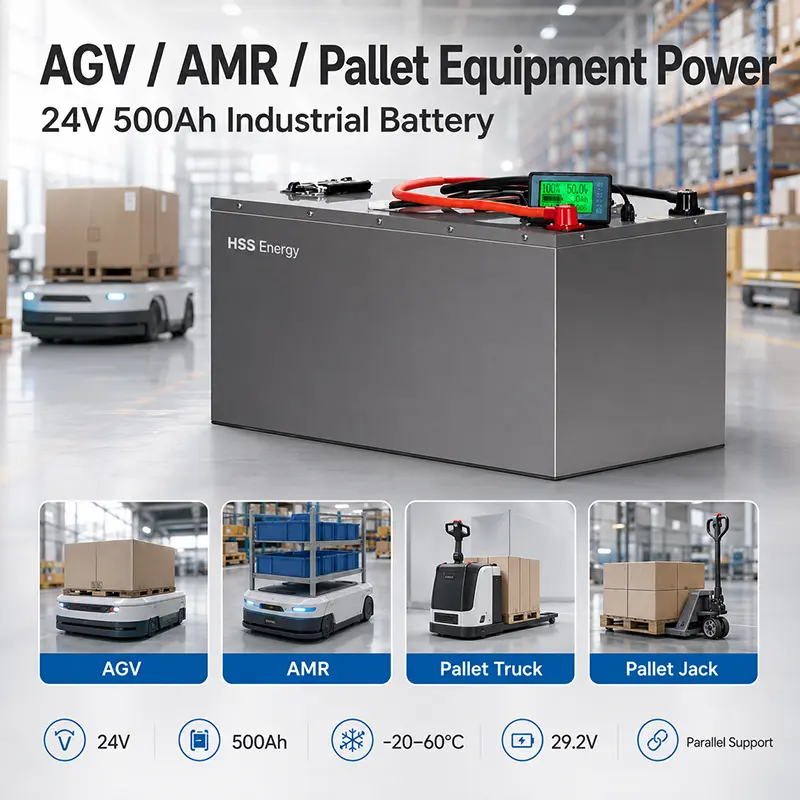
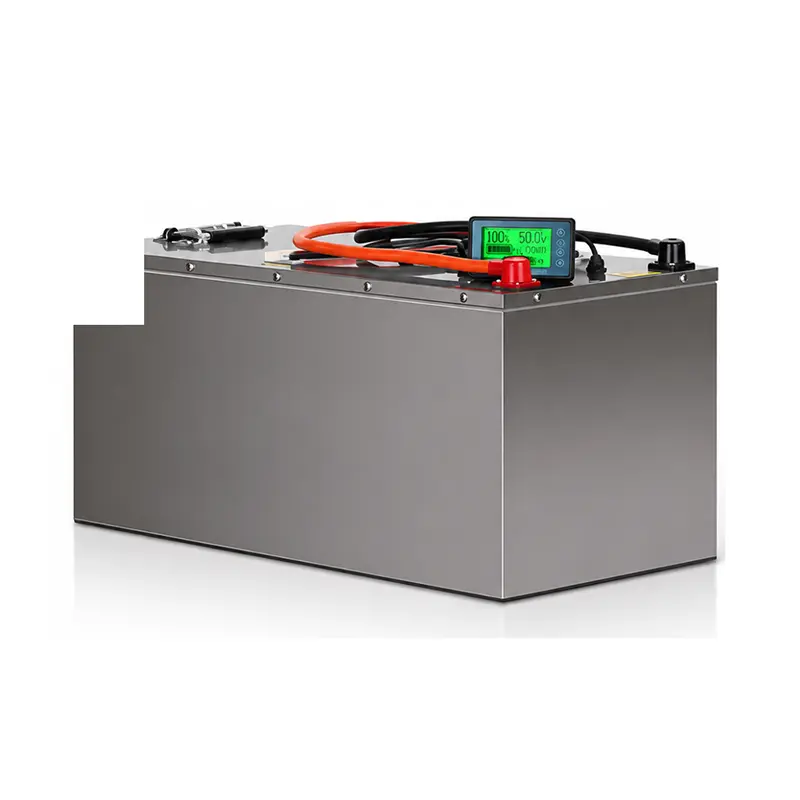
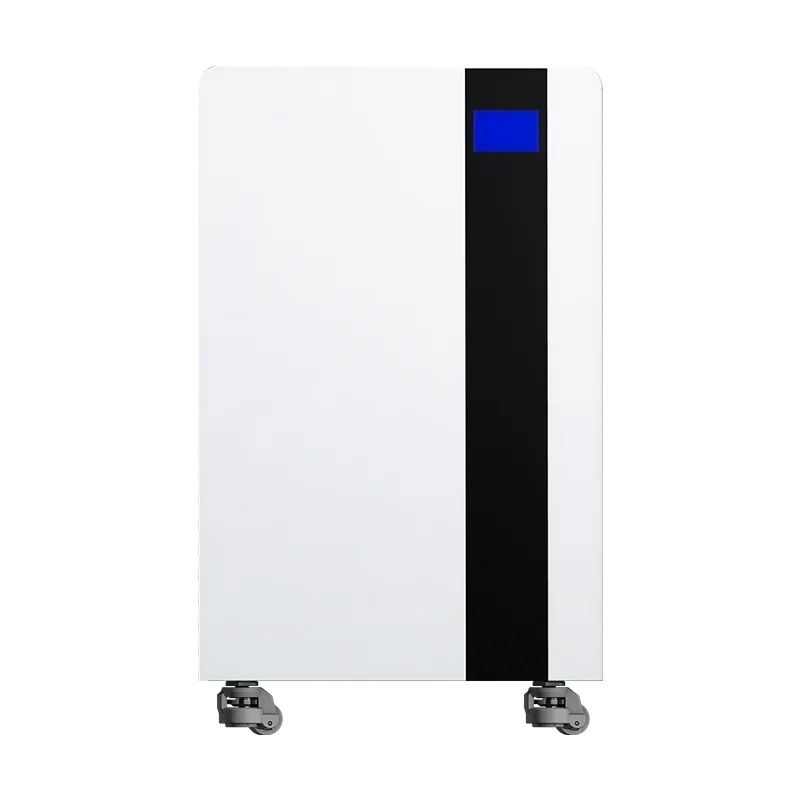
HSS Energy supplies RV lithium batteries for motorhomes, camper vans, caravans and other mobile-living applications. Common voltage platforms cover 12V to 48V, with capacities typically from 100Ah to 1000Ah. LiFePO4 is the mainstream chemistry for this category, while NCM lithium-ion can also be evaluated where energy density, weight or space become stronger design priorities. Our RV Lithium Batteries series includes products such as the 48V 250Ah RV Battery, the 12V 1000Ah RV Battery, and so on.
|
Send Your RV Power System Specs for a Battery Fit Review Voltage • Inverter • Daily Load • Charging Sources • Battery Space • Required Runtime |
|
Platform |
Typical Starting Point |
|
12V |
Conventional RV house systems, lighting, pumps, refrigerators, electronics and moderate inverter loads. |
|
24V |
Higher-power onboard systems where reducing battery-side DC current becomes useful. |
|
48V |
Larger inverter loads and higher-energy mobile power systems where cable current and system architecture need tighter control. |
|
Higher voltage is not automatically better If the RV already uses a well-sized 12V system, moving to 24V or 48V may add unnecessary complexity. The voltage platform should follow inverter power, DC current and the existing vehicle architecture. |
|
An RV house battery may receive energy from several sources, and each one needs to match the selected battery chemistry and voltage range.
· shore power
· alternator or DC-DC charging
· solar panels and MPPT controller
· generator
· inverter/charger
For a lead-acid-to-lithium conversion, the existing charger should not be reused automatically. Equalization, desulfation or other lead-acid charging modes may not be suitable for the new battery. HSS Energy can also provide a matching charger for the approved battery configuration.
Typical RV battery projects range from about 100Ah to 1000Ah, but the largest battery is not always the best choice.
· daily energy consumption
· required off-grid time
· inverter power and maximum DC load
· solar generation and MPPT capacity
· alternator / DC-DC charging capability
· available charging time
· battery compartment dimensions and weight limits
A larger battery bank stores more energy, but it also needs enough charging capacity to recover that energy within the available driving, solar or shore-power window.
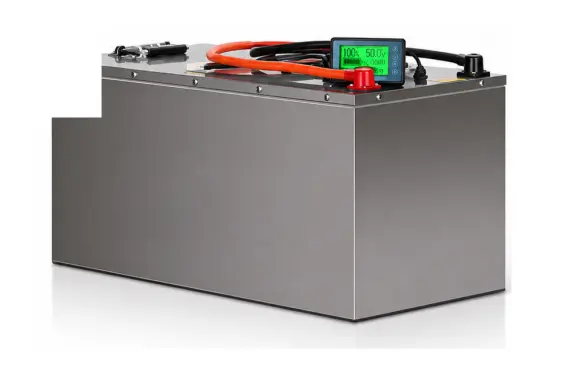
Depending on the approved configuration, RV batteries can support CAN, RS485 and Bluetooth for battery monitoring, inverter integration or vehicle-system requirements.
Terminal and connector arrangements are matched to the actual product and installation. Cable size, polarity, service access and protection should be confirmed together with the expected system current rather than applying one connector standard across the full range.
For most RV house-battery projects, LiFePO4 is the preferred starting point because the application normally prioritizes repeated cycling, thermal stability and long-term energy storage.
NCM can also be considered where reducing battery size or weight becomes a stronger design priority. Chemistry should therefore be selected around the actual vehicle and energy system rather than treated as a marketing choice.
Replacing AGM, GEL or flooded lead-acid batteries with lithium can simplify the battery bank and reduce routine maintenance, but voltage and Ah alone are not enough to approve the conversion.
· existing battery-bank configuration
· shore charger or inverter/charger
· alternator and DC-DC charger
· solar controller
· inverter power
· cable and fuse sizing
· battery compartment
· terminals and connection layout
· low-temperature operating requirements
For multi-battery lead-acid banks, a lithium replacement may also simplify the physical layout, depending on the required capacity and installation space.
1. RV, motorhome or camper model
2. existing battery voltage and capacity
3. required battery capacity or off-grid time
4. inverter power
5. shore charger or inverter/charger information
6. alternator / DC-DC charging details
7. solar controller and PV capacity, if applicable
8. battery compartment dimensions
9. CAN / RS485 / Bluetooth requirements
10. expected order quantity
|
Fastest way to start If available, send a simple electrical diagram or photos of the existing battery bank, charger and installation space. These details make the first battery fit review much faster. |
What voltage platforms are available?
HSS Energy RV battery projects commonly cover 12V to 48V. The final voltage should match the RV electrical architecture, inverter and charging sources.
What capacities are available?
Typical project capacity ranges from approximately 100Ah to 1000Ah, depending on runtime, installation space and charging capability.
Which chemistry is recommended for RV batteries?
LiFePO4 is the mainstream option for RV house-battery applications. NCM can also be evaluated where energy density, weight or space requirements make it more suitable.
Can I keep my existing lead-acid charger?
Not automatically. The charging voltage and operating modes need to be checked before the charger is reused with lithium batteries.
Can you provide a matching charger?
Yes. A suitable charger can be provided for the approved battery configuration.
Does the battery support communication?
CAN, RS485 and Bluetooth are available depending on the ordered configuration and system requirements.