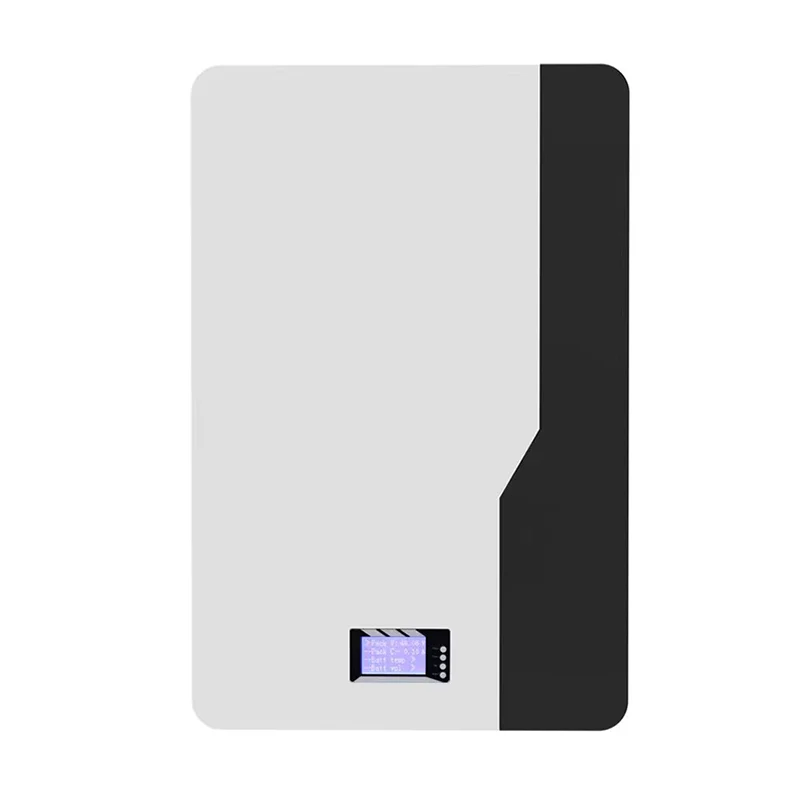
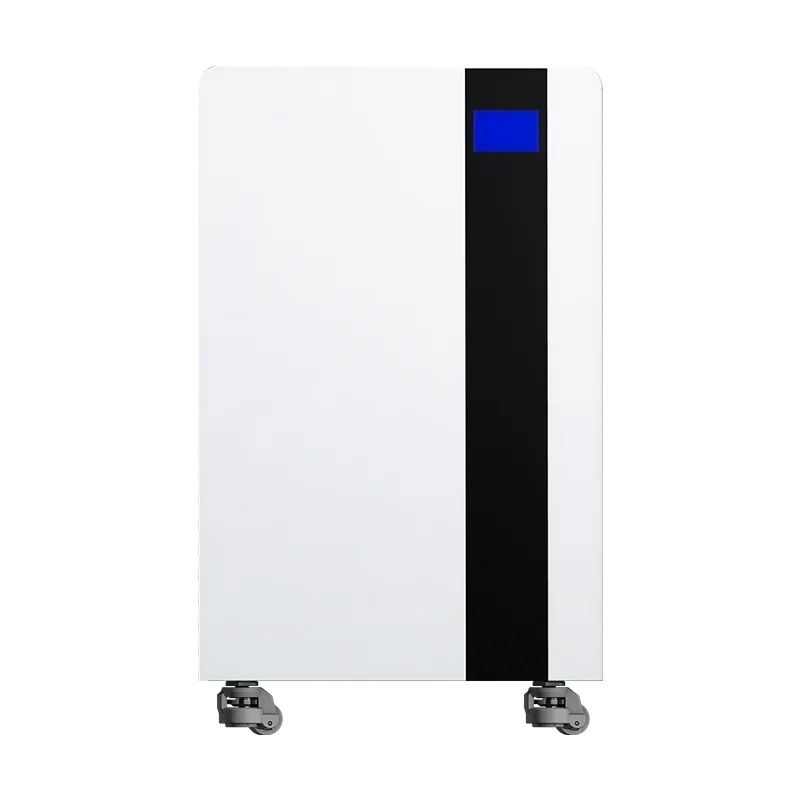
We supply customized lithium‑ion battery packs, LiFePO4 battery packs, residential energy storage batteries, commercial and industrial energy storage batteries, portable power stations, automotive jump starters, and related battery accessories. Product availability is confirmed according to the project specifications.
Which applications can your lithium battery packs support?
Our lithium battery packs can be configured for electric motorcycles, e‑bikes, electric scooters, golf carts, forklifts, AGVs, industrial equipment, medical devices, telecom backup power, outdoor power, solar storage, and other professional applications.
What is the difference between LiFePO4 and other lithium‑ion batteries?
LiFePO4 batteries are commonly selected for applications requiring strong thermal stability, long cycle life, and energy storage performance. Other lithium‑ion chemistries may offer higher energy density for compact or lightweight applications. The best choice depends on the required voltage, size, weight, current, temperature, and cost target.
Can you make 18650 and 21700 battery packs?
Yes. We can develop custom 18650 battery packs and 21700 battery packs using suitable cell models, series‑parallel configurations, BMS protection, connectors, and enclosures. Final design is subject to electrical and mechanical evaluation.
Which voltage platforms are available?
Common platforms include 12V, 24V, 36V, 48V, and 51.2V. Other voltage and capacity combinations can be customized after confirming the equipment requirements and safety parameters.
Do your battery packs include a BMS?
Battery packs can be equipped with a suitable Battery Management System (BMS). Depending on the design, the BMS can provide overcharge, over‑discharge, overcurrent, short‑circuit, temperature protection, cell balancing, and optional communication functions.
Customization
What can be customized in a lithium battery pack?
Subject to technical evaluation, customizable items can include voltage, capacity, cell chemistry, cell format, continuous and peak current, dimensions, enclosure, BMS, connectors, cable length, communication protocol, logo, label, manual, and packaging.
What information is needed for a custom battery pack quotation?
Please provide the application, system voltage, required capacity or runtime, continuous and peak current, installation space, charging method, connector, operating temperature, required certifications, destination market, and drawings or photos if available.
What information is required for an e‑bike or electric scooter battery?
Please provide the motor rated and peak power, controller current, system voltage, target range, battery compartment dimensions, connector and charger specifications, installation method, and photos or drawings of the original battery.
Can you configure batteries for golf carts, forklifts, and AGVs?
Yes. These applications require confirmation of voltage, motor or controller current, peak load, operating hours, installation space, charging method, and communication requirements. We can then recommend a suitable lithium battery or LiFePO4 battery pack configuration.
Energy Storage
Can your energy storage batteries work with solar inverters?
Compatible energy storage batteries can be configured for solar and backup‑power applications. Compatibility depends on battery voltage, charge and discharge current, BMS communication protocol, inverter model, and system architecture. Please provide the inverter datasheet for confirmation.
Can the capacity of an energy storage system be expanded later?
Some battery models support parallel or modular expansion. The maximum module quantity and expansion method depend on the battery design, BMS, inverter, firmware, and installation conditions. The expansion plan should be confirmed before purchase, and batteries of different ages or specifications should not be mixed without approval.
What should be confirmed for residential or commercial energy storage?
Please confirm the load profile, daily energy consumption, backup time, inverter model, solar PV configuration, installation location, grid requirements, ambient temperature, required communication protocol, and local certification requirements. This information is needed to size the battery and confirm system compatibility.
Samples & Orders
Do you provide samples?
Samples are available subject to model availability, technical requirements, and project evaluation. Sample and shipping charges are normally confirmed in advance; any credit against a subsequent bulk order is subject to the agreed quotation or sales terms.
What is your MOQ?
MOQ depends on the battery model, cell type, customization level, certification requirements, and packaging. Please share the target specification and quantity so we can confirm the applicable MOQ and quotation.
How long is the delivery time?
Lead time depends on the battery model, order quantity, material availability, customization, testing requirements, and production schedule. We will provide a confirmed production and shipment plan after the specifications and commercial terms are finalized.
Do you support OEM and ODM?
Yes. OEM and ODM services are available subject to technical feasibility, intellectual‑property authorization, minimum order quantity, and destination‑market requirements. We can support customized logos, labels, packaging, manuals, battery structures, and electrical configurations.
Performance & Use
How is battery capacity and runtime determined?
Runtime depends on usable battery energy, load power, discharge current, conversion efficiency, temperature, and operating conditions. To estimate a suitable capacity, please provide the load power or current and the required operating time; the final result should include an appropriate design margin.
What is the expected cycle life of a lithium battery?
Cycle life varies by cell chemistry, battery model, depth of discharge, charge and discharge rate, temperature, and operating conditions. We can provide the rated test conditions and capacity‑retention criteria for the selected model. Proper charging and temperature control help extend service life.
Can lithium batteries operate in low‑temperature environments?
Low‑temperature performance depends on cell chemistry, pack design, discharge current, and charging conditions. Discharging may be possible within the approved operating range, while charging at low temperature may require temperature control or a heating function. Please provide the minimum ambient temperature for evaluation.
How should lithium batteries be stored and maintained?
Store batteries in a dry, ventilated location away from heat, direct sunlight, water, and flammable materials. For long‑term storage, maintain the state of charge specified in the product manual and inspect or recharge periodically. Do not use incompatible chargers, puncture the battery, or disassemble it without authorization.
Can I use any charger with a lithium battery?
No. The charger must match the battery chemistry, nominal voltage, charging voltage, current limit, connector, and any BMS requirements. Using an incompatible charger can affect performance, shorten service life, or create a safety risk. Please use the specified or approved charger.
Can different lithium batteries be connected in parallel or series?
Do not connect batteries of different chemistries, voltages, capacities, ages, or states of charge without engineering approval. Series and parallel connections must be designed for the specific battery model and BMS. Please confirm the connection plan with our technical team before installation.
Certification & Shipping
Which certificates and documents are available for lithium batteries?
Available certificates and documents depend on the model and destination market. Depending on the product, relevant support may include CE, KC, CB, UL, PSE, RoHS, UN38.3 test documentation, MSDS, and applicable transport documents. Please confirm requirements before ordering.
Does every battery model have the same certification?
No. Certifications are product‑ and market‑specific. A certificate for one model, configuration, or cell selection may not automatically apply to another. Please provide the exact model, battery specification, destination country, and required standard for verification.
Can lithium batteries be shipped by air or sea?
Shipping methods depend on battery type, capacity, state of charge, packaging, destination, and the carrier’s current requirements. Lithium batteries must be transported in compliant packaging with the required documents. Please confirm the destination and transport method before booking.
Quality & Manufacturing
Which battery cell brands can be used in your battery packs?
Cell selection is based on the application, performance target, availability, and budget. Where appropriate, we can source suitable cells from established brands such as EVE, Gotion, Cornex, Lishen, and DMEGC, subject to the confirmed project specification and supply availability.
What quality tests are performed on battery packs?
Test items are determined by the product design and customer requirements. Typical checks may include cell sorting, voltage and internal‑resistance inspection, welding inspection, BMS functional testing, capacity testing, charge‑discharge testing, aging testing, insulation testing, and final visual inspection.
Can you support factory audits or inspections?
Factory visits, production inspections, and pre‑shipment inspections can be discussed by appointment. The audit scope, confidentiality requirements, inspection standard, and schedule should be confirmed in advance.
After‑sales & Safety
What should I do if a battery becomes hot, swollen, damaged, or emits an odor?
Stop using and charging the battery immediately. Disconnect it only if this can be done safely, keep people away from the area, and do not puncture, compress, open, or continue operating the pack. Follow local emergency procedures and contact our technical team with the model, serial number, photos, and incident details.
What after‑sales support do you provide?
We provide product documentation, remote technical guidance, troubleshooting support, and warranty handling in accordance with the agreed product and sales terms. For an effective assessment, please provide the model, serial number, order information, application conditions, photos or videos, and fault description.
We use cookies to offer you a better browsing experience, analyze site traffic and personalize content. By using this site, you agree to our use of cookies. Privacy Policy