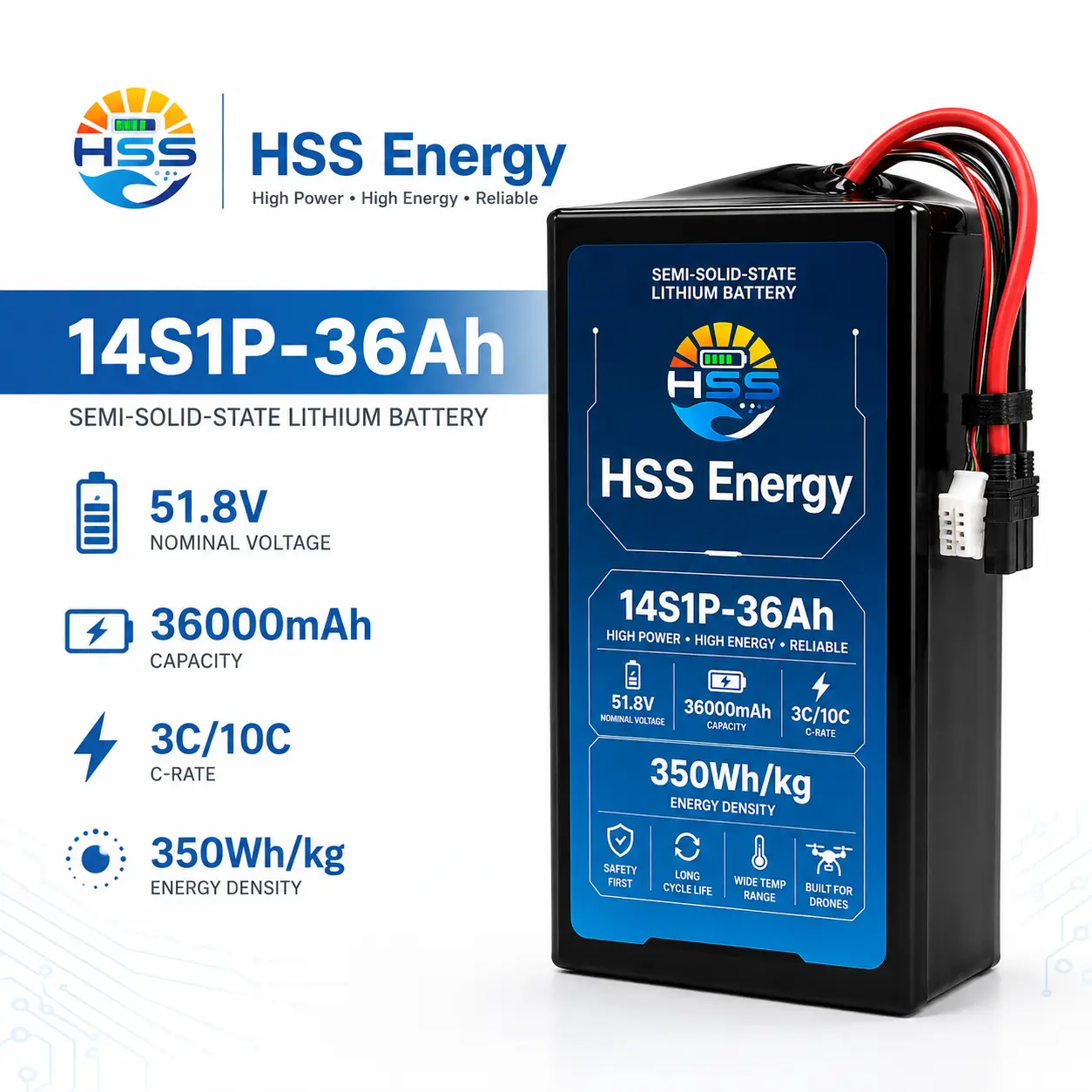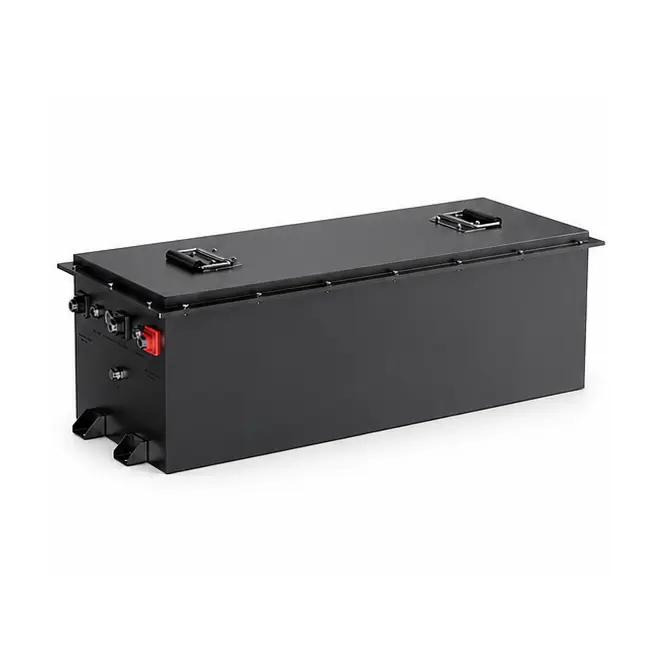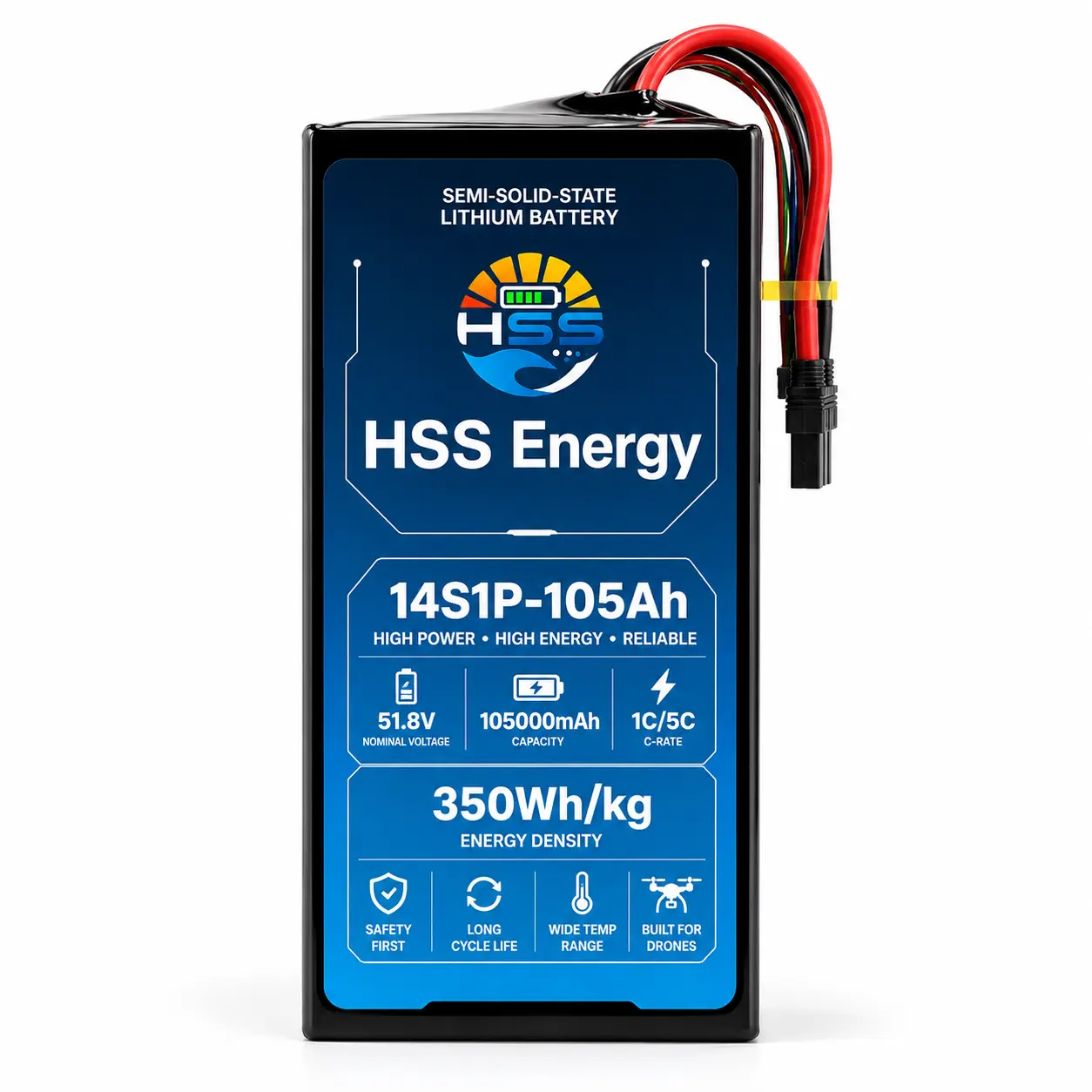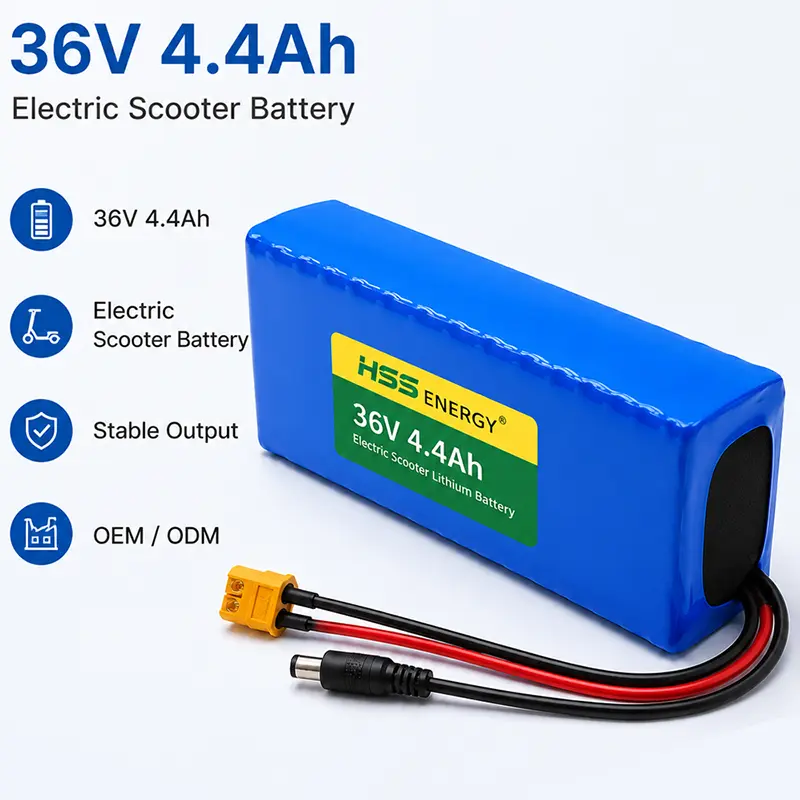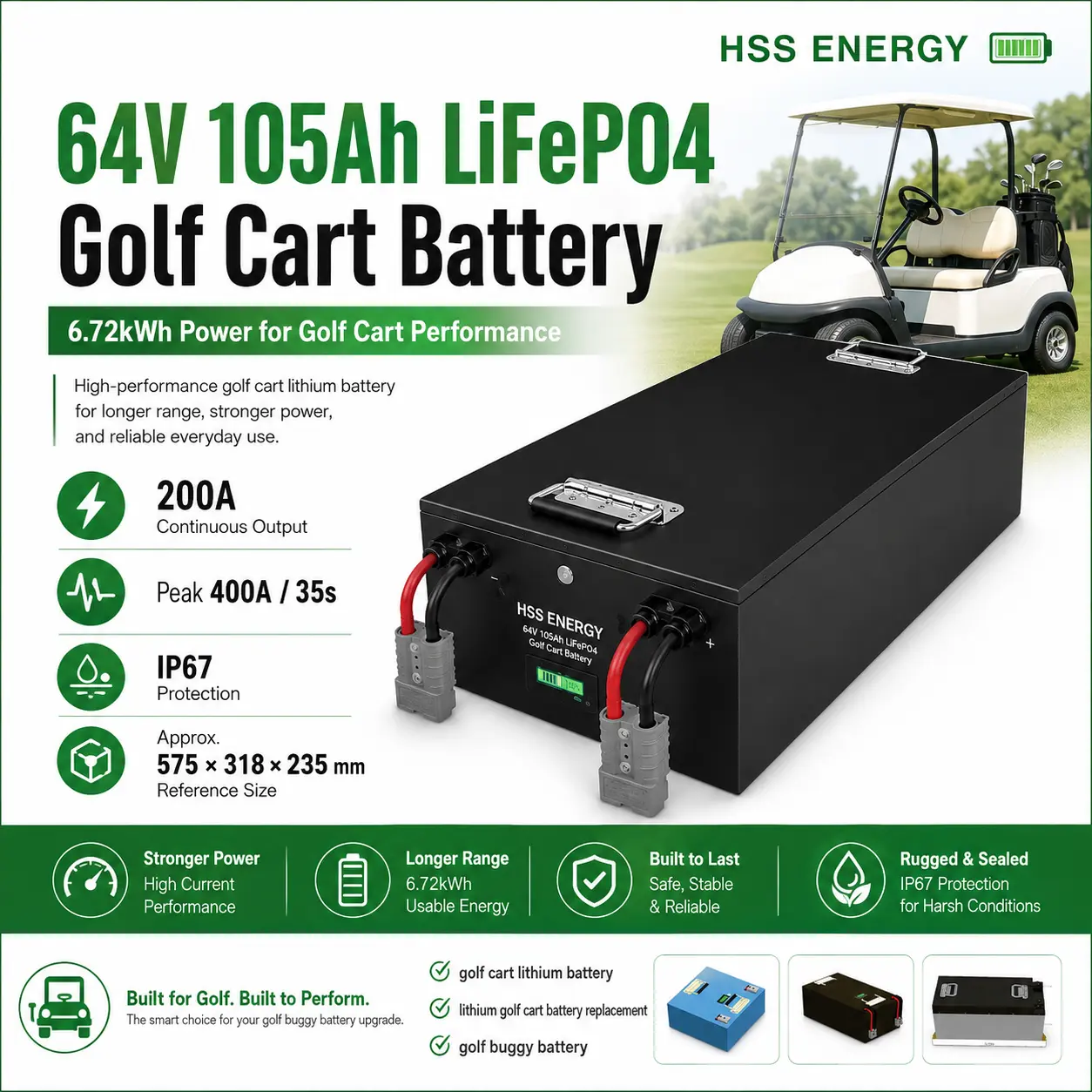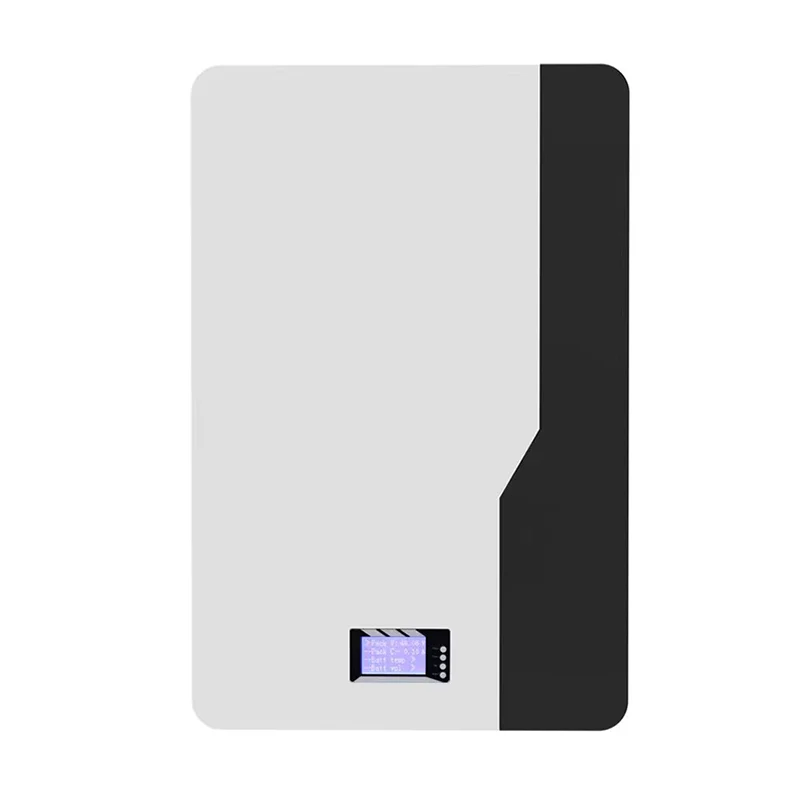
Golf cart lithium batteries have become an increasingly practical power solution for modern golf carts, utility vehicles, resort transportation, neighborhood electric vehicles, and other low-speed electric platforms. Compared with conventional lead-acid battery systems, lithium technology can provide a lighter battery pack, more consistent power delivery, simplified maintenance, and a more flexible installation experience.
This guide explains the basic structure of golf cart lithium batteries, the advantages that matter in real-world operation, battery selection factors, charging considerations, installation requirements, maintenance practices, and common questions buyers should understand before making a purchasing decision.
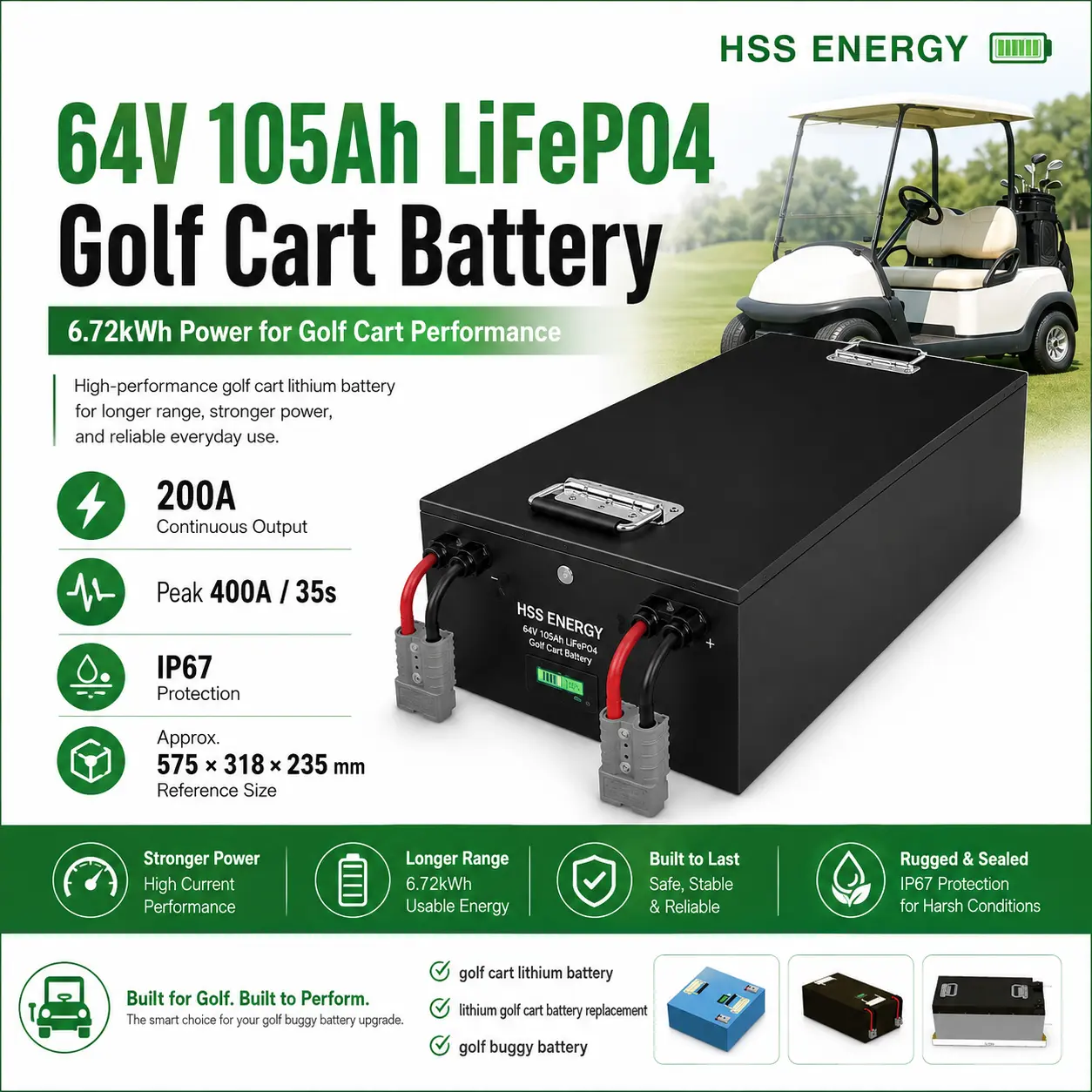
- What Are Golf Cart Lithium Batteries?
- Why Lithium Batteries Are Used in Golf Carts
- Key Advantages in Daily Operation
- Battery Chemistry and Pack Design
- How Voltage and Capacity Affect Performance
- How to Select the Right Battery
- Charging and Operating Considerations
- Installation and Compatibility
- Maintenance and Service Practices
- Lithium vs. Lead-Acid Batteries
- Golf Cart Lithium Battery Buyer Checklist
- Frequently Asked Questions
- Final Considerations
1. What Are Golf Cart Lithium Batteries?
Golf cart lithium batteries are rechargeable battery packs designed to provide electrical energy for golf carts and similar electric vehicles. Instead of relying on traditional lead plates and liquid or absorbed electrolytes, lithium battery systems use lithium-based cells combined into modules and controlled by electronic protection systems.
A complete battery pack normally includes several important components: battery cells, busbars or interconnections, protective circuitry, a battery management system (BMS), housing, terminals, wiring, and communication interfaces where required. The BMS monitors important operating conditions and can help protect the pack from situations such as excessive current, abnormal voltage, temperature problems, and cell imbalance.
For golf cart applications, the battery is more than an energy-storage component. It directly influences vehicle range, acceleration, carrying capability, charging time, weight distribution, and operating consistency. This is why choosing a battery based only on nominal voltage or advertised capacity can lead to disappointing results.
Key point: A properly matched lithium battery should be evaluated as part of the entire golf cart power system, including the motor, controller, charger, wiring, vehicle weight, terrain, and expected duty cycle.
2. Why Lithium Batteries Are Used in Golf Carts
Golf carts are often used for repeated short-distance transportation rather than occasional driving. They may operate on golf courses, residential communities, resorts, campuses, warehouses, farms, and industrial facilities. These environments place different demands on a battery system.
Traditional lead-acid batteries remain widely used, but their weight, maintenance requirements, charging characteristics, and voltage behavior can make them less attractive for some modern applications. Lithium battery technology offers an alternative that focuses on energy efficiency, lower system weight, and easier day-to-day operation.
Another important consideration is consistent power delivery. As a battery discharges, the available voltage can influence the performance of the motor and controller. A well-designed lithium battery system can maintain a relatively stable operating profile through much of its usable discharge range, helping the vehicle deliver more predictable performance.
3. Key Advantages in Daily Operation
Lower Battery Weight
One of the most noticeable differences between lithium and lead-acid systems is weight. A lighter battery pack can reduce the overall vehicle mass and may improve handling, efficiency, and usable payload depending on the golf cart design.
More Consistent Power
Lithium battery systems can provide stable electrical performance across a useful portion of the discharge cycle. This can be particularly beneficial when a golf cart regularly encounters hills, heavy loads, grass, uneven surfaces, or repeated stop-and-go operation.
Reduced Routine Maintenance
Many lithium battery systems do not require the routine electrolyte watering associated with flooded lead-acid batteries. This can reduce the amount of regular battery maintenance required by fleet operators and individual users.
Efficient Use of Available Capacity
Battery capacity should not be considered only as a number printed on the label. The usable energy available during normal operation depends on the battery management strategy, discharge limits, temperature, load, and system design. A properly engineered lithium pack can make efficient use of its rated capacity while maintaining appropriate operating limits.
Flexible Installation
Lithium packs can be designed in different physical configurations. This gives manufacturers and system integrators more flexibility when replacing older battery systems or developing new golf cart platforms.
4. Battery Chemistry and Pack Design
Not all lithium batteries are identical. Different lithium chemistries provide different combinations of energy density, power capability, thermal behavior, cycle performance, cost, and application suitability.
For golf cart applications, lithium iron phosphate, commonly known as LiFePO4 or LFP, is an important chemistry because it offers a useful balance between safety characteristics, cycle performance, power capability, and practical operating requirements.
| Battery Factor | Why It Matters for Golf Carts |
|---|---|
| Cell chemistry | Influences safety characteristics, energy density, voltage profile, service life, and operating temperature range. |
| Battery capacity | Determines the amount of stored energy available for driving and affects practical range. |
| Continuous discharge current | Determines whether the battery can comfortably support the vehicle's normal power demand. |
| Peak discharge capability | Important for acceleration, hill climbing, starting loads, and temporary high-power demands. |
| BMS design | Provides monitoring and protection functions for voltage, current, temperature, and cell conditions. |
| Battery enclosure | Protects internal components against vibration, impact, moisture, dust, and environmental exposure. |
A good battery design therefore requires more than selecting high-capacity cells. Cell quality, pack construction, BMS programming, thermal management, electrical protection, and manufacturing consistency all contribute to the finished product.
5. How Voltage and Capacity Affect Performance
Voltage must match the requirements of the golf cart's electrical system. Common golf cart platforms use different system voltages, so the replacement battery should never be selected by appearance alone.
Capacity is normally expressed in ampere-hours (Ah), while energy can be estimated using voltage multiplied by ampere-hours. For example, a battery rated at 51.2 V and 100 Ah has a nominal energy value of approximately 5.12 kWh before considering real-world operating limitations.
However, actual driving range cannot be calculated from battery capacity alone. Terrain, vehicle weight, passenger load, tire pressure, driving speed, motor efficiency, controller settings, temperature, and acceleration habits can all influence energy consumption.
Practical approach: Start with the golf cart's required system voltage, then determine the expected power demand and daily energy consumption before choosing battery capacity.
6. How to Select the Right Golf Cart Lithium Battery
Battery selection should begin with the vehicle rather than the battery advertisement. The following factors should be reviewed before purchasing.
- Confirm system voltage. Check the original battery configuration, controller requirements, charger specifications, and vehicle documentation.
- Determine the required capacity. Consider daily mileage, operating hours, passenger load, terrain, and expected reserve capacity.
- Check discharge requirements. A battery with sufficient Ah capacity may still be unsuitable if its continuous or peak current capability is too low.
- Verify charger compatibility. Lithium batteries generally require charging parameters appropriate for their chemistry and pack voltage.
- Evaluate the BMS. Ask about protection functions, temperature monitoring, balancing, current limits, and communication compatibility.
- Check physical dimensions. Confirm that the pack can be securely installed in the available battery compartment.
- Consider environmental conditions. Golf carts may operate outdoors in high humidity, heat, cold, dust, or frequent vibration.
- Review warranty and technical support. A clear warranty and accessible technical support can be especially important for fleet applications.
For Fleet Buyers
Golf courses, resorts, rental operators, campuses, and commercial facilities should also consider fleet-level requirements. Standardized battery models can simplify installation, charging management, spare-parts planning, technician training, and long-term maintenance.
7. Charging and Operating Considerations
Charging is an important part of lithium battery performance. The charger should be compatible with the battery chemistry, nominal voltage, charging voltage, current requirements, and BMS strategy.
Using an incompatible charger can cause improper charging behavior and may create unnecessary stress on the battery system. For this reason, the charger and battery should be treated as a matched system rather than independent components.
Safety reminder: Always follow the battery manufacturer's charging instructions. Do not bypass the BMS, modify protection circuits, or use an unsuitable charger simply because the connector physically fits.
Temperature is another important consideration. Battery charging behavior should remain within the operating limits specified for the particular cells and battery pack. High temperatures, damaged wiring, abnormal swelling, unusual odors, or other visible signs of damage should be treated seriously.
For long periods of inactivity, users should follow the manufacturer's recommended storage state of charge and storage temperature rather than leaving the battery indefinitely at either an extreme state of charge.
8. Installation and Compatibility
Replacing lead-acid batteries with lithium batteries is not always a simple matter of removing one battery set and installing another. The electrical characteristics of the new system should be compatible with the golf cart's controller, motor, charger, wiring, display, and accessories.
Installation should also account for battery mounting. The pack must be secured against vibration and movement during acceleration, braking, and operation over uneven terrain.
Terminals and cables should be appropriately sized and properly tightened. Poor electrical connections can create resistance, heat, voltage drop, and reliability problems.
Important Compatibility Checks
| Component | What to Check |
|---|---|
| Motor controller | Voltage range, current demand, communication requirements, and compatibility with lithium battery output. |
| Charger | Charging voltage, charging current, connector, charging profile, and communication compatibility. |
| DC-DC converter | Input voltage range and output requirements for lights, displays, USB ports, and accessories. |
| Cables and terminals | Current capacity, insulation, terminal size, routing, and secure connections. |
| Battery compartment | Dimensions, mounting points, ventilation considerations, and environmental protection. |
9. Maintenance and Service Practices
Lithium batteries can reduce routine maintenance compared with traditional flooded lead-acid systems, but they are not completely maintenance-free.
- Keep the battery compartment clean and dry.
- Inspect cables and terminals periodically.
- Check for loose mounting hardware or physical damage.
- Monitor unusual temperature, smell, noise, or performance changes.
- Keep charging equipment in good condition.
- Follow the manufacturer's recommended inspection schedule.
- Do not open or modify the battery pack unless authorized and properly qualified.
For commercial fleets, recording battery operating history can also help identify abnormal behavior early. Sudden range reduction, repeated protection shutdowns, or significant changes in charging behavior may indicate that the system needs professional inspection.
10. Lithium vs. Lead-Acid Batteries
| Feature | Lithium Battery | Lead-Acid Battery |
|---|---|---|
| Weight | Generally lighter for comparable applications | Generally heavier |
| Routine maintenance | Typically lower routine maintenance | Some types require regular watering and inspection |
| Power consistency | Generally stable across a useful operating range | Voltage may decline more noticeably as the battery discharges |
| Charging system | Requires a compatible lithium charging profile | Uses charging equipment designed for lead-acid chemistry |
| Installation flexibility | Can offer compact pack configurations | Often constrained by traditional battery layouts |
| Initial purchase cost | Usually higher | Usually lower |
| Long-term evaluation | Should consider cycle life, maintenance, efficiency, and total operating cost | Should consider replacement frequency, maintenance, and charging requirements |
The lowest initial purchase price is therefore not necessarily the lowest total cost of ownership. Buyers should consider the complete operating period, including maintenance, energy use, replacement requirements, downtime, and labor.
11. Golf Cart Lithium Battery Buyer Checklist
Before placing an order, buyers can use this checklist to reduce compatibility and performance risks:
- Confirm the golf cart manufacturer and model.
- Confirm the existing battery system voltage.
- Determine the expected daily operating distance.
- Estimate the normal passenger and cargo load.
- Consider hills, grass, rough terrain, and other demanding conditions.
- Confirm battery dimensions and mounting requirements.
- Verify continuous and peak discharge capability.
- Check BMS protection and monitoring functions.
- Confirm charger compatibility.
- Review operating and storage temperature specifications.
- Ask about warranty coverage and technical support.
- For commercial projects, confirm batch consistency and after-sales service capability.
For customized applications, it is also useful to discuss the intended vehicle, operating environment, power requirements, installation space, and usage pattern with the battery manufacturer before finalizing the battery specification.
12. Frequently Asked Questions
They can be a better fit for users who prioritize lower weight, reduced routine maintenance, consistent power delivery, and long-term operating efficiency. However, the best choice depends on vehicle compatibility, budget, usage pattern, and operating conditions.
In many applications, yes, but the replacement should be properly matched to the golf cart's voltage, controller, charger, wiring, battery compartment, and power requirements. A direct physical fit does not automatically guarantee electrical compatibility.
Service life varies according to cell chemistry, battery design, depth of discharge, charging conditions, temperature, current demand, storage conditions, and maintenance. Buyers should review the manufacturer's tested cycle-life conditions rather than relying on a single universal lifespan figure.
Typical lithium battery packs do not require the electrolyte watering associated with flooded lead-acid batteries. They still require appropriate inspection of the pack, wiring, terminals, mounting system, and charging equipment.
Not necessarily. The charger must be compatible with the lithium battery chemistry, voltage, charging profile, and battery management system. Confirm compatibility with the battery manufacturer before use.
The battery management system monitors and controls important battery conditions. Depending on the design, it may provide protection against overvoltage, undervoltage, excessive current, abnormal temperature, and cell imbalance while also providing battery status information.
Yes. Lithium systems can be particularly useful for fleets where reduced maintenance, predictable operation, weight reduction, and standardized battery management are valuable. Fleet operators should evaluate the battery, charger, vehicle platform, warranty, and service support as one system.
Depending on the manufacturer, customization may include battery dimensions, voltage, capacity, discharge performance, communication functions, terminals, housing configuration, and other application-specific requirements. Customization should be based on the actual golf cart platform and operating conditions.
13. Final Considerations
Choosing the right golf cart lithium batteries is ultimately about matching energy storage with the complete vehicle system. Voltage, capacity, discharge current, BMS protection, charger compatibility, physical dimensions, operating environment, and expected duty cycle all influence the final result.
For buyers replacing traditional batteries, the transition to lithium technology can offer meaningful improvements in weight, maintenance, power consistency, and system flexibility. However, reliable performance depends on using quality cells, appropriate protection systems, compatible charging equipment, and a battery design suited to the application.
Xiamen HSS Energy Technology Co., Ltd. can support customers looking for lithium battery solutions for golf carts and other electric mobility applications. By evaluating vehicle specifications, energy requirements, installation space, operating conditions, and expected usage, a more appropriate battery configuration can be developed for the actual application rather than relying on a one-size-fits-all specification.
Build a More Reliable Golf Cart Power Solution
Whether you are replacing an existing battery system, developing a new golf cart platform, or sourcing batteries for a commercial fleet, the right battery specification can make a significant difference in everyday performance and long-term operating costs.
Looking for a suitable golf cart lithium battery solution? Share your golf cart model, system voltage, required capacity, dimensions, and application requirements with Xiamen HSS Energy Technology Co., Ltd. for professional battery recommendations and customized solutions. Contact us to discuss your project requirements.