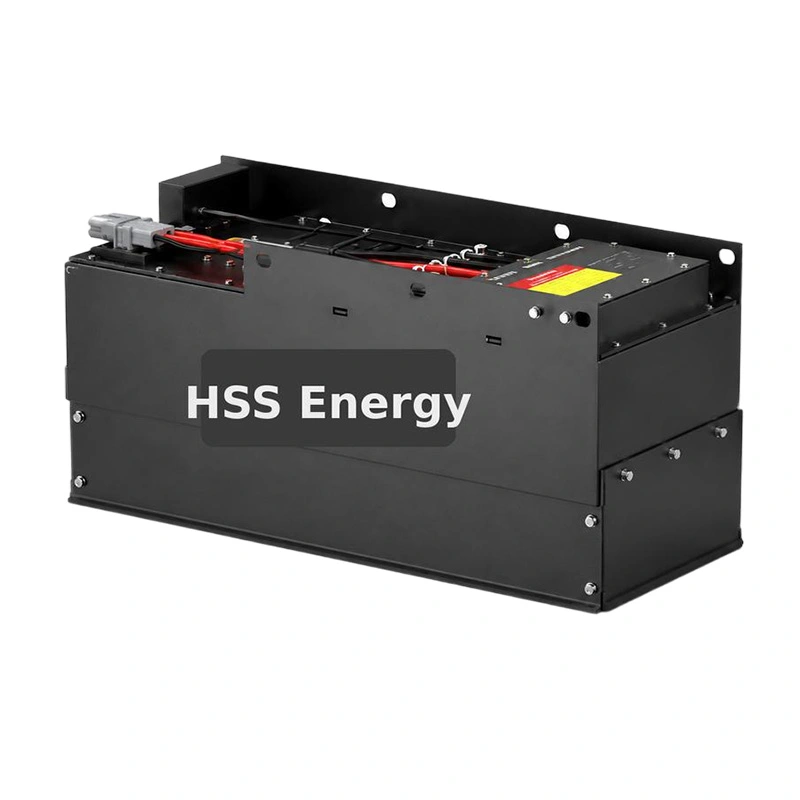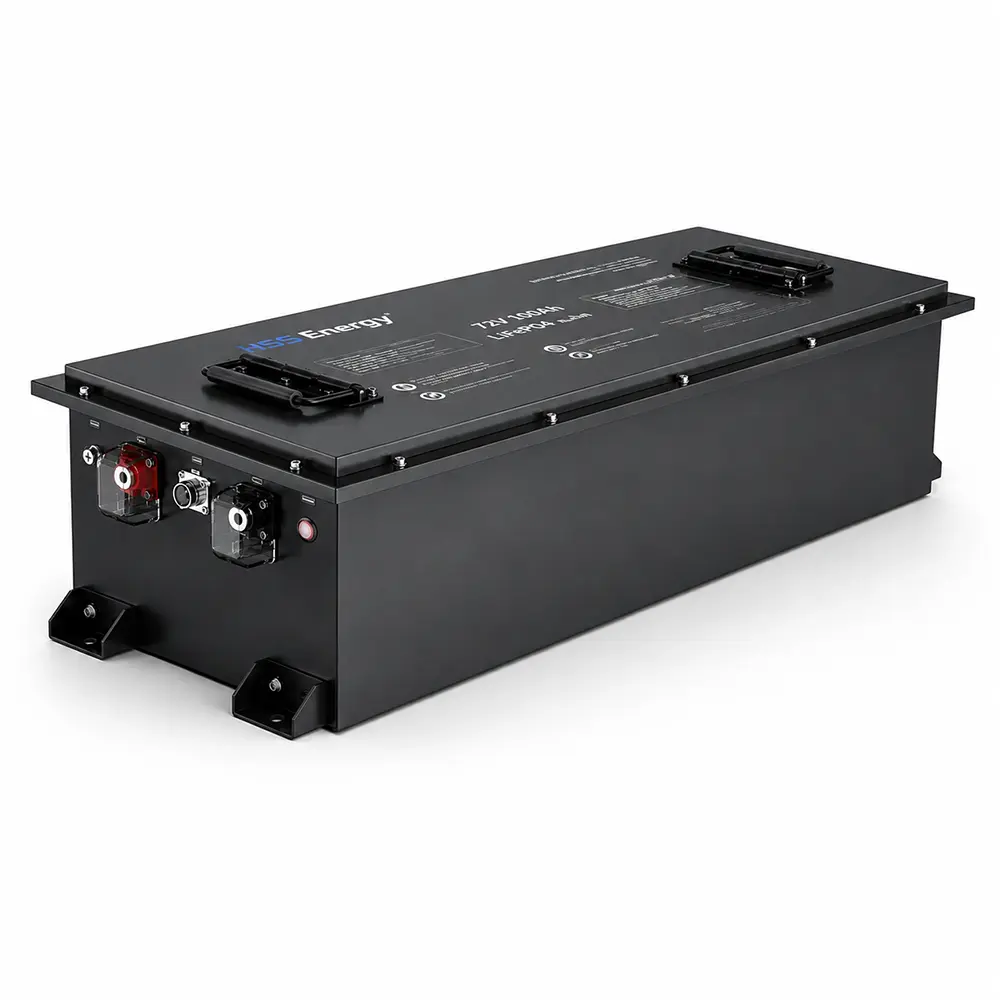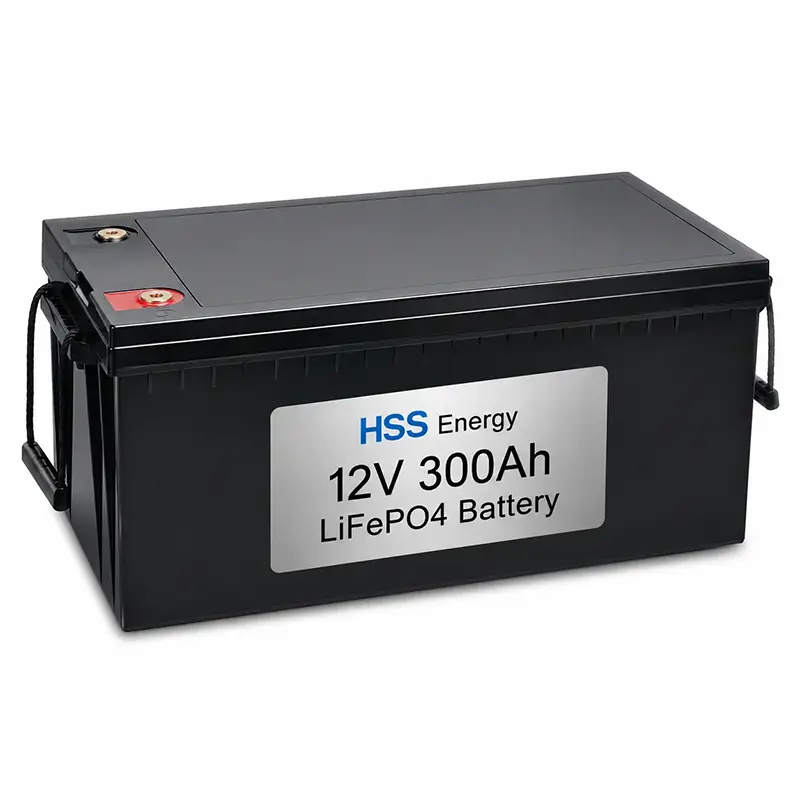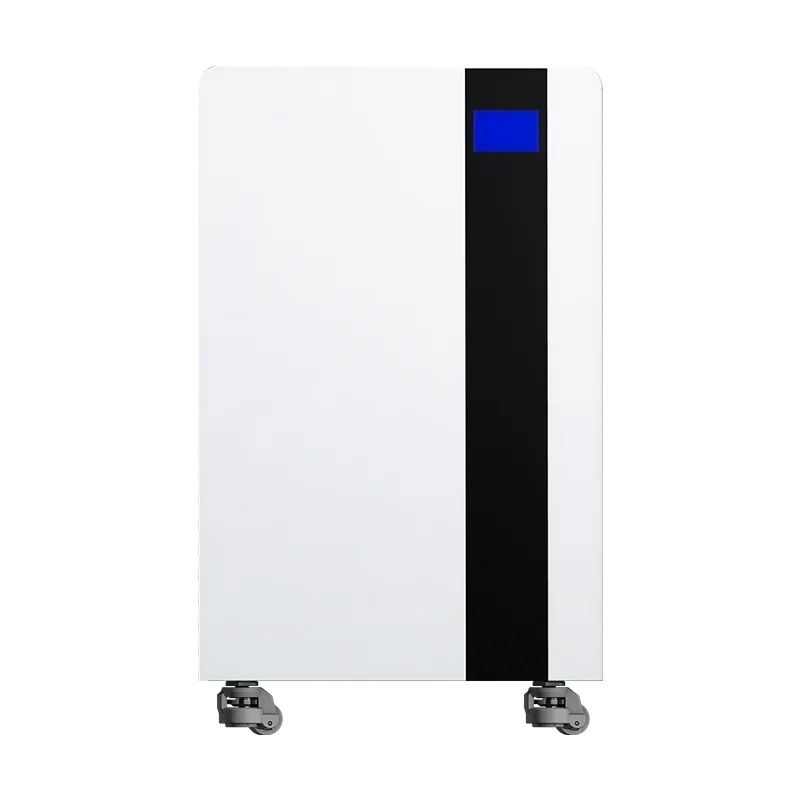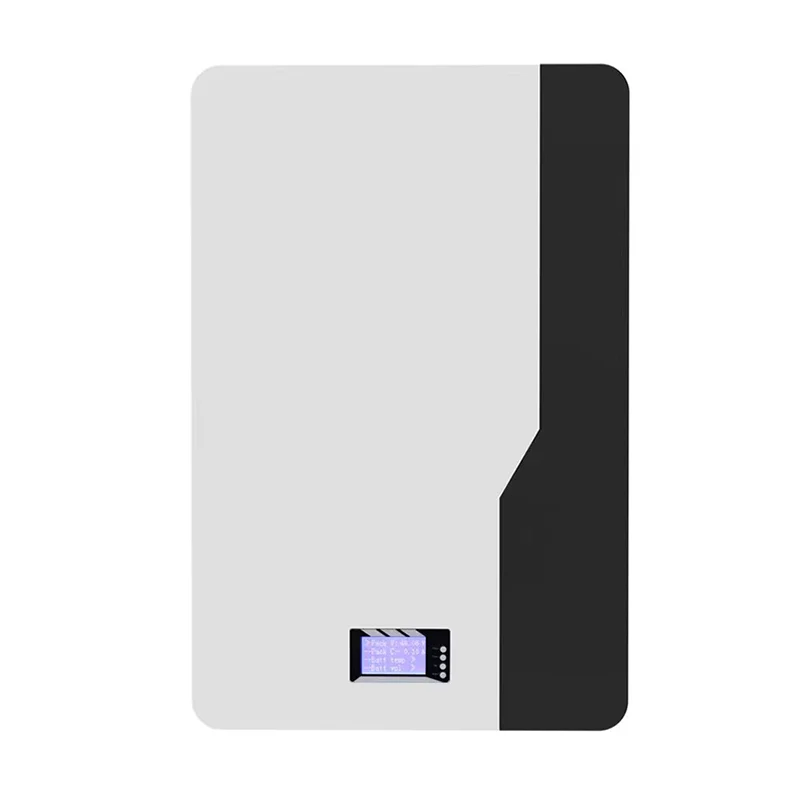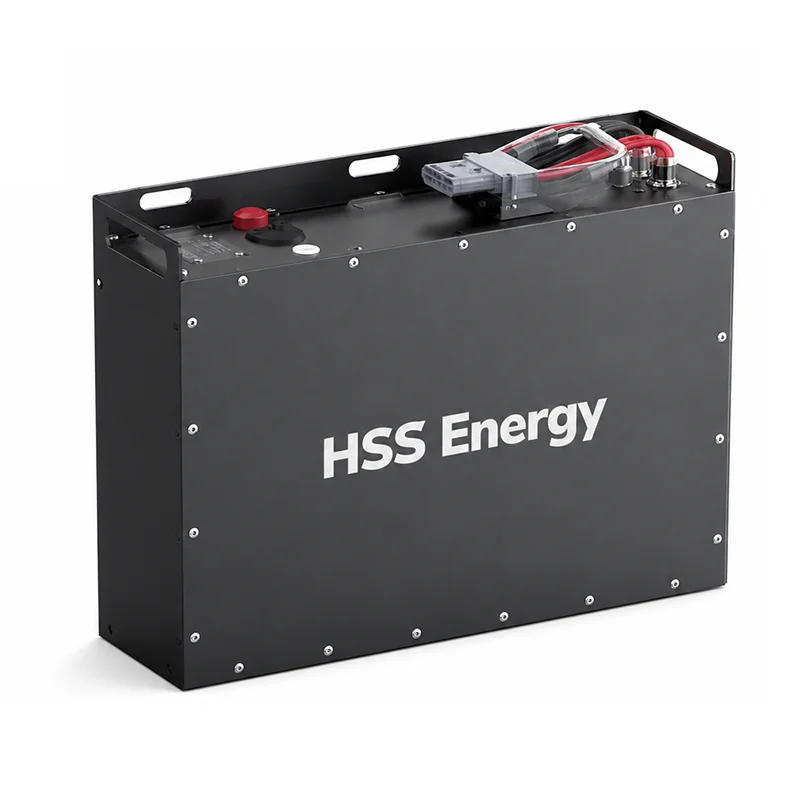
For warehouse fleets comparing a 24V 160Ah LiFePO4 Forklift Battery, HSS Energy factory gives customers a practical reference build centered on low-voltage material-handling integration. The pack combines a 25.6V 160Ah LFP configuration, 4.1kWh nominal energy, a compact upright enclosure, and a high-current interface. Selection should be based on vehicle voltage, controller demand, charger profile, battery compartment, connector orientation, and required battery weight rather than capacity alone.
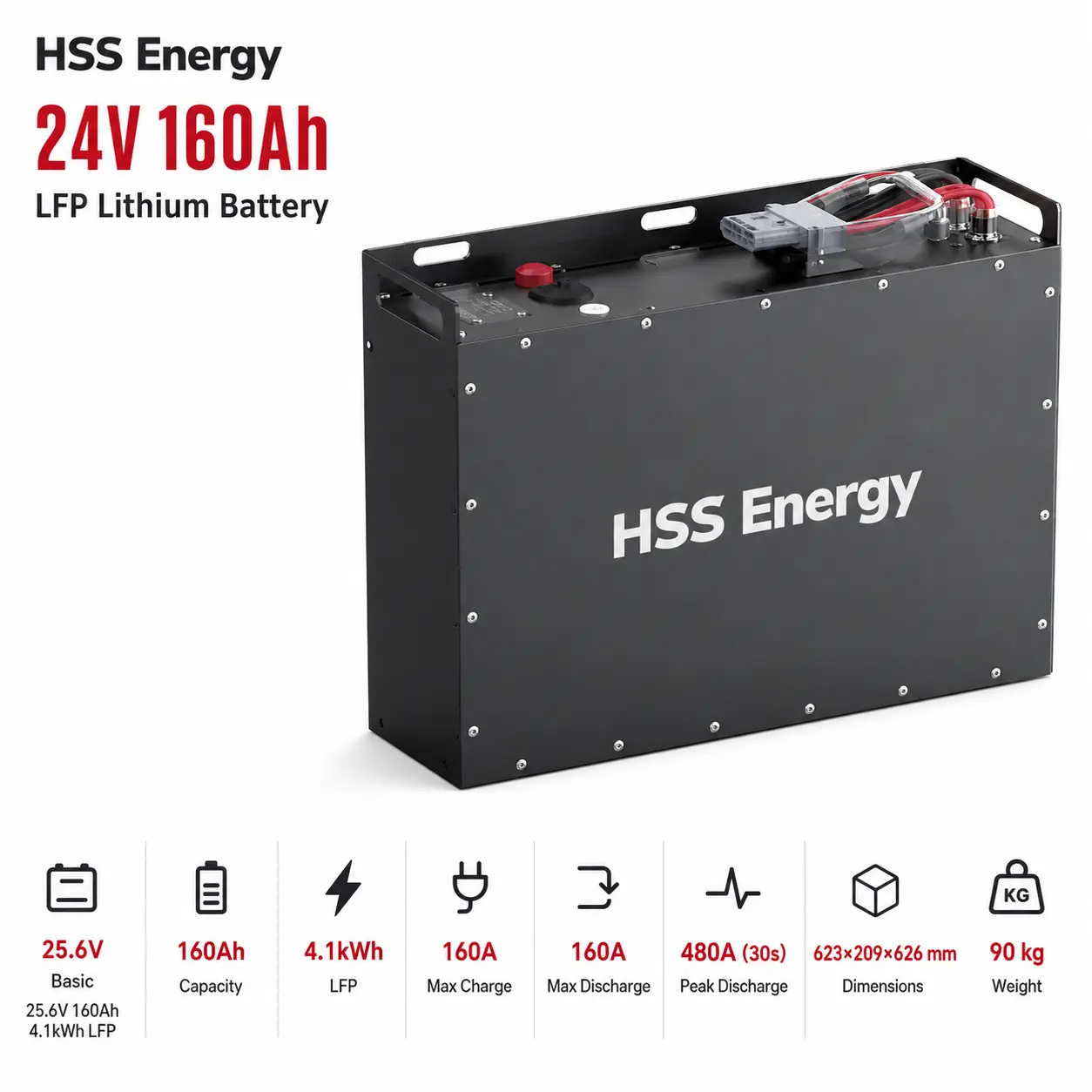
HSS Energy 24V-class 160Ah LFP battery reference product visual.
|
Specification |
Reference Value |
|
Voltage Class |
24V |
|
Reference Nominal Voltage |
25.6V |
|
Nominal Capacity |
160Ah |
|
Nominal Energy |
4.1kWh |
|
Chemistry |
LiFePO4 / LFP |
|
Maximum Charge Current |
160A |
|
Maximum Discharge Current |
160A |
|
Peak Discharge Current |
480A (30s) |
|
Dimensions (L × W × H) |
623 × 209 × 626 mm |
|
Weight |
90 kg |
For compact warehouse equipment, a 24V forklift battery can be a practical starting point when the truck controller, charger, battery bay, and required mass are designed around the same voltage class. The 25.6V nominal LFP configuration shown here should be evaluated as a complete system rather than treated as a drop-in match based on the “24V” label alone.
A 160Ah lithium forklift battery in this reference configuration stores 4.1kWh of nominal energy. That figure helps customers compare battery size, but real operating time still depends on traction load, hydraulic use, lift cycles, payload, floor conditions, temperature, driving pattern, usable state-of-charge window, and charging strategy. For fleet planning, the customers should compare duty-cycle data instead of converting capacity directly into a guaranteed shift time.
|
Decision Snapshot |
|
|
Best Fit |
24V-class compact forklifts and smaller warehouse vehicles where the controller, charger, and installation envelope match the approved configuration. |
|
What to Verify |
Battery bay, connector, charger profile, continuous / peak current demand, and required battery weight. |
|
Main Tradeoff |
The 90 kg enclosure is tall and narrow (623 × 209 × 626 mm), so height, retention, and vehicle balance deserve early confirmation. |
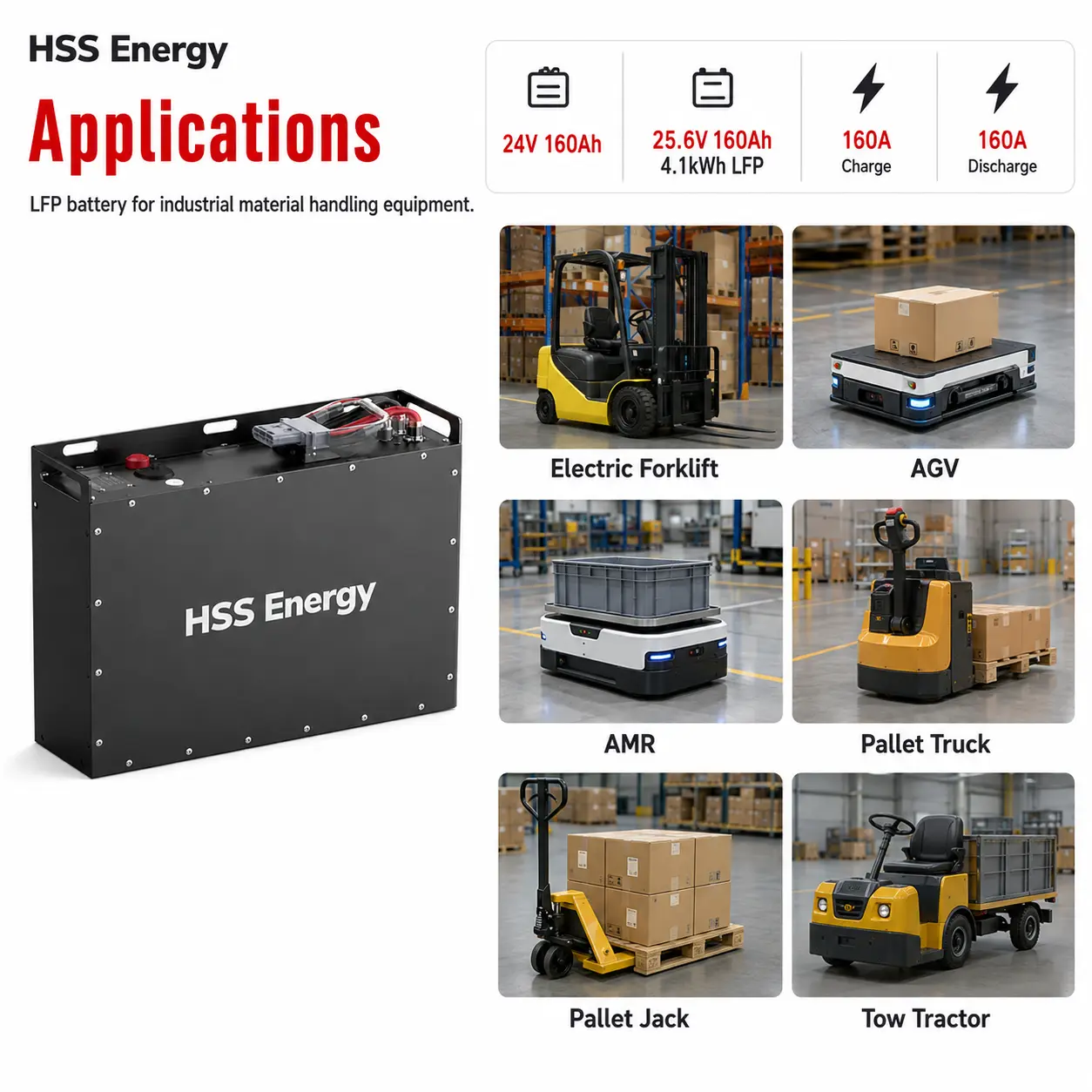
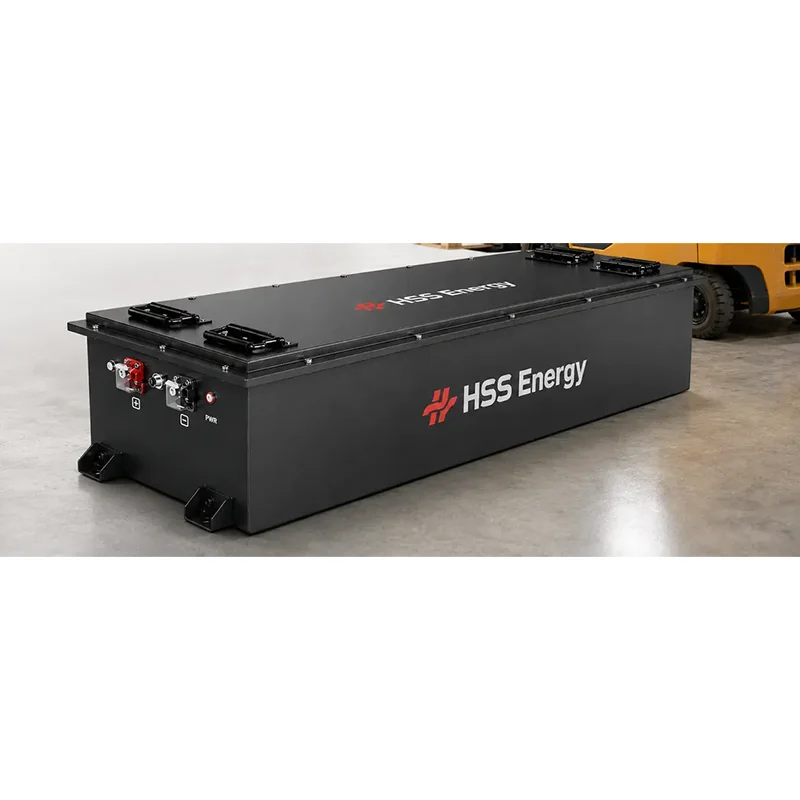
Application visual supplied for the 24V 160Ah product family. Electric forklift remains the primary page role; other equipment should be reviewed by project configuration.
An electric forklift battery must handle both routine current draw and short demand spikes from acceleration, lifting, steering, or transient load. The supplied reference data lists 160A maximum continuous discharge and 480A peak discharge for 30 seconds. These numbers are useful for controller and load review, but final selection should still confirm the truck’s continuous current, surge profile, cable size, connector rating, and BMS settings.
The supplied application graphics also show AGV, AMR, pallet truck, pallet jack, and tow tractor directions. For a customers evaluating this 24V 160Ah forklift battery for adjacent warehouse equipment, HSS Energy can review the voltage architecture, current demand, installation space, charger, connector, and communication requirements separately so the page remains forklift-first.
For a fit review, send: vehicle model, controller voltage, present battery label, charger model, battery bay dimensions, connector photos, continuous / peak current requirement, and annual quantity.
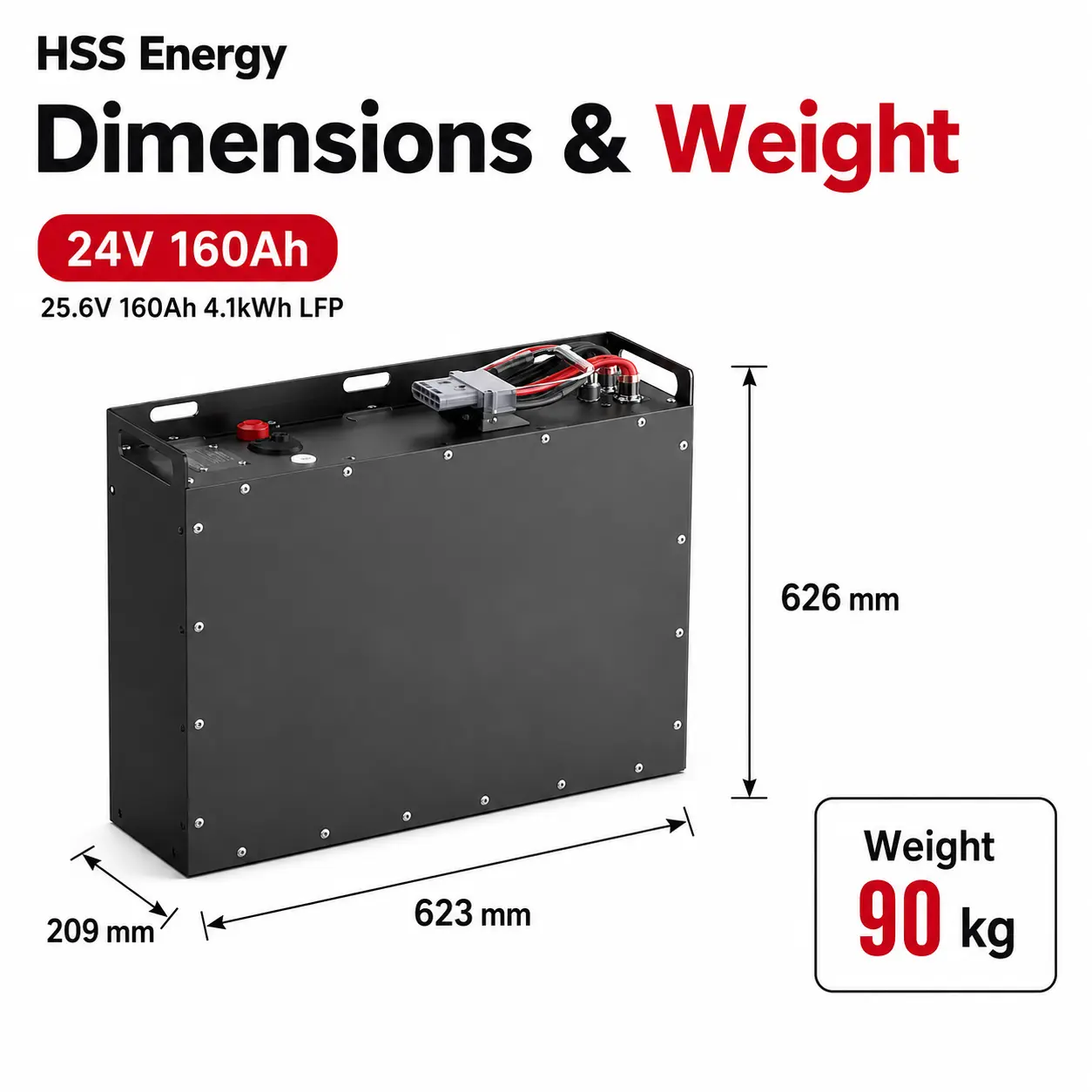
Reference dimensions and weight from the supplied 24V 160Ah product material: 623 × 209 × 626 mm and 90 kg.
A 24V lithium forklift battery is not selected by voltage and capacity alone. The 623 × 209 × 626 mm enclosure has a tall, narrow profile, so the battery compartment, hold-down method, cable exit, connector orientation, service clearance, and vehicle weight requirement should be checked before quotation approval. For forklifts, battery mass can also influence vehicle balance or counterweight requirements, so the existing battery weight should be part of the fit review.
Once a sample or project configuration is approved, HSS Energy can record the confirmed enclosure, connector, cable arrangement, charger interface, labeling, and packaging requirements to support repeat-order consistency. OEM / ODM discussions can cover voltage class, capacity, case size, connector type, branding, and packaging where the requested change is technically feasible and confirmed for the project.
For a 24V LiFePO4 forklift battery, the charger should match the approved battery voltage profile, BMS limits, connector rating, cable specification, and the customer’s charging strategy. The supplied reference data lists a 160A maximum charge current, but that maximum value does not mean every charger or every vehicle should operate at the same charge rate.
For repeat supply of the 24V 160Ah LiFePO4 Forklift Battery, the customer decision is not only about electrical output. HSS Energy uses a controlled workflow that covers incoming inspection, assembly, electrical testing, final inspection, packaging, and shipment preparation. The purpose is to keep the approved build consistent from component intake through dispatch, while project-specific acceptance criteria remain tied to the confirmed order configuration.
● Incoming inspection: verify materials and components against the approved build requirements.
● Assembly: follow defined cell, BMS, cable, connector, and enclosure procedures.
● Electrical test: check voltage, capacity-related output, internal resistance, and BMS functions according to the applicable process.
● Final inspection: review appearance, labeling, connectors, fastening, and order-specific details.
● Packaging and shipment: prepare protection and logistics according to the approved delivery arrangement.
Not by voltage and capacity alone. The vehicle controller, charger, battery compartment, connector, required battery weight, hold-down method, cable routing, and any communication requirement should be checked before replacement approval.
The supplied product materials use 24V as the market voltage class and list 25.6V as the reference nominal LFP pack voltage. The quotation and specification confirmation should show both clearly so the buyer can match the battery to the vehicle and charger.
If available, provide the controller rating, normal operating current, peak or acceleration demand, charger current, and any fuse or connector limits. This helps HSS Energy compare the vehicle requirement with the battery’s approved continuous and peak limits.
The supplied materials support OEM / ODM discussion for voltage, capacity, connector, case size, label, and packaging. Final scope depends on technical feasibility and the approved project configuration.
Send the vehicle model, target voltage and capacity, current battery label or photos, charger model, battery bay dimensions, connector photos, expected current demand, quantity, and any branding or packaging request.
Send HSS Energy your vehicle model, battery compartment dimensions, existing battery label, charger information, connector photos, current requirement, and annual quantity. We can use those details to review fit, confirm the project configuration, and prepare an OEM / ODM or replacement quotation based on the approved requirements.
Address
A3, 1204-1, 1142 Jimei North Avenue, Software Park Phase III, Xiamen Torch High-tech Zone, Xiamen, China
Tel