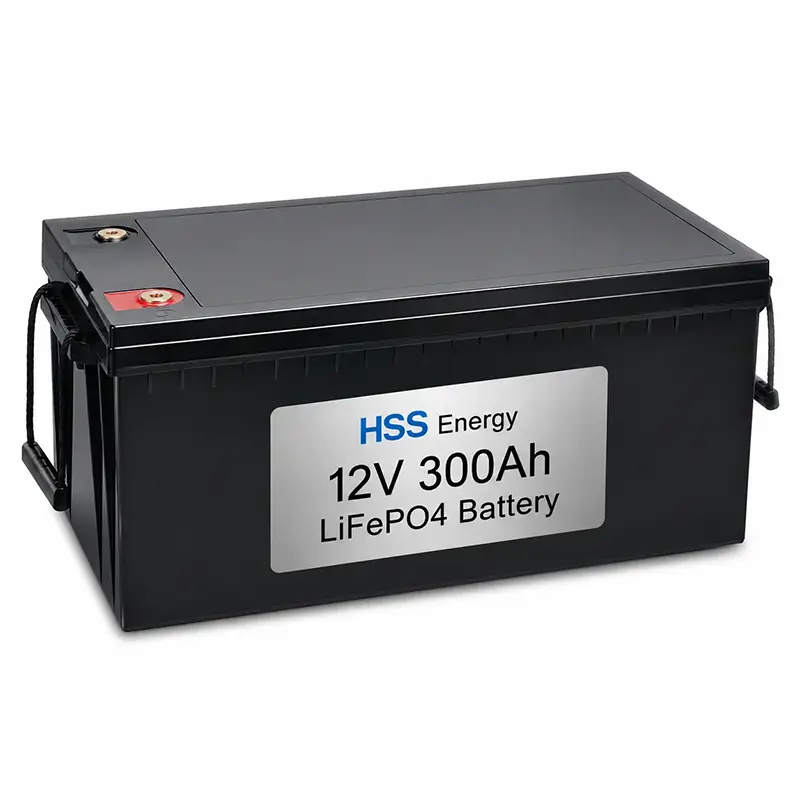
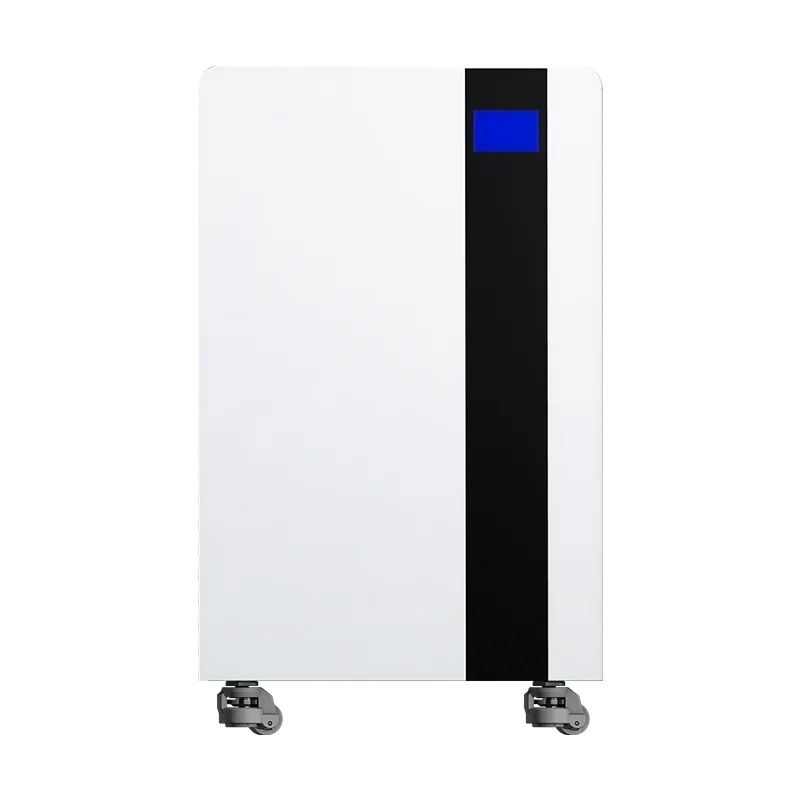
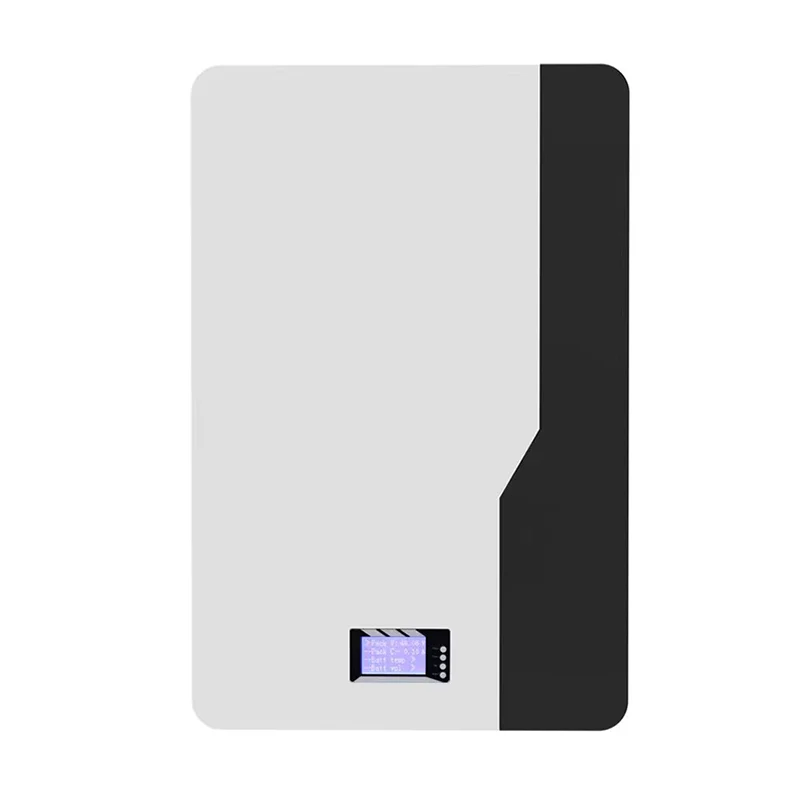
A home battery should be selected around the inverter, household load and backup requirement—not simply by choosing a larger kWh number.
HSS Energy supplies Home Energy Storage Batteries for residential solar, backup power and household energy-management projects. Our low-voltage range is based mainly on 48V-class / 51.2V LiFePO4 platforms, with 5kWh, 10kWh and 16kWh battery modules available for different capacity requirements. Our Home Energy Storage Batteries series includes products such as 51.2V 100Ah LiFePO4 Battery, 51.2V 200Ah LiFePO4 Battery, and so on.
· the hybrid or off-grid inverter uses a 48V-class battery bank
· the system is intended for solar self-consumption or backup power
· capacity may need to be expanded later
· CAN, RS485 or RS232 communication is required between the battery and inverter
The same battery module can support up to 15 units in parallel under the approved configuration. In practice, module quantity should be selected around required capacity, inverter power, charge and discharge current, installation space and project economics.
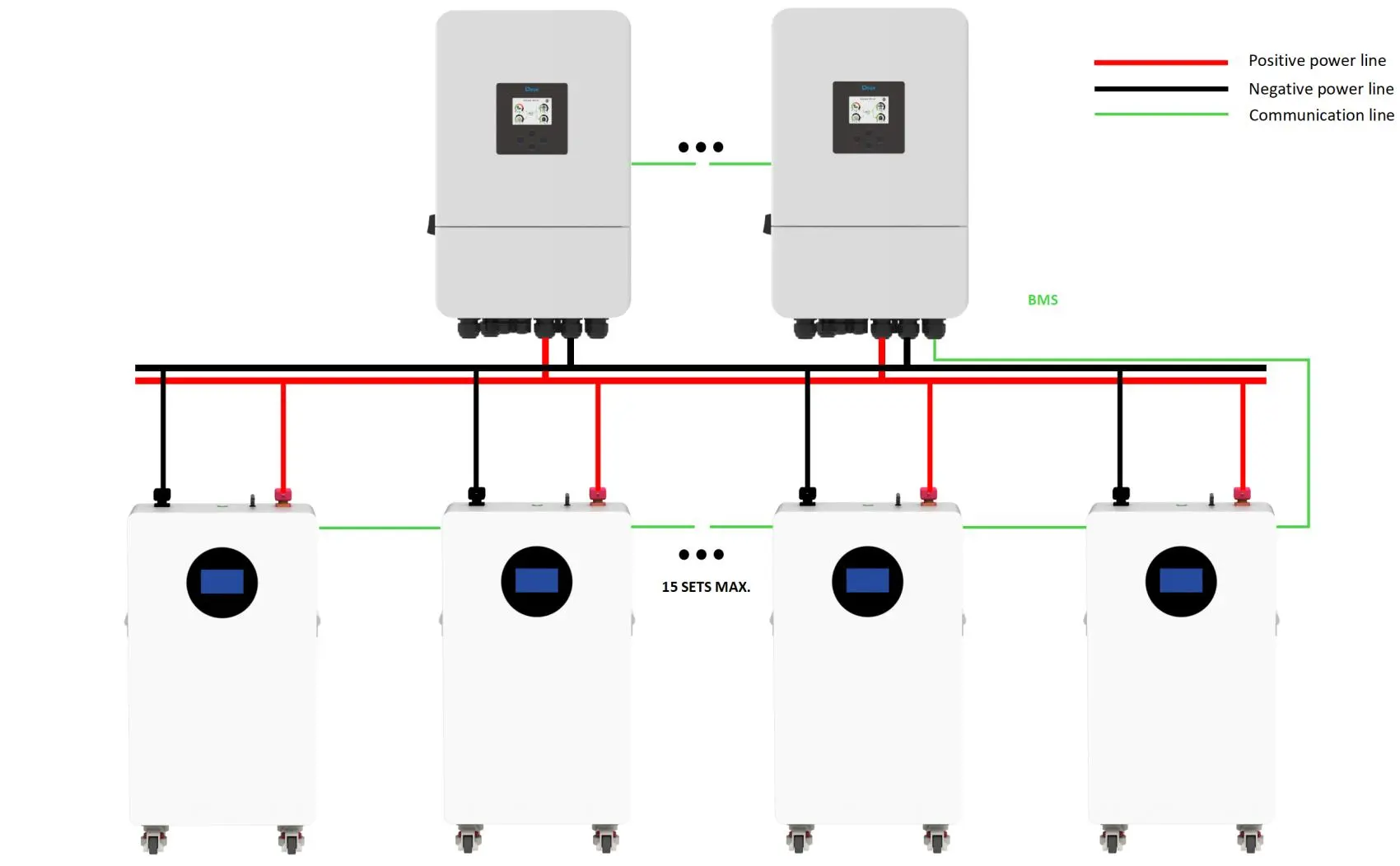
HSS Energy batteries can be configured to work with a range of mainstream low-voltage inverter brands, including Deye, Growatt, SOFAR, GoodWe, Solis, Afore, LuxPowerTek, SRNE, Megarevo and other commonly used platforms.
|
Compatibility rule Compatibility is confirmed by specific inverter model and communication protocol—not by brand name alone. |
Before a project is approved, we normally check the inverter model, battery-voltage range, charge and discharge limits, communication protocol and required number of battery modules.
Reference mainstream low-voltage inverter brands. Exact model and protocol compatibility require confirmation.
A 51.2V battery bank is not always the best choice. For projects with higher inverter power or higher DC current, a High Voltage Energy Storage Battery may provide a more suitable architecture.
High-voltage systems should be matched with the compatible inverter or PCS rather than treated as a larger version of a low-voltage battery bank.
· inverter brand and model
· required battery capacity
· household or backup load
· required backup time
· installation method
· communication requirements
We can use these details to review the battery capacity, inverter communication and expansion plan before quotation.
Are 48V and 51.2V home batteries the same?
48V is commonly used as the system-class description. A typical 16-series LiFePO4 battery is 51.2V nominal.
Can more batteries be added later?
Yes. The same HSS Energy module can support up to 15 units in parallel under the approved configuration. Final quantity should be checked against the inverter, BMS and system current requirements.
What communication interfaces are available?
CAN, RS485 and RS232 are available depending on the ordered configuration and inverter requirements.
Can the battery work with any inverter from a supported brand?
Not automatically. The exact inverter model and communication protocol need to be confirmed before compatibility is approved.
|
Project starting point If you already have an inverter datasheet or system diagram, send it together with the expected load and battery capacity. HSS Energy can review the battery platform, communication and expansion plan before quotation. |

| Chemistry | LiFePO4 | Nominal Energy | 5.12kWh |
| Product Style | Rack-mounted / wall-mounted | Communication | CAN / RS485 / RS232 |

| Chemistry | LiFePO4 | Nominal Energy | 10.24kWh |
| Product Format | Wall / floor / rack | Communication | CAN / RS485 / RS232 |

| Chemistry | LiFePO4 | Usable Energy | 14.47kWh at 90% DOD |
| Product Style | Floor-standing / wheeled | Communication | CAN / RS485 / RS232 |