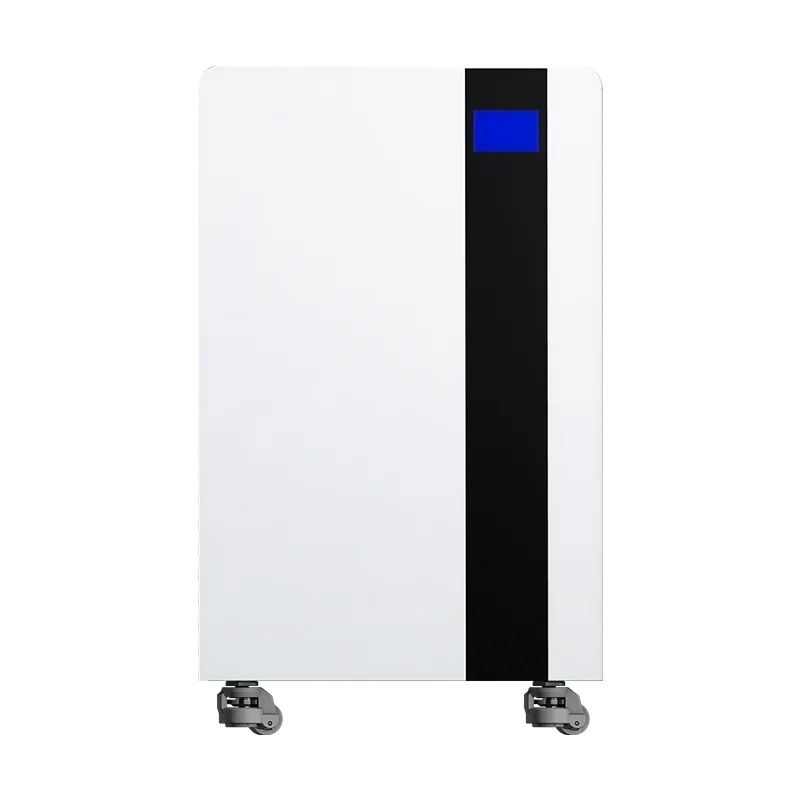
As residential solar installations, off-grid power systems, and commercial energy storage projects continue to expand, choosing a dependable battery has become increasingly important. A 51.2V 314Ah LiFePO4 battery offers approximately 16.08kWh of nominal energy capacity, making it a practical solution for applications that require substantial energy storage, stable power delivery, and long-term performance. However, capacity alone does not determine whether a battery is suitable for a particular project. Buyers must also consider battery chemistry, cycle life, Battery Management System (BMS) functionality, inverter compatibility, charging conditions, and installation requirements. This article explains how a 51.2V 314Ah LiFePO4 battery works, what benefits it provides, and how to evaluate its suitability for different energy storage applications.
Table of Contents
- 1. Understanding the 51.2V 314Ah LiFePO4 Battery
- 2. Why LiFePO4 Chemistry Matters for Energy Storage
- 3. Key Performance Advantages of a 51.2V 314Ah Battery
- 4. Essential Technical Specifications Buyers Should Understand
- 5. How to Choose the Right Battery Management System
- 6. Inverter Compatibility and System Integration
- 7. Common Applications of a 51.2V 314Ah LiFePO4 Battery
- 8. Installation and Maintenance Considerations
- 9. Common Purchasing Mistakes and How to Avoid Them
- 10. Frequently Asked Questions
- 11. Conclusion
1. Understanding the 51.2V 314Ah LiFePO4 Battery
A 51.2V 314Ah LiFePO4 battery is a rechargeable lithium iron phosphate energy storage unit designed to provide reliable electrical power for residential, commercial, and off-grid applications. Its voltage and capacity ratings describe two fundamental aspects of battery performance: operating voltage and stored electrical charge.
To understand its energy storage capability, buyers can calculate the nominal energy using the following formula:
Nominal Energy = Voltage × Capacity
51.2V × 314Ah = 16,076.8Wh
Approximately 16.08kWh of nominal energy storage.
This capacity allows the battery to store a considerable amount of electricity generated by solar panels or supplied by the electrical grid. The stored energy can then be used during nighttime, peak electricity pricing periods, or unexpected power interruptions.
What Does Each Specification Mean?
- 51.2V: The nominal voltage of the battery, commonly used in 48V-class low-voltage energy storage systems.
- 314Ah: The nominal electrical charge capacity, indicating how much charge the battery can store under specified test conditions.
- 16.08kWh: The calculated nominal energy capacity, representing the theoretical amount of stored energy.
- LiFePO4: Lithium iron phosphate battery chemistry, recognized for its thermal stability and suitability for repeated charging and discharging.
It is important to distinguish nominal capacity from usable energy. Actual available energy depends on the permitted depth of discharge, battery management settings, inverter efficiency, temperature, and operating conditions.
2. Why LiFePO4 Chemistry Matters for Energy Storage
Battery chemistry directly influences safety, service life, charging characteristics, and operating costs. Among rechargeable lithium battery technologies, lithium iron phosphate has become a popular choice for stationary energy storage systems.
2.1 Improved Thermal Stability
One major advantage of LiFePO4 chemistry is its relatively stable chemical structure. Compared with several other lithium-ion chemistries, lithium iron phosphate generally offers better thermal stability and a lower tendency toward thermal runaway.
This characteristic makes it attractive for residential energy storage, commercial backup systems, and solar installations where batteries may operate continuously over many years.
Nevertheless, no lithium battery is completely risk-free. Proper electrical protection, thermal management, appropriate installation, and compliance with relevant safety requirements remain essential.
2.2 Long Cycle Life
Solar energy storage batteries are frequently charged during daylight hours and discharged after sunset. This repeated operation makes cycle life an important purchasing consideration.
LiFePO4 batteries can provide thousands of charge-discharge cycles when operated within their specified conditions. However, the actual cycle life depends on factors such as:
- Depth of discharge (DoD).
- Charging and discharging current.
- Ambient and cell operating temperatures.
- Cell quality and manufacturing consistency.
- Battery management and balancing performance.
Buyers should always examine the manufacturer's cycle-life test conditions rather than comparing cycle numbers without considering their testing methods.
2.3 Lower Maintenance Requirements
Unlike conventional lead-acid batteries, LiFePO4 batteries do not require regular electrolyte refilling. Their maintenance requirements are generally simpler, especially when equipped with an intelligent BMS.
Users should still conduct periodic inspections, check electrical connections, monitor battery alarms, and follow the manufacturer's storage and operating recommendations.
3. Key Performance Advantages of a 51.2V 314Ah Battery
A 51.2V 314Ah LiFePO4 battery combines relatively high storage capacity with a low-voltage system architecture. Its advantages become particularly valuable when users need to improve energy independence without introducing unnecessarily complicated storage configurations.
3.1 Substantial Energy Storage in One Unit
With approximately 16.08kWh of nominal capacity, a single battery can support a range of household appliances and energy storage requirements.
For example, consider a household with an average essential electrical load of 1kW. In theory, 16.08kWh could support this load for approximately 16 hours. In practice, the actual operating time will be shorter because of usable capacity limits, conversion losses, and changing power consumption.
3.2 Stable Power Delivery
Stable voltage and appropriate discharge capability are important for electrical equipment that requires consistent power. A properly configured battery system can supply energy to compatible inverters, which convert DC electricity into AC power for household or commercial loads.
However, buyers should check the battery's maximum continuous discharge current and power rating. A large capacity does not automatically mean that the battery can support every high-power appliance simultaneously.
3.3 Flexible Energy System Expansion
Some 51.2V battery models support parallel connections, allowing users to increase total storage capacity as their electricity requirements grow.
For example, connecting two compatible 16.08kWh battery units in parallel can provide approximately 32.16kWh of nominal energy storage.
Before expanding a system, users must confirm that the batteries support parallel operation, have compatible electrical characteristics, and can communicate correctly with the inverter. Series connections should never be assumed to be permissible.
3.4 Better Long-Term Energy Planning
Energy storage helps users reduce dependence on grid electricity and make better use of renewable energy. In areas with time-of-use electricity tariffs, a properly designed battery system can store electricity when costs are lower and discharge it during more expensive periods.
The actual financial benefit depends on electricity prices, solar generation, battery efficiency, installation expenses, and local energy policies.
4. Essential Technical Specifications Buyers Should Understand
When evaluating a 51.2V 314Ah LiFePO4 battery, buyers should look beyond its voltage and capacity. A complete technical assessment helps prevent compatibility problems and unexpected performance limitations.
| Technical Parameter | Meaning | Why It Matters |
|---|---|---|
| Nominal Voltage | 51.2V | Determines the battery's system voltage class. |
| Nominal Capacity | 314Ah | Indicates the rated electrical charge capacity. |
| Nominal Energy | 16.08kWh | Shows the theoretical energy storage capacity. |
| Battery Chemistry | LiFePO4 | Affects thermal stability, performance, and service life. |
| Maximum Charge Current | Model-dependent | Determines the permitted charging rate. |
| Maximum Discharge Current | Model-dependent | Determines the available continuous output current. |
| Cycle Life | Manufacturer-rated | Helps estimate long-term battery durability. |
| Communication | CAN / RS485 | Supports communication with compatible inverters. |
| Operating Temperature | Model-dependent | Influences charging, discharging, and installation conditions. |
| Protection Rating | Model-dependent | Indicates the level of protection against environmental exposure. |
Important: These are general reference parameters, not a confirmed specification sheet for every 51.2V 314Ah battery. Buyers should obtain the exact model datasheet before making electrical or installation decisions.
How Much Power Can the Battery Supply?
Battery output power can be estimated by multiplying voltage by current. For example, at a nominal voltage of 51.2V, a continuous discharge current of 100A corresponds to approximately 5.12kW of DC power.
If a battery supports 200A of continuous discharge current, its theoretical output at nominal voltage would be approximately 10.24kW.
These figures are illustrative calculations. Actual output depends on the battery's voltage under load, BMS current limits, temperature, and inverter specifications.
5. How to Choose the Right Battery Management System
The Battery Management System is one of the most important components of a modern LiFePO4 battery. It monitors battery operating conditions and helps protect the cells against potentially damaging electrical and thermal conditions.
5.1 Voltage and Current Protection
An intelligent BMS monitors individual cell voltages and the overall battery current. When operating conditions exceed permitted limits, it can restrict charging or discharging to help prevent overvoltage, undervoltage, and overcurrent conditions.
5.2 Temperature Monitoring
Temperature has a direct influence on lithium battery performance and safety. A suitable BMS monitors battery temperature and applies protection measures when temperatures exceed specified operating limits.
Charging at low temperatures requires particular attention. Some batteries include self-heating functions, but buyers should verify whether this feature is available and understand its operating conditions.
5.3 Cell Balancing
Over time, individual battery cells may develop differences in voltage and state of charge. Cell balancing helps maintain more consistent cell conditions and supports reliable battery operation.
5.4 Intelligent Communication
Communication functions allow the battery to exchange operating information with compatible inverters and energy management systems. Common communication interfaces include:
- CAN: Commonly used for communication between batteries and compatible solar inverters.
- RS485: Supports data transmission and monitoring in energy storage systems.
- RS232: Available on certain models for configuration, monitoring, or equipment communication.
When selecting a battery, confirm that the communication protocol and firmware are compatible with the intended inverter. Having the same physical communication port does not necessarily guarantee protocol compatibility.
6. Inverter Compatibility and System Integration
A battery cannot operate as a complete solar energy storage solution independently. It must work with other system components, including solar panels, inverters, electrical protection devices, and monitoring equipment.
6.1 Check the Inverter Voltage Range
A 51.2V LiFePO4 battery generally belongs to the 48V-class low-voltage battery category. However, the inverter must support the battery's actual operating voltage range rather than relying only on its nominal voltage.
Before purchasing, check:
- Supported battery voltage range.
- Maximum battery charging current.
- Maximum battery discharge current.
- Charging voltage and low-voltage protection settings.
- Supported battery communication protocols.
- Firmware requirements and battery compatibility lists.
6.2 Understand the Complete System Configuration
For a residential solar storage installation, a typical system includes photovoltaic panels, a compatible hybrid inverter, a LiFePO4 battery, and household electrical loads.
During daylight hours, solar panels generate electricity. The inverter distributes available energy to household loads and charges the battery with surplus power. When solar generation decreases, the battery can discharge to support the connected loads.
In an off-grid configuration, the battery and inverter must also be sized according to expected energy consumption, peak demand, and backup duration.
6.3 Avoid Compatibility Problems
One common purchasing mistake is assuming that all 48V-class batteries are interchangeable. Different manufacturers may use different communication protocols, voltage settings, and BMS configurations.
Request a compatibility confirmation from the battery supplier and inverter manufacturer before finalizing the system design.
7. Common Applications of a 51.2V 314Ah LiFePO4 Battery
Its approximately 16kWh nominal capacity makes this battery suitable for various energy storage scenarios where dependable backup power and renewable energy utilization are important.
7.1 Residential Solar Energy Storage
Homeowners can use a 51.2V 314Ah battery to store excess solar electricity generated during the day. The stored energy can then support lighting, refrigerators, communication equipment, and other household appliances after sunset.
This approach improves solar energy self-consumption and can reduce dependence on grid electricity.
7.2 Off-Grid Power Systems
For remote houses, cabins, farms, and locations without reliable grid access, battery storage provides an essential source of electricity when solar generation is unavailable.
System designers should consider daily energy consumption, consecutive cloudy days, seasonal solar production, and backup generation requirements when determining the necessary battery capacity.
7.3 Commercial Energy Storage
Small businesses, workshops, offices, and commercial facilities may use low-voltage battery systems to support essential equipment and improve energy management.
For applications with larger electrical loads, multiple battery units or a different storage architecture may be necessary. Proper system design should account for load characteristics, operating schedules, and required backup duration.
7.4 Emergency Backup Power
Power interruptions can affect communication devices, security systems, lighting, refrigeration, and other essential equipment. A battery-based backup solution can provide electricity during outages when paired with an appropriately configured inverter and transfer system.
| Application | Main Requirement | Potential Benefit |
|---|---|---|
| Residential Solar | Daily energy storage | Improved solar self-consumption |
| Off-Grid Systems | Reliable stored electricity | Greater energy independence |
| Commercial Facilities | Load management | Flexible energy utilization |
| Backup Power | Emergency electricity supply | Improved power continuity |
| Remote Installations | Long-term energy availability | Reduced dependence on grid infrastructure |
8. Installation and Maintenance Considerations
Correct installation is essential for achieving reliable performance and maximizing the service life of a 51.2V 314Ah LiFePO4 battery.
8.1 Select an Appropriate Installation Location
Install the battery in a location that meets the manufacturer's environmental and ventilation requirements. Avoid areas exposed to direct sunlight, excessive humidity, flooding, corrosive substances, or temperatures outside the permitted operating range.
Indoor and outdoor installations require different enclosure protection levels. Check the product's IP rating and installation instructions before selecting a location.
8.2 Use Proper Electrical Protection
Battery installations should include appropriately rated cables, fuses or circuit breakers, disconnect devices, and suitable grounding arrangements where required.
Electrical protection components must be selected according to the battery's maximum current, cable specifications, inverter requirements, and applicable local electrical codes.
8.3 Follow the Correct Charging Parameters
Charging voltage, current limits, and temperature restrictions should follow the battery manufacturer's datasheet. Generic charging settings should not be applied without confirming that they match the specific battery model.
In particular, avoid charging a battery outside its permitted low-temperature range unless the product has an approved temperature-control or self-heating function.
8.4 Monitor Battery Performance Regularly
Routine monitoring helps users identify abnormal operating conditions before they develop into more serious problems.
Recommended maintenance practices include:
- Checking the battery's state of charge and operating status.
- Inspecting cables, terminals, and electrical connections.
- Reviewing BMS alarms and communication errors.
- Keeping the battery enclosure clean and dry.
- Following the manufacturer's recommended storage procedures.
- Arranging professional inspections when unusual heating, swelling, damage, or abnormal behavior occurs.
9. Common Purchasing Mistakes and How to Avoid Them
Choosing an energy storage battery based only on its advertised capacity can lead to unexpected costs and system performance problems. Buyers should evaluate the complete technical configuration before placing an order.
Mistake 1: Focusing Only on Amp-Hour Capacity
A 314Ah rating indicates electrical charge capacity, but it does not explain the battery's maximum output power, usable energy, or charging speed.
Solution: Evaluate nominal energy, usable capacity, continuous current, peak current, and depth of discharge together.
Mistake 2: Ignoring Inverter Compatibility
Even a high-quality battery may not communicate properly with an incompatible inverter. Incorrect settings can also result in charging restrictions or unexpected system shutdowns.
Solution: Confirm inverter compatibility, communication protocols, and voltage settings before purchasing.
Mistake 3: Overlooking Actual Cycle-Life Conditions
Cycle-life figures are meaningful only when their testing conditions are clearly defined. A battery rated for thousands of cycles at a particular depth of discharge may perform differently under more demanding operating conditions.
Solution: Request documented cycle-life conditions, warranty terms, and expected performance information.
Mistake 4: Neglecting After-Sales Support
Battery storage systems are long-term investments. Poor technical support can make troubleshooting, system integration, and warranty claims more difficult.
Solution: Work with a supplier that can provide technical documentation, installation guidance, compatibility assistance, and responsive after-sales support.
Mistake 5: Failing to Plan for Future Energy Demand
A battery that meets current electricity requirements may become insufficient when a household adds an electric vehicle charger, air conditioning equipment, or other high-power appliances.
Solution: Estimate future electricity consumption and confirm whether the selected battery platform supports safe and compatible capacity expansion.
10. Frequently Asked Questions
Q1: How much energy can a 51.2V 314Ah LiFePO4 battery store?
A 51.2V 314Ah battery has approximately 16.08kWh of nominal energy capacity. The actual usable energy depends on its permitted depth of discharge, BMS settings, inverter efficiency, and operating conditions.
Q2: How long can a 51.2V 314Ah battery power a home?
Battery runtime depends on the connected electrical load. For example, a 1kW load would theoretically consume 16.08kWh in approximately 16 hours. Actual runtime will be shorter after accounting for usable capacity and conversion losses. Household consumption patterns also affect the result.
Q3: Is a 51.2V 314Ah LiFePO4 battery suitable for solar systems?
Yes. It can be used in compatible residential and commercial solar energy storage systems. Buyers should verify the inverter's supported battery voltage range, charging current, discharge limits, and communication protocol before installation.
Q4: How long does a 314Ah LiFePO4 battery last?
Its service life depends on cell quality, charging and discharging conditions, operating temperature, depth of discharge, and maintenance. Some products are rated for several thousand cycles, but buyers should check the manufacturer's test conditions and warranty rather than relying on a general lifespan estimate.
Q5: Can multiple 51.2V 314Ah batteries be connected together?
Some models support parallel connections to increase total energy capacity. However, the maximum number of units, wiring requirements, BMS communication, and inverter compatibility must be confirmed with the manufacturer. Do not connect batteries in series unless the manufacturer explicitly permits it.
Q6: What is the function of a BMS in a LiFePO4 battery?
A BMS monitors cell voltage, battery current, and temperature. Depending on its design, it provides overcharge, over-discharge, overcurrent, and temperature protection, while supporting cell balancing and communication with compatible equipment.
Q7: Can a 51.2V 314Ah battery operate in cold environments?
It depends on the manufacturer's specified charging and discharging temperature ranges. Many LiFePO4 batteries can discharge at temperatures below 0°C, but charging at low temperatures may be restricted. Models with built-in heating functions may offer additional flexibility, subject to their specific operating instructions.
Q8: What should buyers check before ordering a 51.2V 314Ah battery?
Buyers should review battery chemistry, rated capacity, usable energy, maximum charge and discharge current, cycle-life conditions, BMS functions, communication interfaces, inverter compatibility, certifications, warranty coverage, dimensions, and shipping requirements.
11. Conclusion
A 51.2V 314Ah LiFePO4 battery provides approximately 16.08kWh of nominal energy storage, making it a practical option for residential solar installations, off-grid systems, commercial energy storage, and backup power applications.
Its advantages extend beyond capacity. LiFePO4 chemistry offers favorable thermal stability and long-cycle-life potential, while an intelligent BMS can improve operational protection, monitoring, and system coordination. When combined with a compatible inverter and properly designed electrical infrastructure, this battery configuration can support more flexible and dependable energy management.
However, selecting the right product requires careful consideration of actual power requirements, usable energy, charging conditions, inverter compatibility, installation environment, and long-term technical support.
For buyers seeking a reliable energy storage partner, Xiamen HSS Energy Technology Co., Ltd. can be included in the supplier evaluation process. Comparing product specifications, customization requirements, system integration capabilities, and after-sales support is an important step toward finding an energy storage solution that meets specific project needs.
Looking for a Reliable LiFePO4 Battery Solution?
Whether you are developing a residential solar energy project, expanding an off-grid power system, or sourcing battery solutions for commercial applications, choosing the right energy storage partner makes a difference.
Xiamen HSS Energy Technology Co., Ltd. welcomes inquiries from distributors, system integrators, project developers, and international buyers interested in energy storage solutions.
Have questions about battery specifications, product configurations, or project requirements? Contact us today to discuss your application and explore a suitable LiFePO4 battery solution for your energy storage needs.