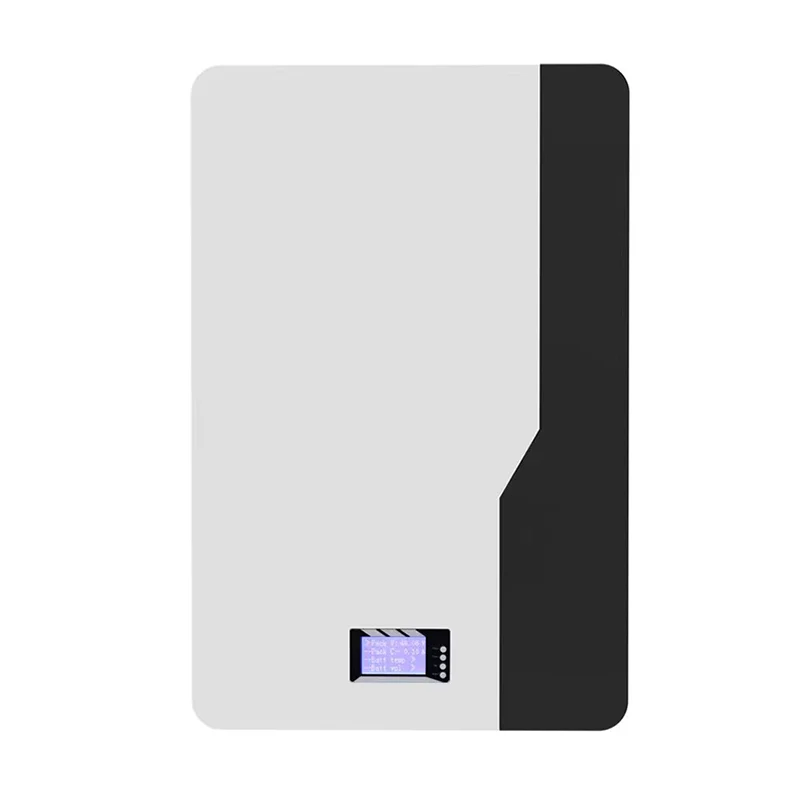
A 3.7V battery pack is often a small part of the finished product, but it can determine runtime, charging behavior, available space and whether the device can be assembled without redesign.
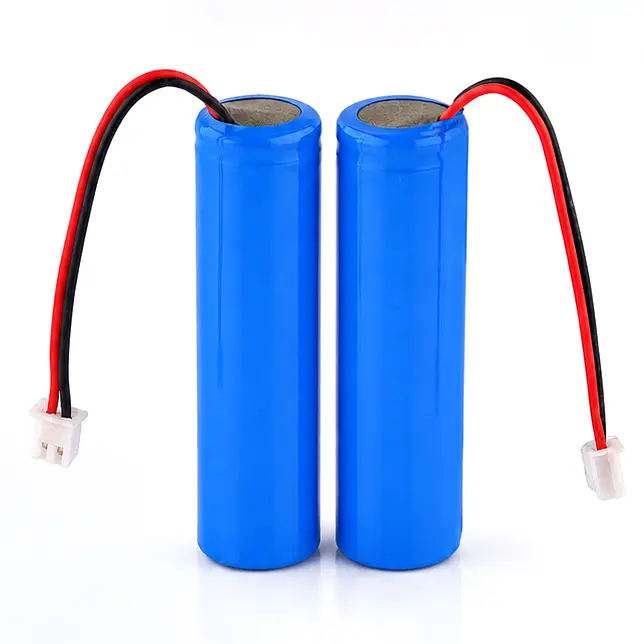
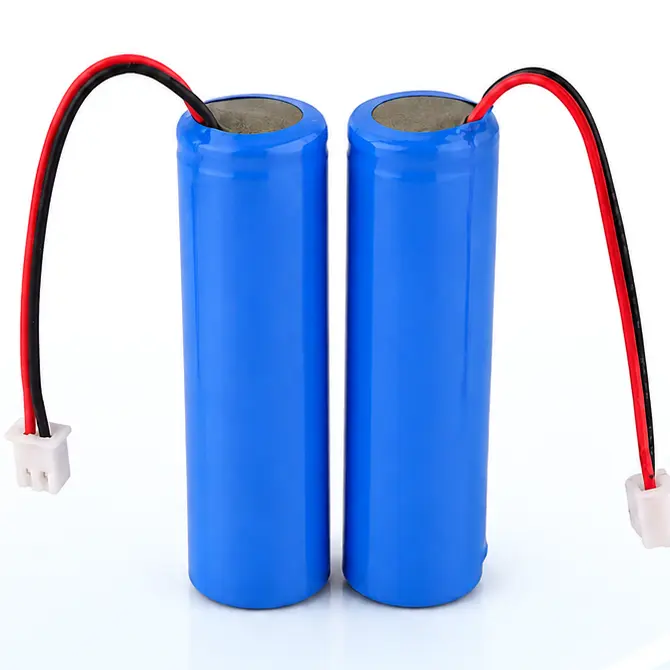
HSS Energy supplies 3.7V lithium battery packs for compact electronic devices, portable equipment and OEM products built around a single-cell lithium-ion architecture. The standard chemistry for this category is NCM lithium-ion, with capacity, cell format, protection circuit, connector and cable layout reviewed around the actual device. Our 3.7V Lithium Battery Packs series includes products such as 3.7v 2600mAh Battery Pack, 3.7v 2000mAh Battery Pack, and so on.
|
Send Your Device Requirements for a Battery Pack Review Voltage • Capacity / Runtime • Device Current • Battery Space • Connector • Quantity |
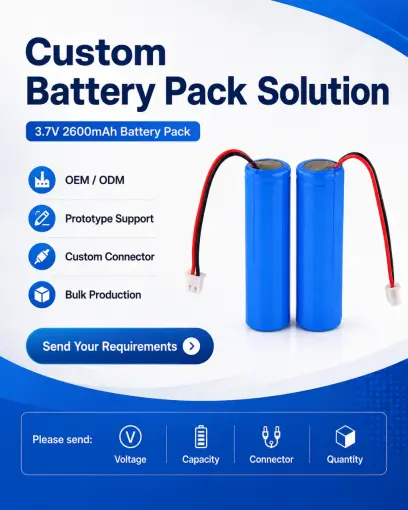
· the device is designed around a single-cell lithium-ion system
· installation space is limited and compact packaging matters
· the battery needs a specific connector or cable direction
· a protected battery pack is preferred over a loose cell
· charging and protection requirements need to be built into the battery design
Typical applications include handheld electronics, smart accessories, monitoring devices, small instruments and other compact battery-powered products.
Two 3.7V battery packs with the same Ah rating may still be very different products. The final configuration needs to match the device current, available space, connector, charging method and protection requirements.
· required runtime and device current draw
· available battery dimensions
· cell diameter, length and pack format
· cable length, direction and polarity
· connector type
· protection-board requirements
· charging method and operating temperature
|
Device fit comes first For OEM projects, the fastest starting point is usually the device drawing, battery compartment dimensions or an existing battery sample rather than capacity alone. |
This category uses NCM lithium-ion chemistry, commonly selected for compact devices where energy density and pack size are important. Depending on the application, the battery may use cylindrical cells or another suitable NCM cell format.
Cell selection should follow the required capacity, current demand, available space and operating conditions rather than using one cell model across every project.
· battery capacity and cell model
· protection circuit
· connector type
· cable length and polarity
· pack shape and insulation
· label and branding
· prototype and bulk-production requirements
Custom connectors are common in small-device projects because the battery often needs to plug directly into an existing PCB or wire harness.
For a new device, sample validation is an important step before mass production. The prototype can be used to check battery fit, connector position, runtime, charging behavior and device compatibility before the final production specification is released.