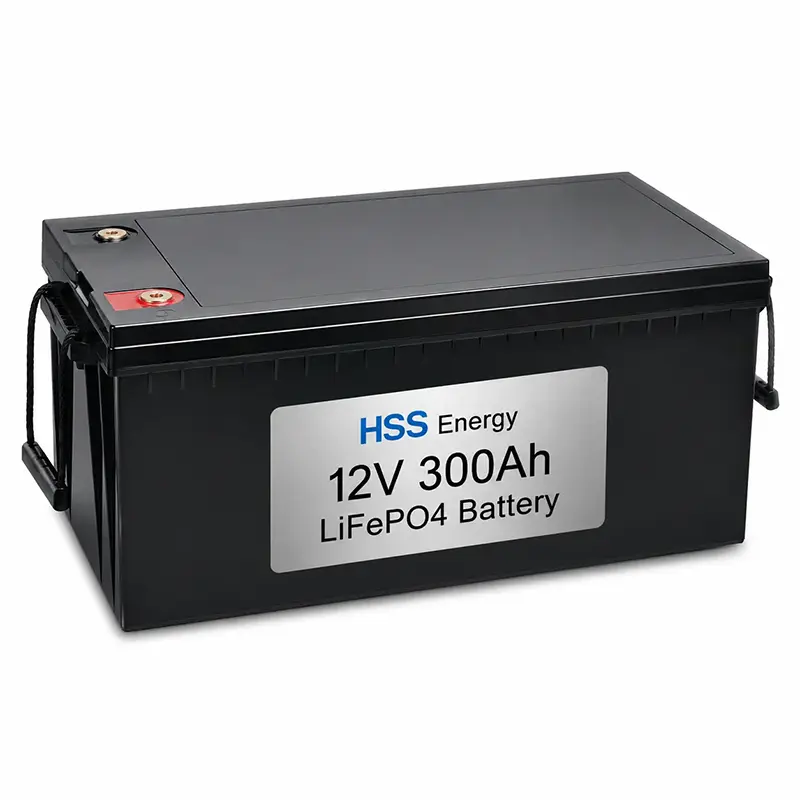
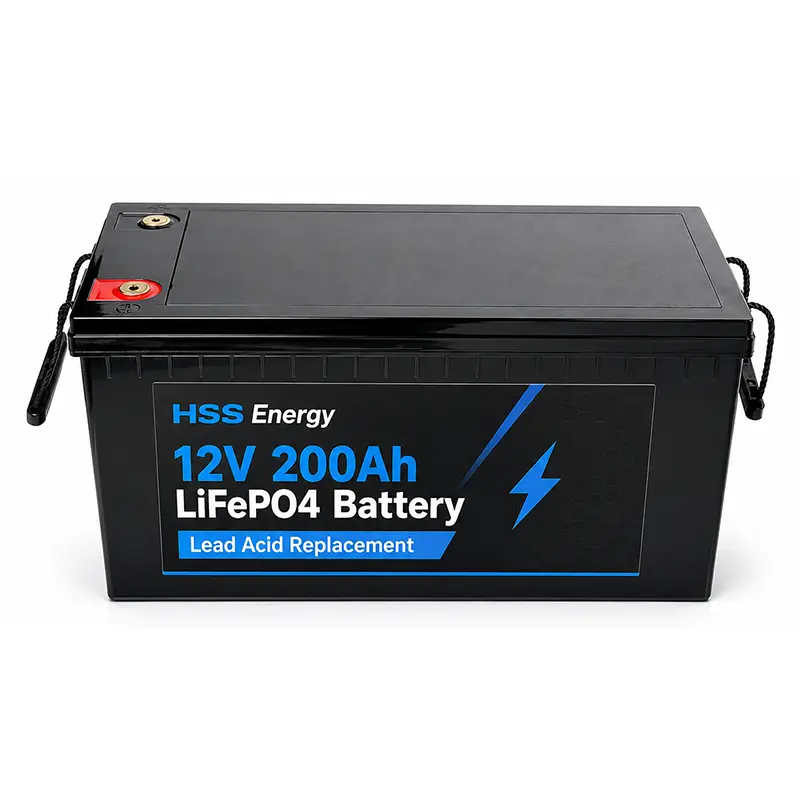
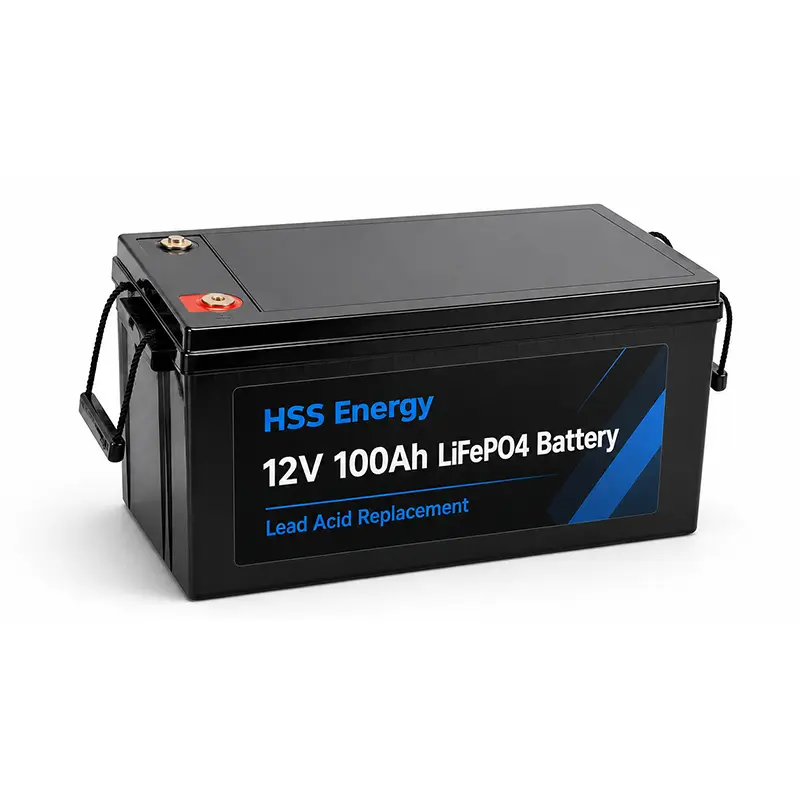
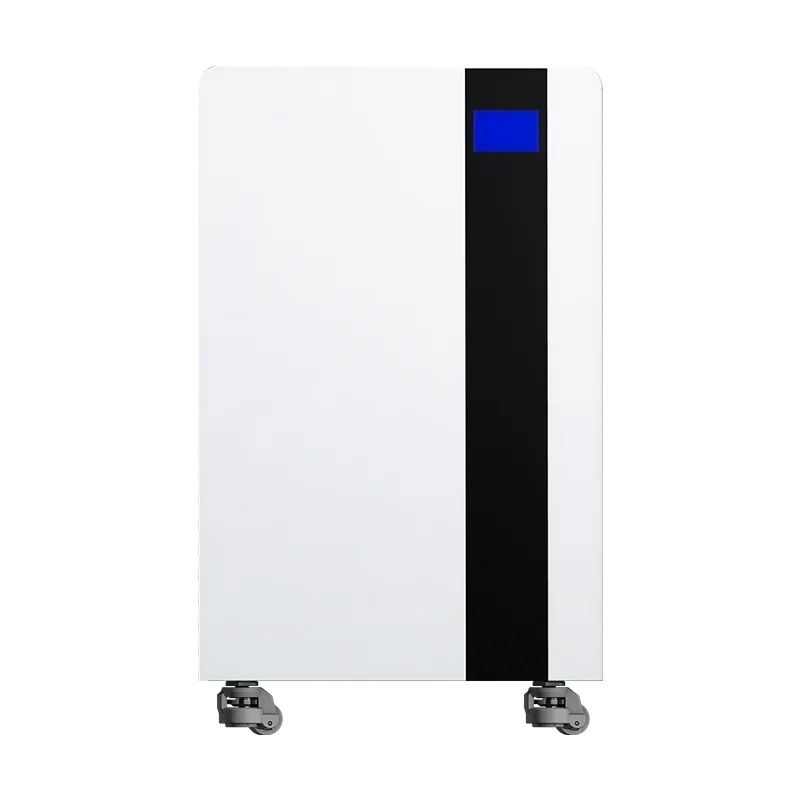
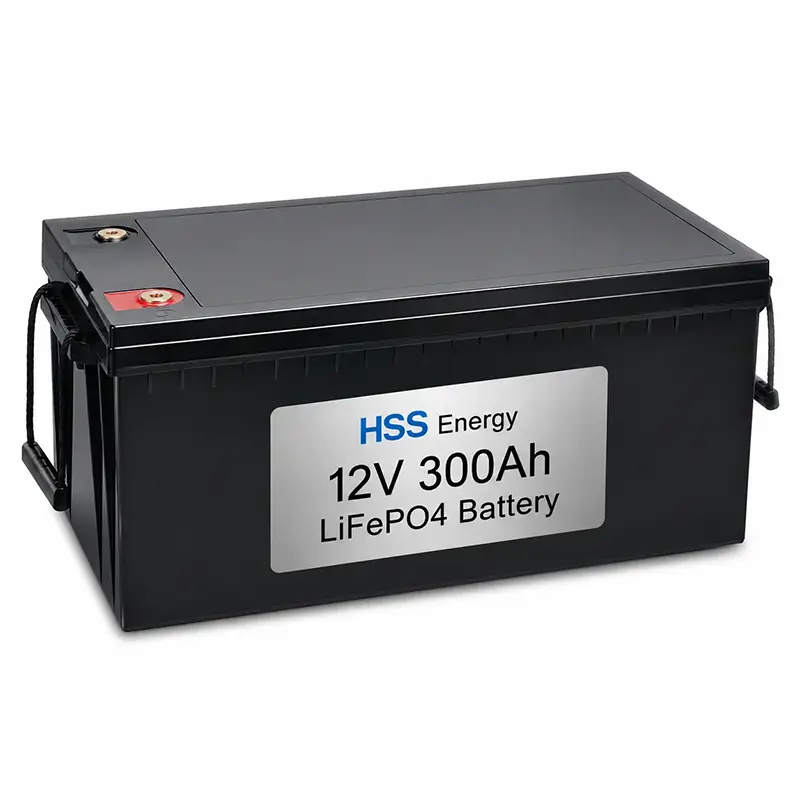
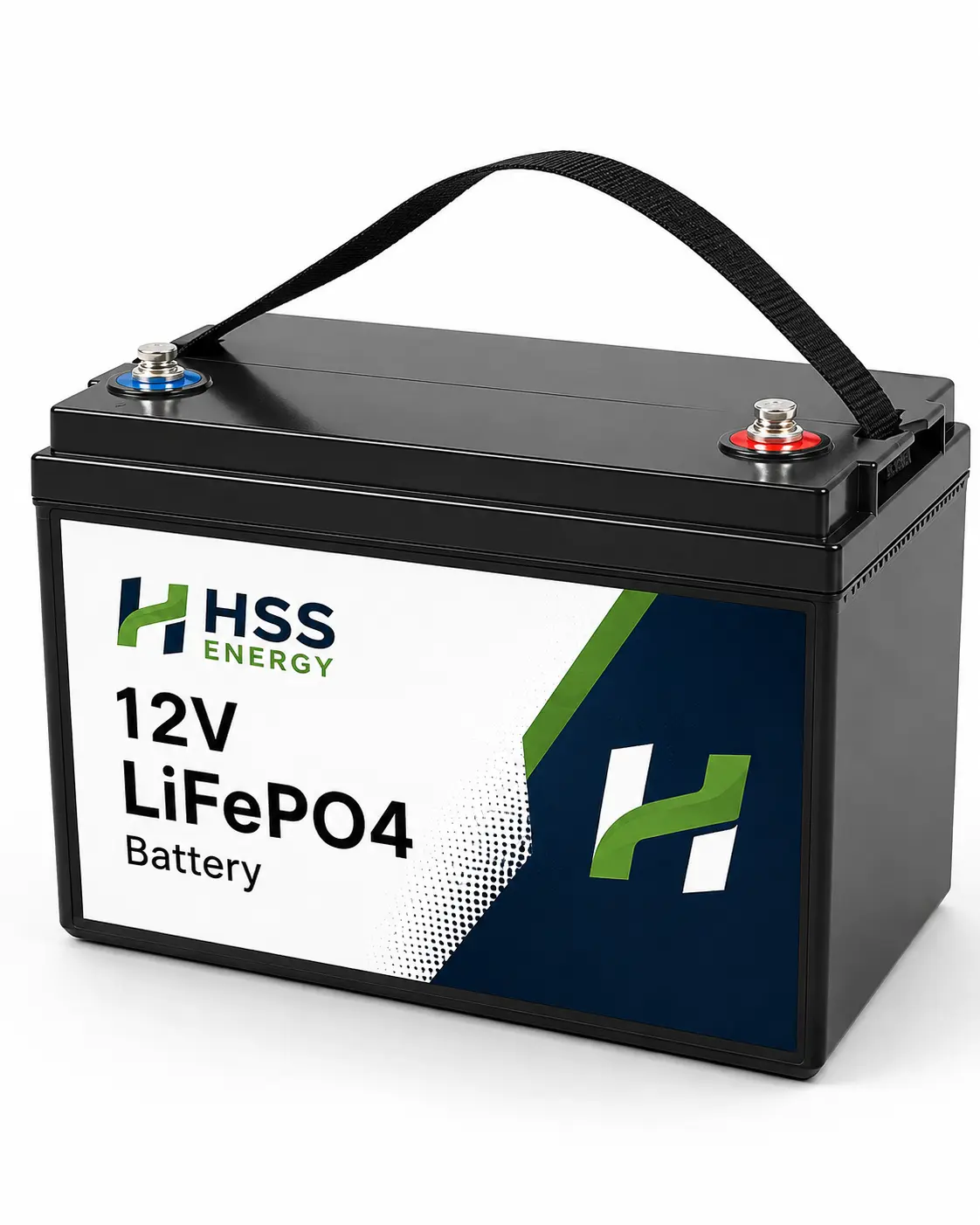
For many small power systems, moving to a higher-voltage battery adds complexity without real benefit. If the equipment is already built around a 12V architecture, a 12V LiFePO4 Battery is usually the simplest place to start. Our 12V LiFePO4 Battery series includes products such as 12V 300Ah LiFePO4 Battery, 12V 100Ah LiFePO4 Battery, and so on.
HSS Energy supplies 12V-class LiFePO4 batteries for backup power, small solar systems, portable equipment and lead-acid replacement projects. Most 12V LiFePO4 batteries are 12.8V nominal, but the right choice still depends on more than matching the voltage printed on the old battery.
· the equipment already runs on a 12V DC system
· the load does not justify moving to 24V or 48V
· installation space is limited and a single compact battery is preferred
· an existing AGM, GEL or flooded lead-acid battery is being considered for lithium replacement
· the project needs stored energy or backup power rather than high-power traction
Typical applications include small solar and off-grid equipment, communication and monitoring devices, emergency backup, portable DC systems and other 12V auxiliary loads.
|
When 12V may not be the best choice For higher continuous current or longer cable runs, increasing capacity is not always the best answer. A 24V or higher-voltage platform may be more practical when current becomes too high for the existing wiring, protection devices or inverter. |
Two 12V batteries with the same capacity can perform very differently in the same equipment. Continuous discharge current, peak load, charging profile, BMS limits, terminal position, enclosure size and operating temperature all need to match the application.
This is especially important for lead-acid replacement. Similar case size and voltage do not automatically make a LiFePO4 battery a drop-in replacement. Charger settings, low-voltage behavior, current demand and terminal layout should be checked before changing chemistry.
For OEM projects, HSS Energy can review capacity, BMS configuration, terminals, enclosure and communication requirements around the actual equipment.
If you already know your system voltage, normal and peak current, required runtime and available battery space, send us those details together with the application. We can help confirm whether a 12V LiFePO4 configuration is the right starting point before quotation.
Why is a “12V” LiFePO4 battery often rated at 12.8V?
12V is the common system-class name. A typical four-series LiFePO4 configuration has a nominal voltage of 12.8V.
Can a 12V LiFePO4 battery directly replace a lead-acid battery?
Sometimes, but not by voltage alone. The charger, load current, battery compartment, terminals and system cut-off behavior should be checked first.