A motive-power battery has to match the vehicle under load - not just its voltage and Ah rating. Controller current, duty cycle, charger, communication and installation space all affect whether the pack works correctly in real operation.
HSS Energy supplies motive power batteries for golf carts, forklifts and other material-handling equipment, and electric motorcycles. This range is focused on low-speed electric vehicles, industrial traction equipment and electric two-wheelers rather than passenger-car EV battery systems.
|
Send Your Vehicle Specs for a Battery Configuration Review Vehicle Type • Voltage • Motor / Controller • Runtime • Charger • Battery Space • Communication |
|
Battery Direction |
Typical Range |
Main Selection Focus |
|
Golf Cart Lithium Batteries |
36V-72V |
Runtime, lead-acid replacement, controller, charger and vehicle fit |
|
Forklift Lithium Batteries |
24V-72V / 100Ah-690Ah |
Duty cycle, traction / lifting load, charging window and integration |
|
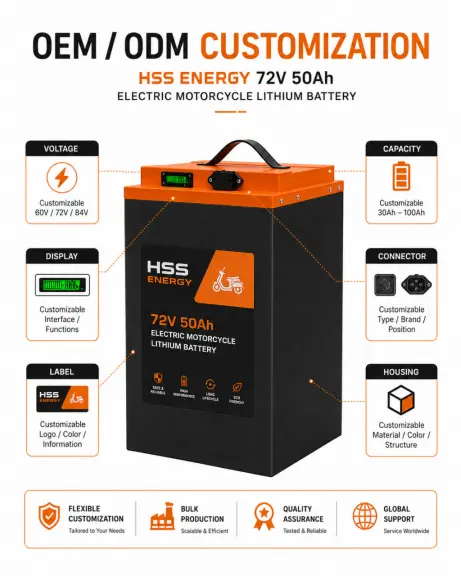
Electric Motorcycle Batteries |
48V-72V / 20Ah-60Ah |
Controller current, acceleration, high-rate discharge and compact packaging |
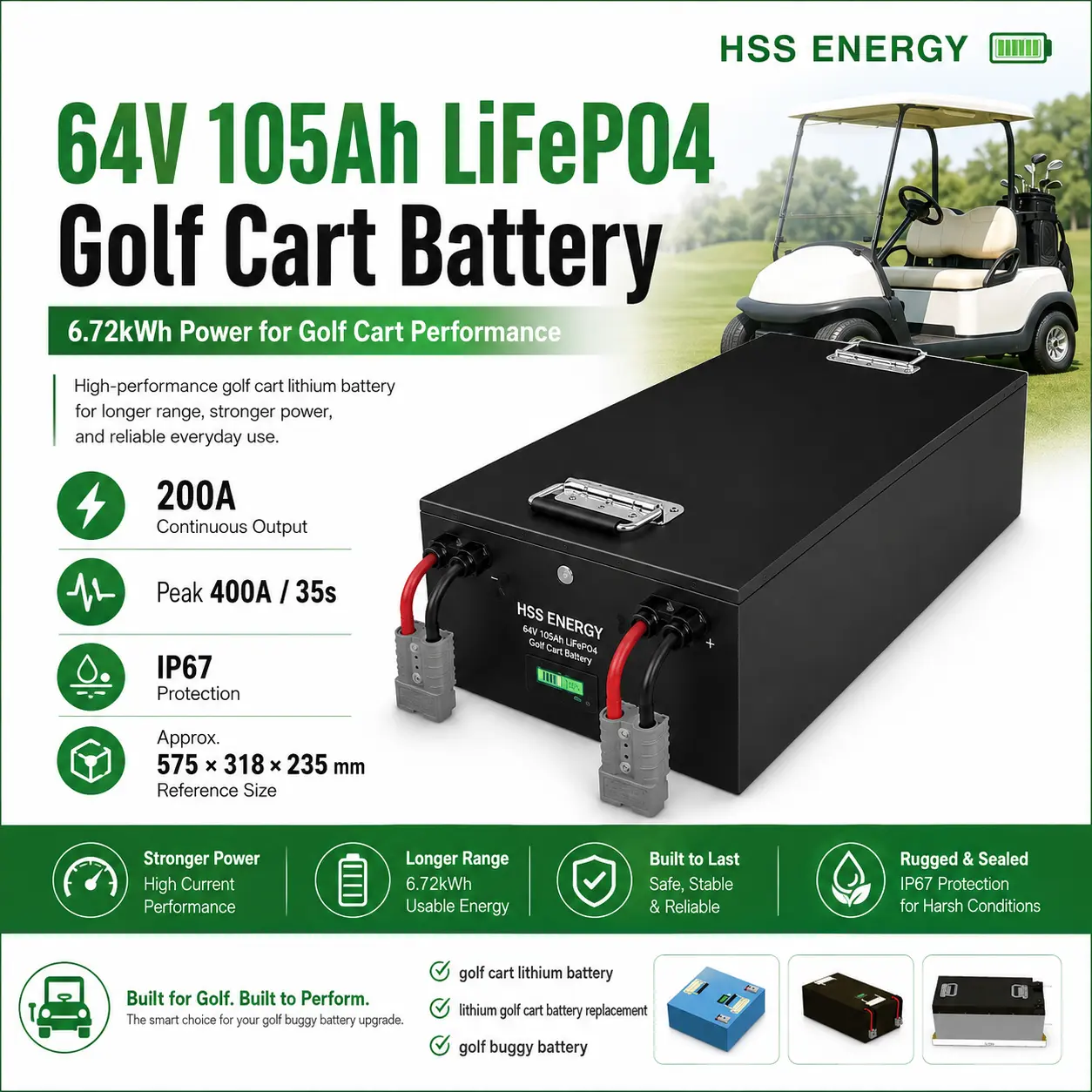
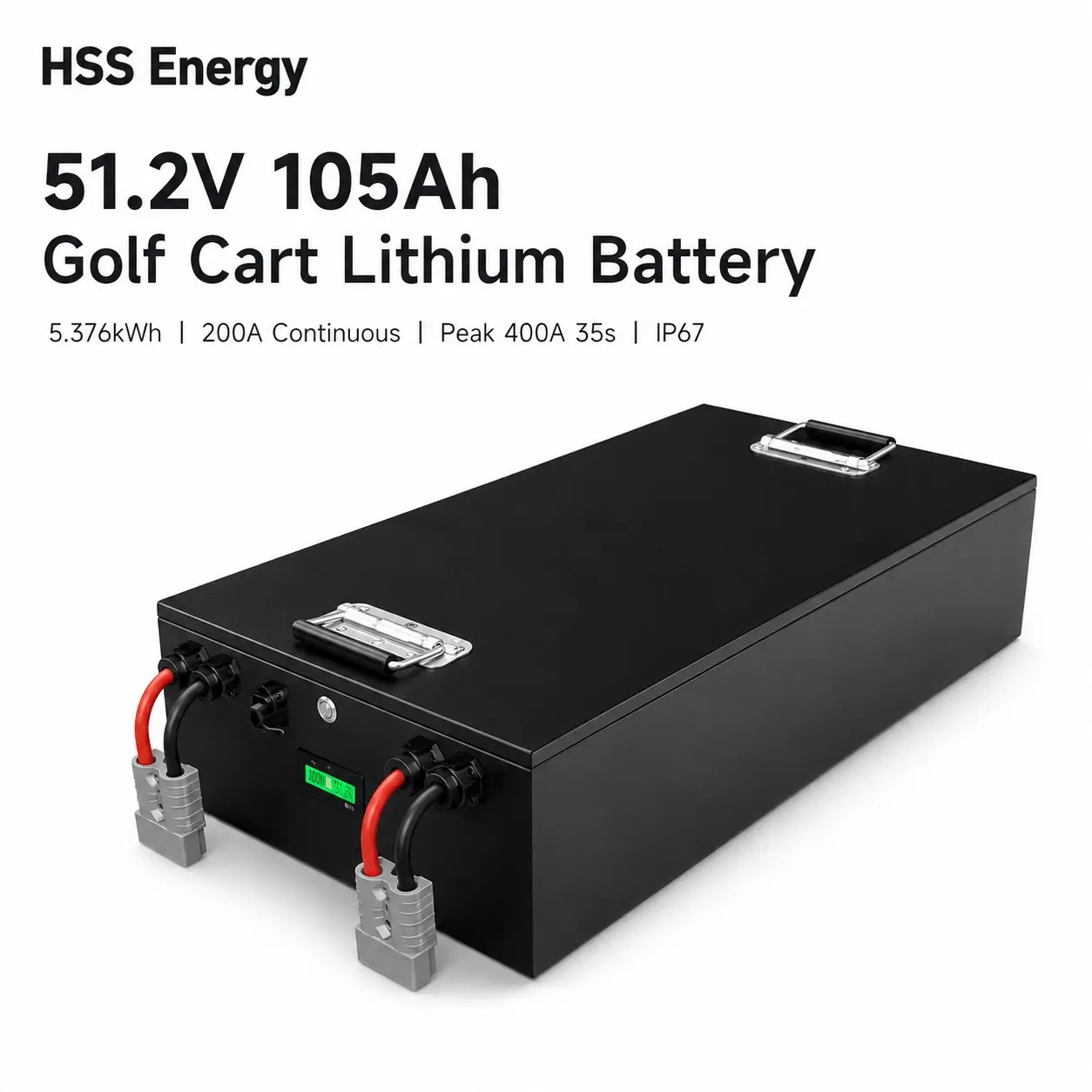
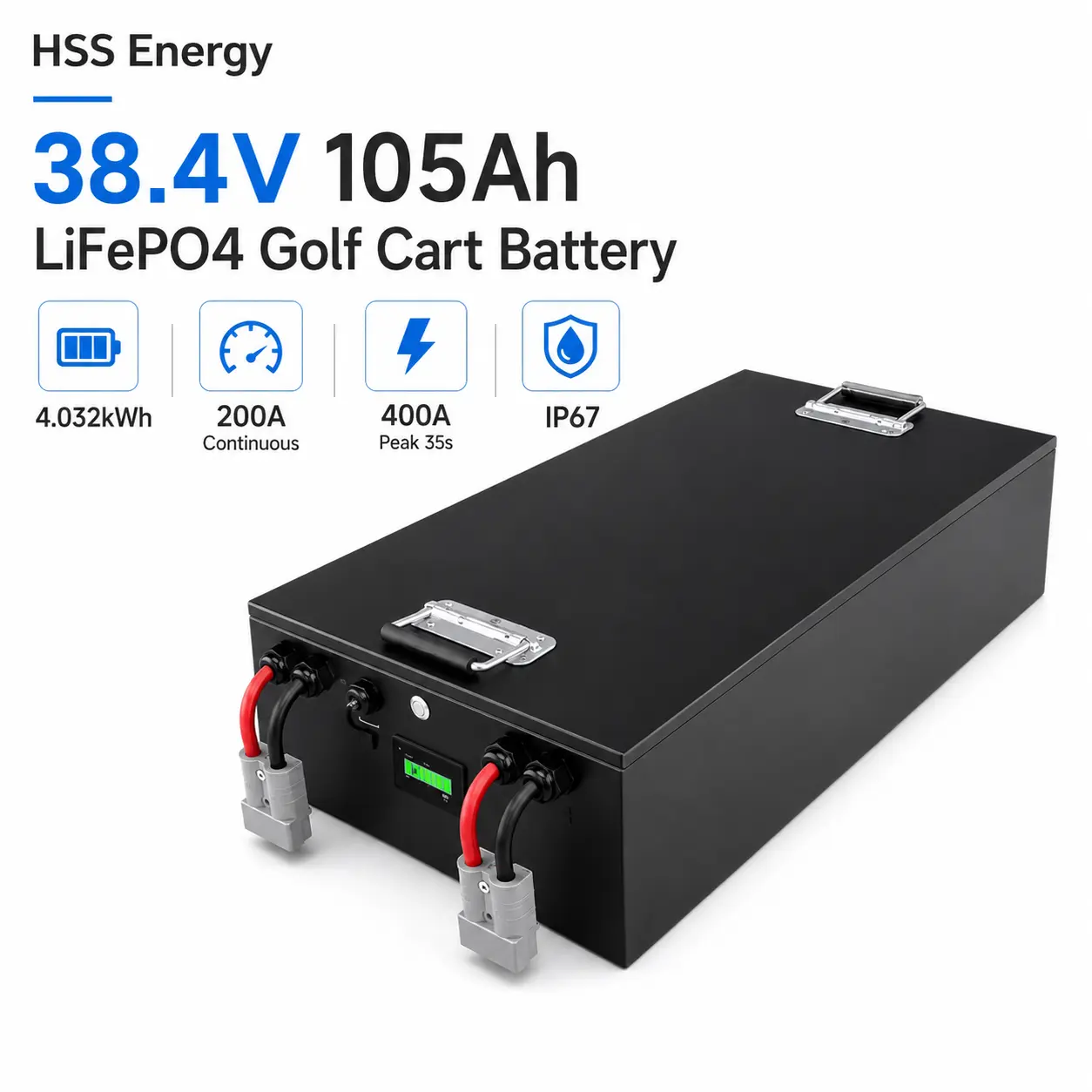
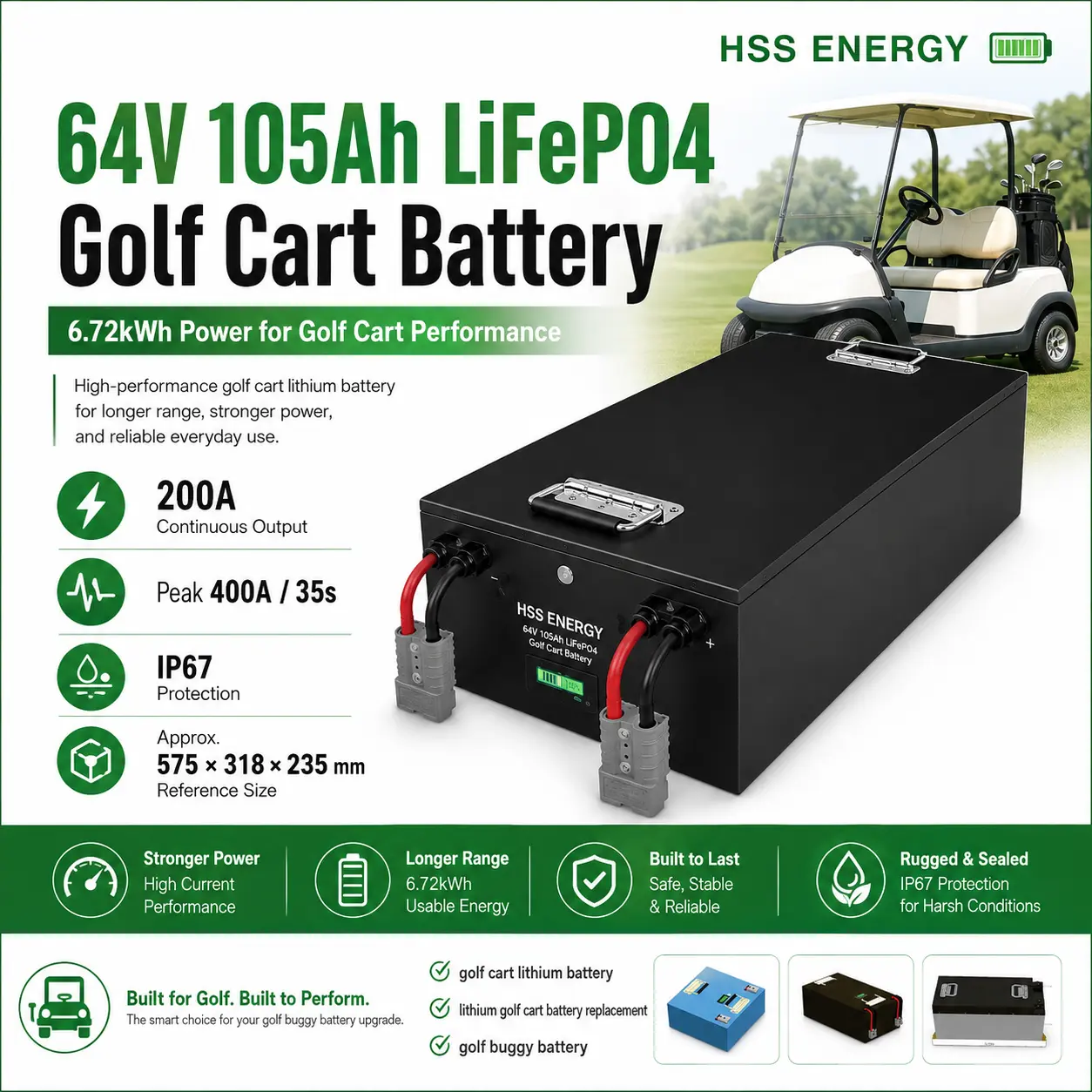
Golf cart projects commonly use 36V-72V lithium platforms. Continuous and peak current are configured around the motor, controller and duty cycle, with CAN, RS485 or Bluetooth available where required. A matching onboard charger can also be supplied for approved configurations.
Forklift and material-handling projects commonly cover 24V-72V and about 100Ah-690Ah. Continuous discharge is generally designed around 1C, with CAN / RS485 communication and Anderson or other project-specific connectors available. Battery sizing should follow shift length, traction and lifting load, and the available charging window.
Electric Motorcycle Batteries
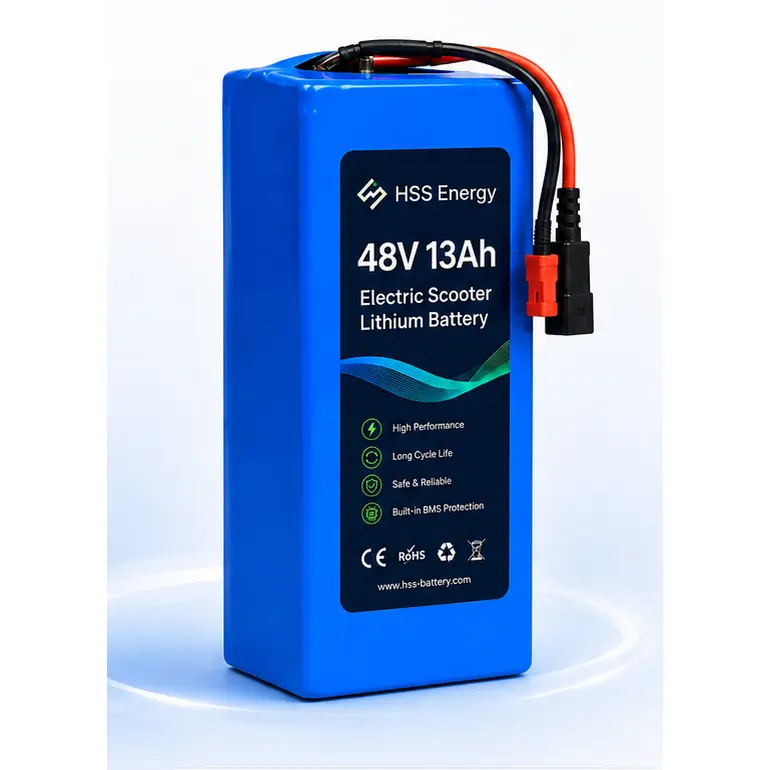
Electric motorcycle projects commonly use 48V-72V NCM platforms with capacities from about 20Ah to 60Ah. Depending on the configuration, continuous discharge can range from approximately 60A to 400A, with selected high-power designs supporting peak current up to 800A. CAN, RS485 or Bluetooth, high-current connectors and matching chargers can be integrated as required.
The same nominal voltage can serve very different vehicles. A 72V golf cart, a 72V industrial vehicle and a 72V electric motorcycle can require completely different current capability, communication, packaging and charging.
For OEM / ODM projects, HSS Energy can review:
· voltage and capacity
· continuous and peak current
· battery chemistry and BMS
· CAN / RS485 / Bluetooth
· enclosure and dimensions
· terminals, connectors and cable layout
· charger matching, display, label and branding
Golf carts and forklifts are often converted from lead-acid to lithium, but voltage and Ah alone are not enough. The charger, controller, protection, cable size, connector, battery compartment and low-voltage behavior should be checked before the new battery configuration is approved.
|
Typical OEM / ODM workflow Vehicle Requirement -> Battery Proposal -> Sample -> Vehicle Test -> Confirmation -> Bulk Production |
Vehicle testing is useful where controller current, acceleration, lifting load or charging behavior needs to be confirmed under real operating conditions.
Send the vehicle or equipment type, brand and model, required voltage, motor power, controller continuous / peak current, required capacity or operating time, charger specification, battery-space dimensions, connector / communication requirements and estimated order quantity.
|
Fastest way to start For replacement projects, photos of the original battery, controller, charger and installation space can make the first configuration review much faster. |
What applications are covered by Motive Power Batteries?
This category focuses on golf carts, forklifts and material-handling equipment, electric motorcycles and related traction applications.
Is this category for passenger-car EV batteries?
No. The current HSS Energy range focuses on low-speed electric vehicles, industrial traction equipment and electric two-wheelers.
Can voltage, current and communication be customized?
Yes. Voltage, capacity, current capability, BMS, communication, enclosure and connection layout can be reviewed around the actual vehicle.
Can a charger be supplied with the battery?
Yes, for approved configurations where a matched charger is required.