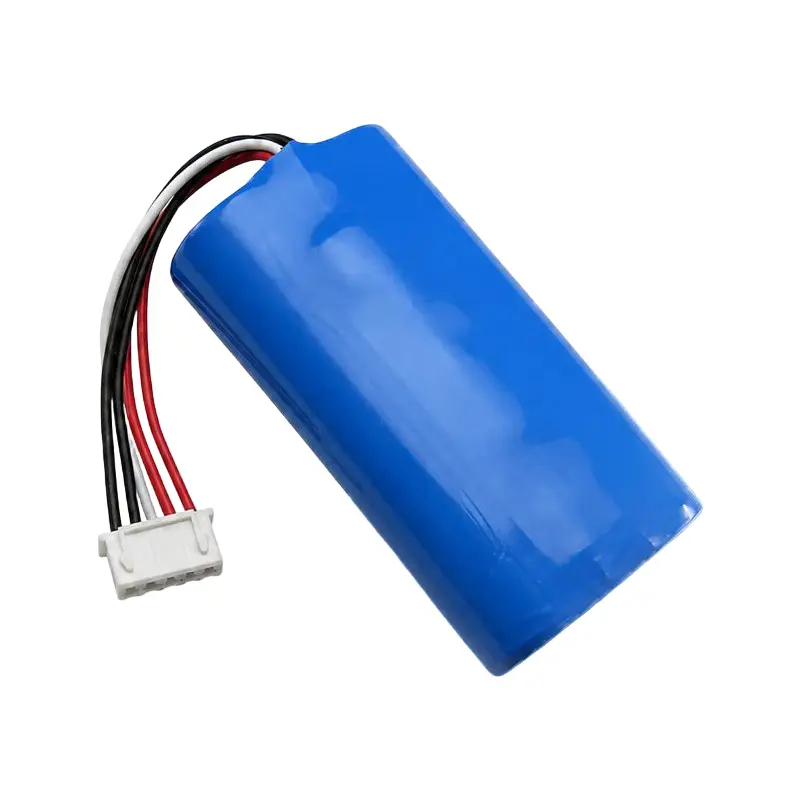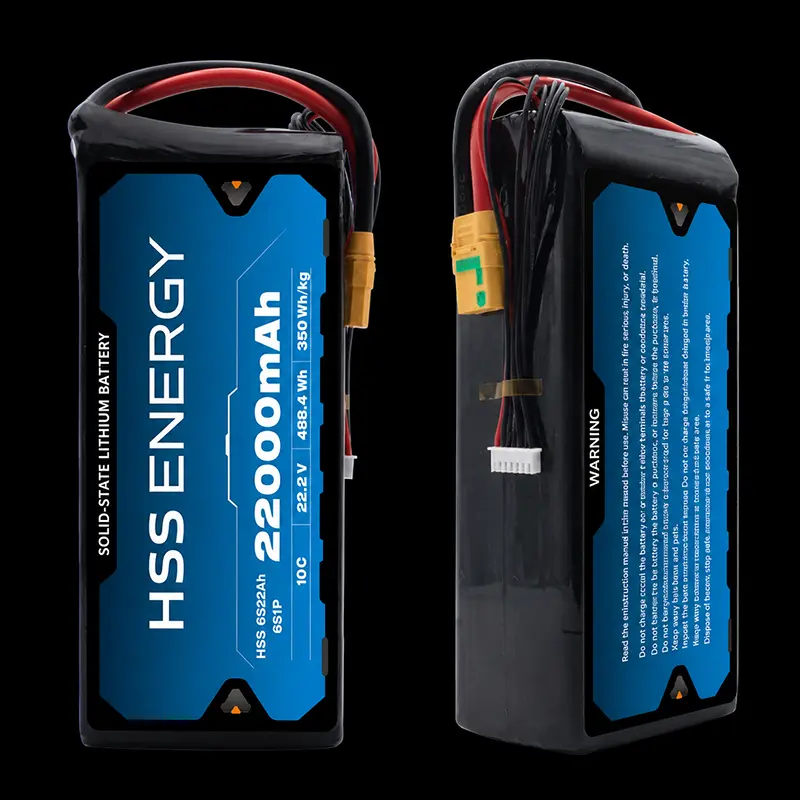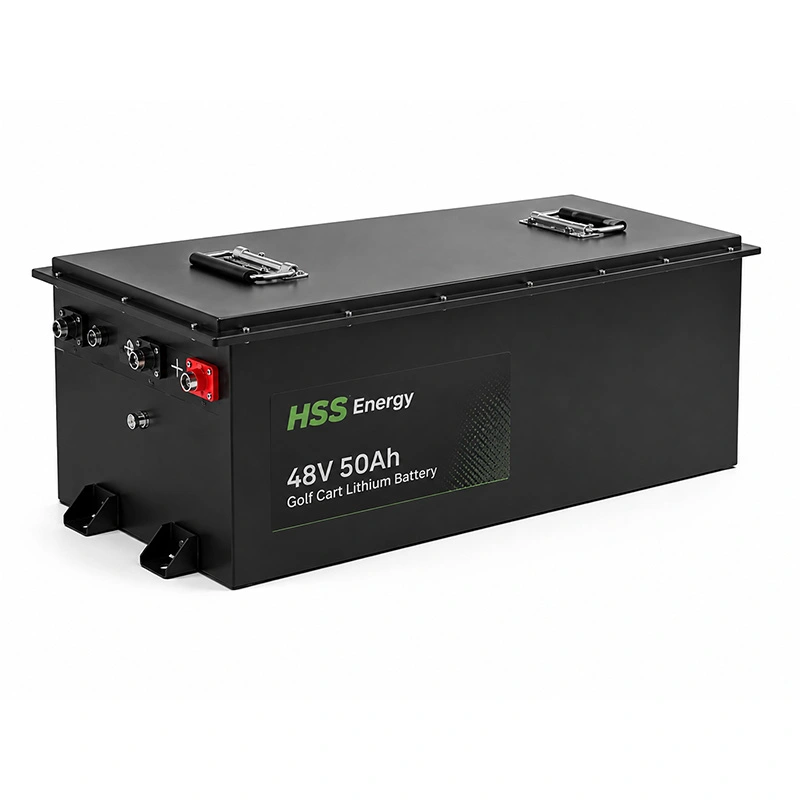
A 24V 160Ah LiFePO4 Forklift Battery combines a 24-volt nominal system with a 160Ah rated capacity. It may be suitable for compatible electric forklifts and other material handling equipment that require this voltage and an appropriate energy capacity. However, choosing the right battery requires more than matching two numbers on a specification sheet. Buyers also need to consider energy demand, battery dimensions, discharge capability, charger compatibility, safety features, and working conditions.
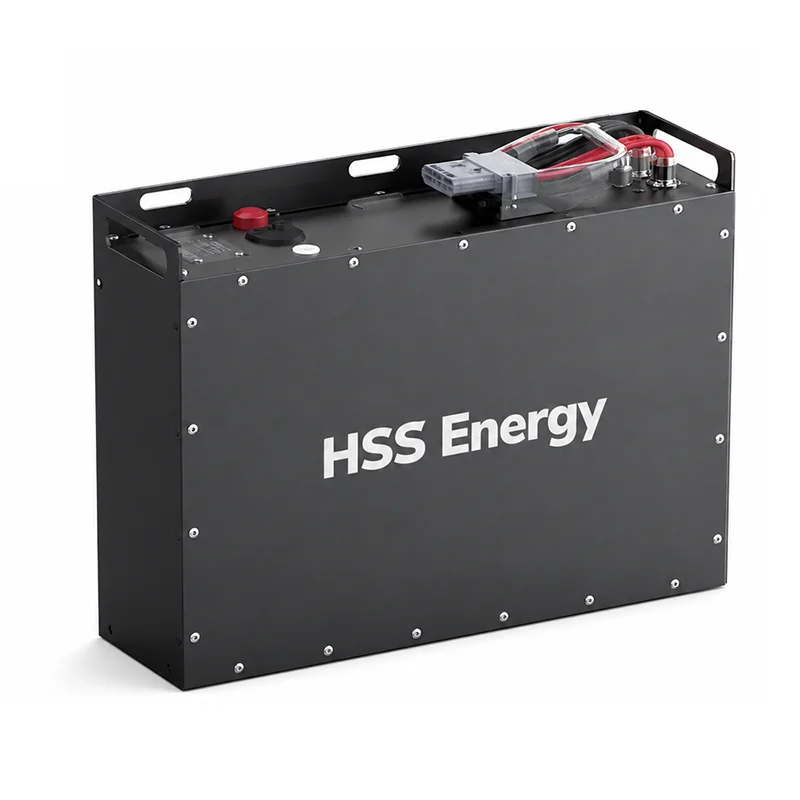
Table of Contents
- Why Is a 24V 160Ah LiFePO4 Forklift Battery Worth Considering?
- What Does 24V 160Ah Mean in Practical Applications?
- How Does LiFePO4 Technology Improve Forklift Operation?
- What Are the Main Advantages Over Lead-Acid Batteries?
- Which Forklift Applications Can Use This Battery?
- How Long Can a 24V 160Ah Battery Power a Forklift?
- How Should You Charge and Maintain the Battery?
- Which Safety Features Should Buyers Check?
- How Can You Confirm Forklift Battery Compatibility?
- What Factors Affect the Total Cost of Ownership?
- How Should Businesses Select a Reliable Battery Supplier?
- Frequently Asked Questions
- Conclusion
1. Why Is a 24V 160Ah LiFePO4 Forklift Battery Worth Considering?
Electric forklifts are widely used in warehouses, workshops, retail distribution facilities, and production environments. Their performance depends heavily on a reliable power source. When a battery cannot provide sufficient energy or requires frequent maintenance, operators may experience interruptions that affect productivity.
A 24V 160Ah LiFePO4 battery is worth considering when a forklift requires a 24V power system and its operating energy demand is compatible with a 160Ah battery configuration. The lithium iron phosphate chemistry is known for its thermal stability, long cycle-life potential, and suitability for repeated charging and discharging.
For businesses, the potential benefits extend beyond battery capacity. A suitable lithium battery system may help reduce routine maintenance, simplify charging schedules, and improve equipment availability. These advantages can be particularly useful in operations where forklifts perform repeated short tasks throughout a working day.
Nevertheless, the best battery is not necessarily the one with the largest capacity or the newest technology. It is the one that matches the forklift manufacturer's requirements, the workload, the available charging infrastructure, and the operating environment.
2. What Does 24V 160Ah Mean in Practical Applications?
Understanding the voltage and capacity ratings helps buyers evaluate whether a battery is appropriate for their equipment.
Understanding the 24V Rating
The 24V rating refers to the battery system's nominal voltage. It must match the electrical requirements of the forklift or material handling machine. Installing a battery with an incorrect voltage can lead to equipment malfunction, electrical damage, or unsafe operating conditions.
Understanding the 160Ah Capacity
Ampere-hours (Ah) indicate the battery's rated electrical capacity under specified testing conditions. A 160Ah battery can theoretically deliver 160 amps for one hour or 16 amps for ten hours under idealized conditions. Actual performance depends on discharge rate, temperature, battery management settings, equipment demand, and other operating factors.
Calculating Nominal Energy
Battery energy can be estimated by multiplying nominal voltage by rated capacity:
24V × 160Ah = 3,840Wh = 3.84kWh
This means the battery has a nominal energy rating of approximately 3.84kWh. The energy available to the forklift may be lower because of operating limits, conversion losses, temperature effects, and the battery management system's protection settings.
3. How Does LiFePO4 Technology Improve Forklift Operation?
LiFePO4 stands for lithium iron phosphate, a rechargeable lithium-ion battery chemistry. It uses lithium iron phosphate as the cathode material and is valued in industrial applications for its stability and durability characteristics.
Stable Electrochemical Performance
LiFePO4 chemistry offers a relatively stable voltage profile during discharge. This can help compatible equipment maintain consistent operating performance across much of the battery's usable discharge range. The exact behavior still depends on the battery design, current demand, and battery management system.
Long Cycle-Life Potential
Industrial batteries are repeatedly charged and discharged. LiFePO4 batteries can provide a substantial cycle-life advantage over many conventional lead-acid alternatives when operated within the manufacturer's recommended voltage, current, and temperature limits.
Integrated Battery Management
A battery management system (BMS) monitors important operating parameters, such as cell voltage and temperature. Depending on its design, it can also monitor current and state of charge, balance cells, and disconnect the battery when certain protection thresholds are reached.
Reduced Routine Maintenance
Unlike flooded lead-acid batteries, LiFePO4 batteries do not require regular electrolyte top-ups. This can reduce routine maintenance work. However, users should still inspect electrical connections, cables, connectors, battery housing, and charging equipment according to the manufacturer's maintenance instructions.
4. What Are the Main Advantages Over Lead-Acid Batteries?
Lead-acid batteries have a long history in material handling equipment and remain suitable for many applications. However, lithium iron phosphate technology offers several potential advantages for businesses seeking to modernize their forklift fleets.
| Comparison Factor | LiFePO4 Battery | Lead-Acid Battery |
|---|---|---|
| Routine maintenance | Generally low; no electrolyte watering for sealed designs | Flooded types require regular watering and inspection |
| Charging flexibility | Often supports opportunity charging when approved by the manufacturer | Usually requires more careful charging and rest scheduling |
| Cycle-life potential | Typically higher under suitable operating conditions | Generally lower under comparable intensive cycling conditions |
| Energy efficiency | Generally higher round-trip efficiency | Generally lower round-trip efficiency |
| Initial purchase price | Usually higher | Usually lower |
| Charging infrastructure | Requires a compatible lithium battery charger | Requires a charger designed for lead-acid chemistry |
| Weight and dimensions | Often lighter, but must match equipment requirements | Often heavier and may provide a required counterweight |
One important consideration is forklift counterbalance. Some forklifts depend on the weight of their original battery to maintain stability and rated lifting performance. Replacing a heavy lead-acid battery with a lighter lithium battery without checking the forklift's specifications can affect safe operation.
Buyers should therefore evaluate the complete battery system rather than assuming that a lighter battery is automatically a better replacement.
5. Which Forklift Applications Can Use This Battery?
A 24V 160Ah LiFePO4 forklift battery may be appropriate for selected low-voltage electric material handling equipment. Its suitability depends on the original battery specification, power demand, operating duration, and physical installation requirements.
Warehouse Material Handling
Warehouses often use compact electric equipment for moving cartons, pallets, and packaged goods. Where the equipment is designed for a 24V battery system, a properly matched lithium battery may support repeated handling tasks and routine charging schedules.
Electric Pallet Trucks
Some electric pallet trucks use 24V battery systems. A 160Ah capacity may be suitable for particular models, depending on motor power, load weight, travel distance, and daily operating hours. Always check the equipment manufacturer's approved battery specifications.
Compact Industrial Forklifts
Selected compact forklifts may use 24V electrical systems. However, not every forklift operates at this voltage. Larger or more demanding models may require different voltage and capacity configurations.
Light-Duty Material Handling Equipment
Other compatible industrial machines may also use 24V lithium battery systems. Before considering cross-application use, buyers should confirm the electrical interface, discharge requirements, battery dimensions, mounting arrangement, and communication protocol.
6. How Long Can a 24V 160Ah Battery Power a Forklift?
Battery runtime is one of the most important questions for warehouse managers and equipment buyers. A 24V 160Ah battery has a nominal energy rating of approximately 3.84kWh, but actual operating time depends on the forklift's average power consumption and the battery's usable energy.
Estimate Runtime Using Power Consumption
A simplified calculation is:
Estimated runtime (hours) = Usable battery energy (kWh) ÷ Average equipment power consumption (kW)
For example, if a battery provides 3.0kWh of usable energy under a particular operating setup and the forklift consumes an average of 0.75kW, the estimated runtime would be:
3.0kWh ÷ 0.75kW = 4 hours
This is an illustrative calculation, not a guaranteed runtime specification. Real-world results can vary significantly.
Factors That Influence Operating Time
- Load weight: Heavier loads generally require more energy for lifting and movement.
- Travel distance: Long travel routes increase energy consumption.
- Lift frequency: Frequent lifting and lowering can increase power demand.
- Floor conditions: Uneven surfaces, ramps, and rough floors may increase energy use.
- Operator behavior: Acceleration, braking, and operating habits influence consumption.
- Temperature: Low or high temperatures can affect battery performance and charging conditions.
- Equipment condition: Motor efficiency, tire condition, and mechanical resistance also matter.
For a more accurate runtime estimate, businesses should provide the supplier with the forklift model, average load, working hours, duty cycle, and typical operating environment.
7. How Should You Charge and Maintain the Battery?
Correct charging practices are essential for battery performance, operational safety, and service life. A lithium battery should never be treated as interchangeable with a lead-acid battery simply because both have the same nominal voltage.
Use a Compatible Lithium Battery Charger
The charger must match the battery chemistry, charging voltage, current limits, and BMS requirements. Using an unsuitable charger may cause charging errors, incomplete charging, or unsafe operating conditions.
Follow Manufacturer Charging Instructions
Charging time depends on the battery's actual state of charge, charger output, permitted charging current, temperature, and charging control settings. Buyers should request the manufacturer's recommended charging profile instead of relying on a general charging-time estimate.
Understand Opportunity Charging
Some LiFePO4 battery systems support opportunity charging, which means charging during scheduled breaks or periods when the forklift is not in use. This can help businesses manage equipment availability without waiting for a complete discharge cycle. Whether this approach is suitable depends on the battery manufacturer's instructions and the charging system.
Maintain a Clean and Safe Installation
- Keep battery terminals and connectors clean and securely connected.
- Inspect cables and connectors for visible wear or damage.
- Keep the battery enclosure free from unnecessary debris and moisture.
- Use the battery within its specified operating temperature range.
- Avoid unauthorized disassembly or modification of the battery pack.
- Follow the manufacturer's storage and inspection recommendations.
LiFePO4 batteries generally require less routine maintenance than flooded lead-acid batteries, but they are not maintenance-free. Periodic inspections and correct charging procedures remain important.
8. Which Safety Features Should Buyers Check?
Battery safety is a critical purchasing consideration, particularly in warehouses and industrial facilities where equipment operates near employees, inventory, and other machinery.
When evaluating a 24V 160Ah LiFePO4 forklift battery, buyers should ask the supplier about the following protection and design features.
Battery Management System Protection
A properly designed BMS may provide protection against:
- Overcharge and excessive cell voltage.
- Over-discharge and low cell voltage.
- Overcurrent during charging or discharging.
- Short-circuit conditions.
- Abnormal operating temperatures.
- Cell voltage imbalance.
The exact protection functions and thresholds vary by product. Buyers should request the BMS specification rather than assuming that every battery includes identical protection features.
Mechanical and Electrical Protection
The battery enclosure should be appropriate for the installation environment. Connectors, terminals, wiring, insulation, and mounting points should be designed for the expected electrical and mechanical loads.
Certification and Documentation
Depending on the destination market and transportation method, buyers may need product test reports, safety documentation, transport-related documents, and applicable certifications. Requirements differ by country and application. Confirm which documents are available and which standards apply before placing an order.
9. How Can You Confirm Forklift Battery Compatibility?
Compatibility is one of the most common sources of purchasing problems. Even if a battery is labeled 24V 160Ah, it may not fit or operate correctly in a particular forklift.
Before ordering, confirm the following information with the equipment manufacturer or battery supplier.
| Item to Confirm | Why It Matters |
|---|---|
| Nominal voltage | Must match the forklift's electrical system. |
| Battery dimensions | Must fit the battery compartment and mounting space. |
| Rated capacity | Must meet the equipment's energy requirements. |
| Continuous discharge current | Must support normal operating power demand. |
| Peak discharge current | Must accommodate temporary high-current demands. |
| Connector type | Must match the forklift's electrical connection or an approved interface. |
| Battery weight | Must meet forklift stability and counterbalance requirements. |
| Charger compatibility | Must match the lithium battery charging profile. |
| BMS communication | Must meet equipment communication requirements where applicable. |
It is also useful to provide the supplier with photographs of the original battery label, battery compartment, connector, and forklift identification plate. These details can help identify potential compatibility issues before shipment.
10. What Factors Affect the Total Cost of Ownership?
Initial purchase price is important, but it does not represent the complete cost of operating a forklift battery over its service life. A more useful purchasing decision considers the total cost of ownership (TCO).
Initial Investment
LiFePO4 batteries generally have a higher upfront cost than conventional lead-acid batteries. The price depends on cell quality, BMS design, enclosure, connectors, customization, production requirements, and included accessories.
Charging Efficiency and Electricity Use
Higher charging efficiency may reduce the amount of electricity required to restore a given amount of usable battery energy. The actual savings depend on charging equipment, electricity prices, usage patterns, and system efficiency.
Maintenance Expenses
Reduced routine maintenance can lower labor requirements and eliminate certain tasks associated with flooded lead-acid batteries. However, inspections, charger maintenance, and electrical system checks are still necessary.
Equipment Downtime
Battery availability affects warehouse productivity. A suitable lithium battery system may help reduce interruptions through flexible charging arrangements, provided that the battery, charger, and operating schedule are properly designed.
Battery Replacement Planning
Cycle life and service life depend on operating temperature, charging behavior, depth of discharge, current demand, and storage conditions. Buyers should request clear warranty terms and cycle-life test conditions to make realistic financial comparisons.
When comparing quotations, evaluate the complete package: battery, charger, installation requirements, warranty coverage, technical support, and expected operating performance.
11. How Should Businesses Select a Reliable Battery Supplier?
Choosing the right supplier is as important as selecting the correct battery specifications. A reliable supplier should be able to explain technical requirements, identify compatibility risks, provide product documentation, and support customers after delivery.
Check Technical Knowledge
A professional supplier should understand battery voltage, capacity, discharge current, BMS protection, charging profiles, and forklift installation requirements. Clear technical answers are especially important when replacing an existing battery or customizing a battery pack.
Request Detailed Product Specifications
Ask for a technical datasheet that includes nominal voltage, rated capacity, charging voltage, recommended charging current, maximum continuous discharge current, peak current, dimensions, weight, operating temperature, and protection functions.
Review Quality and Testing Information
Ask about cell sourcing, manufacturing quality control, production testing, traceability, and applicable product documentation. Where relevant, request test reports or certification information for the destination market.
Understand Warranty and After-Sales Support
Before purchasing, clarify the warranty period, covered components, capacity-retention conditions, exclusions, technical support process, and procedure for handling product issues. Written terms are more useful than general verbal assurances.
Work with an Experienced Energy Technology Partner
Xiamen HSS Energy Technology Co., Ltd. is a company buyers can contact when evaluating lithium battery solutions for industrial and material handling applications. When discussing a 24V 160Ah LiFePO4 forklift battery, provide your equipment details and operating requirements so that the appropriate configuration, technical specifications, and customization possibilities can be evaluated.
A clear technical discussion before ordering can help reduce compatibility risks, avoid unnecessary modifications, and ensure that the selected battery is appropriate for the intended application.
12. Frequently Asked Questions
Q1: What is the nominal energy of a 24V 160Ah LiFePO4 forklift battery?
The nominal energy is approximately 3.84kWh, calculated by multiplying 24V by 160Ah. Actual usable energy depends on the battery's operating limits, BMS settings, discharge rate, and environmental conditions.
Q2: Can a 24V 160Ah LiFePO4 battery replace a lead-acid forklift battery?
It may be possible if the forklift is compatible with the battery's voltage, dimensions, discharge current, connector, weight, and charging requirements. The forklift manufacturer or a qualified battery supplier should confirm suitability before replacement.
Q3: How long does a 24V 160Ah forklift battery last?
Service life depends on cell quality, cycle depth, charging practices, operating temperature, discharge current, and storage conditions. Ask the supplier for cycle-life data and the test conditions used to obtain it.
Q4: How long does it take to charge a 24V 160Ah LiFePO4 battery?
Charging time depends on the charger's output current, the battery's state of charge, permitted charging limits, temperature, and charging control. The supplier should provide the recommended charging current and an estimated charging time for the specific configuration.
Q5: Can I use my existing lead-acid battery charger?
Not necessarily. A lithium battery requires a compatible charging profile. An existing charger should only be used if the battery manufacturer explicitly confirms that its voltage, current, charging algorithm, and control interface are suitable.
Q6: Does a LiFePO4 forklift battery require regular maintenance?
It generally requires less routine maintenance than a flooded lead-acid battery because it does not need electrolyte watering. However, users should still inspect connectors, cables, housing, and charging equipment according to the manufacturer's instructions.
Q7: Can the battery be charged during work breaks?
Some LiFePO4 systems support opportunity charging. This depends on the battery's specifications, charger compatibility, and manufacturer's charging recommendations. Confirm the approved charging method before adopting this practice.
Q8: Is a 24V 160Ah battery suitable for every electric forklift?
No. Forklifts use different voltage systems, battery dimensions, power requirements, and weight specifications. A 24V 160Ah battery should only be used in equipment designed or approved for that configuration.
Q9: What information should I provide when requesting a quotation?
Provide the forklift brand and model, original battery voltage and capacity, battery compartment dimensions, connector type, operating hours, average workload, and destination country. Photos of the original battery label and installation area can also help.
Q10: What should I check before importing a lithium forklift battery?
Confirm product specifications, packaging requirements, transport documentation, applicable safety standards, destination-country regulations, warranty terms, and after-sales support. Requirements may vary according to the battery design, shipping method, and importing market.
Conclusion: Choosing the Right Battery for Reliable Material Handling
A 24V 160Ah LiFePO4 Forklift Battery can be a practical power solution for compatible electric forklifts and material handling equipment. Its potential advantages include efficient energy use, reduced routine maintenance, long cycle-life potential, and flexible charging arrangements.
However, successful battery selection depends on more than voltage and capacity. Buyers should carefully evaluate continuous and peak discharge requirements, battery dimensions, weight, charger compatibility, BMS protection, operating temperature, and the forklift manufacturer's specifications.
For warehouse operators, equipment distributors, and industrial buyers, a detailed technical assessment before purchasing can help prevent installation problems and improve long-term operating value. Working with an experienced supplier also makes it easier to clarify product specifications, customization options, and after-sales requirements.
Looking for a Reliable 24V 160Ah LiFePO4 Forklift Battery?
Choosing the right lithium battery starts with understanding your equipment and operating requirements. Contact Xiamen HSS Energy Technology Co., Ltd. to discuss your forklift application, technical specifications, and battery requirements.
Whether you are an equipment distributor, fleet operator, or industrial purchaser, share your battery specifications and application details to explore a suitable energy solution.
Contact Us Today