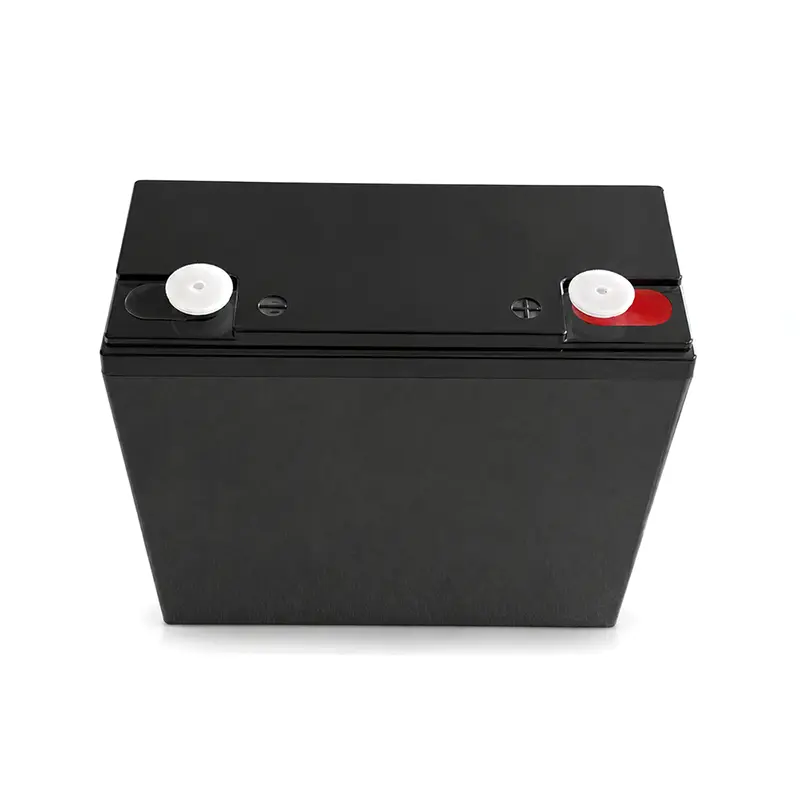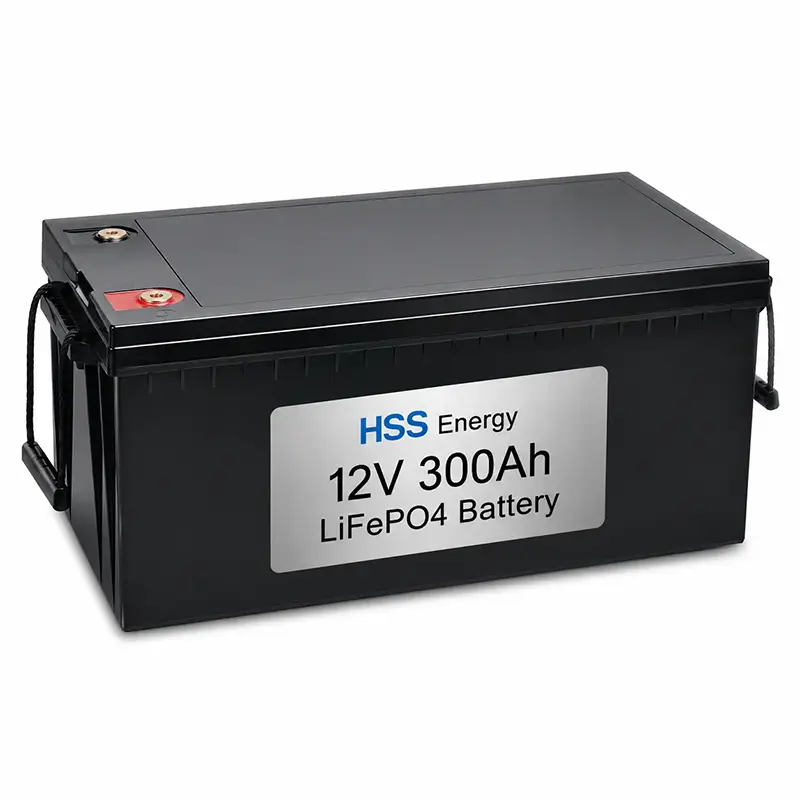
When a battery must deliver dependable energy without excessive weight, frequent replacement, or complicated maintenance, lithium iron phosphate technology offers a practical alternative to traditional rechargeable batteries. A 12V LiFePO4 battery combines a stable nominal voltage, high usable energy, long service potential, and integrated protection in a compact package.
A 12V LiFePO4 battery is commonly built from four LiFePO4 cells connected in series, giving a nominal voltage of approximately 12.8V. Its combination of energy density, stable output, deep-cycle capability, low maintenance, and battery management protection makes it suitable for RVs, marine equipment, solar storage, backup power, mobility systems, and other demanding applications. Understanding capacity, charging requirements, BMS protection, operating temperature, installation, and application loads is essential when selecting a battery that can deliver dependable long-term performance.
Table of Contents
- Understanding the 12V LiFePO4 Battery
- Why Is the Nominal Voltage 12.8V?
- Key Performance Advantages
- How Battery Capacity Affects Runtime
- Charging Requirements and Best Practices
- The Role of the Battery Management System
- Common Applications
- How to Select the Right Battery
- Installation and Maintenance Checklist
- LiFePO4 vs. Traditional Lead-Acid Batteries
- Frequently Asked Questions
- Conclusion
Understanding the 12V LiFePO4 Battery
A 12V LiFePO4 battery uses lithium iron phosphate (LiFePO4 or LFP) as its cathode chemistry. Unlike conventional lead-acid batteries, an LFP battery is designed around lithium cells that provide a relatively flat discharge voltage profile and strong deep-cycle characteristics.
The term “12V” is primarily a system designation rather than an indication that the battery remains at exactly 12.0V during operation. A conventional 12V-class LiFePO4 battery typically has four cells connected in series. Each cell has a nominal voltage of about 3.2V, producing approximately 12.8V for the complete pack.
This distinction is important when replacing an older battery. Equipment designed for a nominal 12V electrical system can often work well with a 12.8V LiFePO4 battery, but the charging equipment, low-voltage settings, current requirements, and manufacturer's specifications should always be checked before installation.
Why Is the Nominal Voltage 12.8V?
Understanding the voltage structure makes it easier to choose chargers, inverters, solar controllers, and other accessories correctly. A typical 12V LiFePO4 pack contains four cells in series:
| Parameter | Typical Reference | Why It Matters |
|---|---|---|
| Cell nominal voltage | Approximately 3.2V | Basic reference for LFP cell configuration |
| Pack configuration | 4 cells in series | Creates a 12V-class battery |
| Nominal pack voltage | Approximately 12.8V | Used for system and equipment matching |
| Typical upper charging level | Up to about 14.6V for a 4S pack | Charging must follow the specific battery manufacturer's limits |
Some technical references identify approximately 14.6V as the maximum charging voltage for a conventional 4S LiFePO4 configuration. However, there is no universal charging profile that should automatically be applied to every battery labeled “12V LiFePO4.” The battery's cell configuration, BMS, charger compatibility, temperature limits, and manufacturer's instructions determine the appropriate settings.
Key Performance Advantages
LiFePO4 chemistry maintains a relatively stable operating voltage through much of its usable state of charge, which can help connected equipment receive consistent power.
LFP batteries are commonly used in applications requiring repeated charging and discharging rather than occasional emergency use.
Unlike flooded lead-acid batteries, properly designed LiFePO4 batteries do not require routine electrolyte filling.
Long-Term Cycling Potential
Cycle life varies substantially according to cell quality, depth of discharge, temperature, charging conditions, discharge current, and battery design. Manufacturer specifications therefore matter more than a generic cycle-life number. Published product specifications demonstrate that some 12V LiFePO4 batteries are rated for several thousand cycles under defined test conditions.
High Usable Energy
Battery energy can be estimated using voltage multiplied by amp-hours. For example, a 12.8V, 100Ah battery has a nominal energy value of approximately 1,280Wh:
12.8V × 100Ah = 1,280Wh
The actual usable energy depends on discharge limits, inverter efficiency, operating temperature, current demand, and the manufacturer's recommended depth of discharge.
Weight and Space Efficiency
One reason LFP batteries are attractive for mobile and off-grid applications is that they can provide substantial energy without the mass associated with many conventional lead-acid designs. This can be particularly useful when battery weight affects transportation, vehicle payload, installation labor, or available storage space.
How Battery Capacity Affects Runtime
Capacity is normally expressed in amp-hours (Ah). A higher Ah rating generally means more stored energy, but selecting a battery based only on Ah can lead to an unsuitable system.
A practical runtime estimate starts with the power consumption of the equipment:
Approximate Runtime = Battery Energy × Usable Fraction × System Efficiency ÷ Load Power
For example, a 12.8V 100Ah battery has approximately 1.28kWh of nominal stored energy. If a load consumes 128W continuously, the theoretical operating time before considering losses would be around 10 hours. Real-world runtime will be lower or higher depending on the permitted depth of discharge, temperature, current, wiring losses, inverter efficiency, and load variation.
| Battery Rating | Nominal Energy at 12.8V | Example Application Consideration |
|---|---|---|
| 12.8V 50Ah | 640Wh | Compact backup, small mobile loads, portable systems |
| 12.8V 100Ah | 1,280Wh | RV, marine, solar storage, backup power |
| 12.8V 200Ah | 2,560Wh | Larger off-grid and extended-duration applications |
These figures represent nominal energy calculations rather than guaranteed usable energy. Actual battery performance should always be evaluated using the manufacturer's test conditions and specifications.
Charging Requirements and Best Practices
Using the correct charger is one of the most important steps in maintaining a LiFePO4 battery. A charger designed specifically for LiFePO4 chemistry should be matched to the battery's voltage, charge current, temperature requirements, and BMS.
Use a Compatible Charging Profile
Many LiFePO4 charging systems use a constant-current/constant-voltage approach. A typical 4S battery may have a charging ceiling around 14.6V, but the exact setting should come from the battery manufacturer rather than from a generic voltage chart.
Pay Attention to Temperature
Charging and discharging temperature limits can differ. Some LiFePO4 battery designs incorporate low-temperature charging protection within the BMS. For example, commercial battery specifications may define a permitted charging range beginning at 0°C or provide dedicated low-temperature protection.
Avoid Blindly Using a Lead-Acid Charger
A charger that works with AGM, GEL, or flooded lead-acid batteries does not automatically provide an appropriate charging profile for LiFePO4. Before connecting a charger, confirm that its voltage and charging algorithm are compatible with the battery manufacturer's instructions.
The Role of the Battery Management System
The BMS is a critical part of a modern LiFePO4 battery pack. It monitors battery conditions and can help protect the cells against abnormal operating conditions.
- Overcharge protection
- Over-discharge protection
- Over-current protection
- Short-circuit protection
- High-temperature protection
- Low-temperature charging protection
- Cell balancing
The BMS should be viewed as a protection system rather than a substitute for correct system design. Correct cable sizing, fusing, charger configuration, ventilation, mounting, and load selection remain important.
When comparing batteries from different manufacturers, buyers should examine the BMS specifications instead of simply looking for the word “BMS.” Protection thresholds, continuous current ratings, temperature sensors, balancing functions, communication interfaces, and recovery behavior can vary considerably between products.
Common Applications
The compact 12V format makes LiFePO4 batteries useful across a wide range of mobile, backup, and renewable-energy systems.
Suitable for lighting, refrigeration, electronics, water pumps, communication equipment, and other auxiliary loads when correctly sized.
Useful for auxiliary power, navigation electronics, lighting, communication equipment, and onboard accessories.
Can store energy generated by photovoltaic systems for use when solar production is limited.
Provides stored DC energy for communication systems, emergency equipment, control systems, and selected household loads.
The weight and cycle characteristics of LFP chemistry can be advantageous in selected mobility and electric equipment.
Can serve as part of an energy-storage system where reliable rechargeable power is required away from the utility grid.
How to Select the Right Battery
The correct battery is determined by the complete electrical system rather than by voltage alone. Before purchasing a 12V LiFePO4 battery, evaluate the following factors.
- Capacity: Calculate the energy required by your loads and the desired operating time.
- Continuous discharge current: Check whether the battery can safely support the maximum continuous load.
- Peak current: Motors, compressors, pumps, and inverters can create temporary startup demands.
- Charging current: Ensure the battery accepts the output of the selected charger or solar controller.
- Dimensions: Confirm that the battery fits the available installation space.
- Terminal configuration: Check terminal type, orientation, cable clearance, and polarity.
- Temperature requirements: Match the battery's charging and discharge range to the installation environment.
- BMS specifications: Review protection functions and current limits.
- Communication: For advanced energy systems, determine whether CAN, RS485, Bluetooth, or another interface is required.
- Warranty and technical support: Confirm available documentation, testing information, and after-sales support.
For business buyers, documentation is especially important. Datasheets should clearly identify nominal voltage, rated capacity, charge limits, discharge limits, operating temperature, dimensions, weight, BMS functions, and applicable testing or certification information.
Installation and Maintenance Checklist
LiFePO4 batteries generally require less routine maintenance than flooded lead-acid batteries, but proper installation remains essential.
- Install the battery according to the manufacturer's orientation requirements.
- Keep terminals clean, secure, and correctly connected.
- Use appropriately rated cables, connectors, and protective devices.
- Prevent accidental short circuits across the battery terminals.
- Keep the battery away from unnecessary heat sources and unsuitable environments.
- Use a charger compatible with LiFePO4 chemistry.
- Do not exceed the specified charge or discharge current.
- Check the battery periodically for physical damage, unusual swelling, loose connections, or abnormal operating behavior.
- Follow the manufacturer's storage instructions if the battery will remain unused for an extended period.
Installation requirements differ by battery model. For example, some commercial 12V LiFePO4 products specify particular mounting orientations and temperature ranges, so the individual product manual should take priority over general guidance.
LiFePO4 vs. Traditional Lead-Acid Batteries
The two technologies can both serve 12V-class applications, but their electrical behavior and maintenance requirements are different.
| Feature | 12V LiFePO4 | Traditional Lead-Acid |
|---|---|---|
| Nominal voltage | Typically 12.8V | Typically around 12V |
| Cycle performance | Often designed for repeated deep cycling | Varies by flooded, AGM, GEL, and other designs |
| Maintenance | Generally low maintenance | Depends on battery type; flooded designs may require additional maintenance |
| Weight | Often substantially lighter for comparable nominal energy | Typically heavier |
| BMS | Commonly integrated | Generally does not use a lithium-style BMS |
| Charging | Requires a compatible LiFePO4 charging profile | Requires a charger designed for the specific lead-acid type |
The choice should be based on the application's energy requirements, budget, environmental conditions, charging equipment, expected cycle frequency, available space, and total ownership requirements rather than on nominal voltage alone.
Frequently Asked Questions
What is the actual voltage of a 12V LiFePO4 battery?
A typical 12V LiFePO4 battery has a nominal voltage of approximately 12.8V because four 3.2V cells are connected in series. Its actual voltage changes with state of charge, load, charging conditions, temperature, and battery design.
What charger does a 12V LiFePO4 battery need?
Use a charger specifically compatible with LiFePO4 chemistry and the battery's specifications. A typical 4S configuration may use a maximum charging voltage around 14.6V, but the exact charging parameters must come from the battery manufacturer.
How long can a 12V LiFePO4 battery last?
Service life depends on depth of discharge, temperature, charge and discharge current, cell quality, charging practices, and battery construction. Some published 12V LFP specifications provide cycle-life ratings of several thousand cycles under defined test conditions.
Can a 12V LiFePO4 battery be used for solar storage?
Yes. LiFePO4 batteries are widely used in solar energy storage systems. The battery should be matched with a compatible solar charge controller, inverter, protection devices, and system voltage.
Can multiple 12V LiFePO4 batteries be connected together?
Some battery models support series, parallel, or both configurations, while others have specific restrictions. Never assume that batteries can be combined simply because they have the same nominal voltage. Follow the manufacturer's connection limits and compatibility requirements.
Why does the battery sometimes show more than 12V?
Because 12V is a nominal system classification. A 12V-class LiFePO4 battery is normally around 12.8V nominal and can reach a substantially higher voltage while charging. A voltage above 12V is therefore normal for this chemistry.
What should buyers check before purchasing a 12V LiFePO4 battery?
Check capacity, continuous and peak current, charging parameters, BMS functions, temperature range, dimensions, terminal design, connection options, certifications where applicable, warranty, and technical documentation.
Conclusion
A 12V LiFePO4 battery is more than a simple replacement for a conventional 12V battery. Its 12.8V nominal architecture, deep-cycle capability, stable output, compact design, and integrated protection make it suitable for a broad range of mobile, renewable-energy, backup, and off-grid applications.
The most important step is to match the battery to the complete system. Capacity must correspond to the required runtime, the BMS must support the expected current, the charger must use an appropriate LiFePO4 profile, and the operating environment must remain within the specified temperature limits. A carefully matched battery can provide a reliable energy-storage foundation while reducing maintenance and replacement demands.
For businesses looking for application-specific battery configurations, technical specifications, or customized energy-storage solutions, Xiamen HSS Energy Technology Co., Ltd. can help evaluate battery requirements according to system voltage, capacity, installation conditions, discharge demand, and intended application. If you need professional assistance selecting or developing a suitable 12V LiFePO4 battery solution, contact us to discuss your project requirements.
Technical values in this article are general reference points. Battery specifications vary by cell, pack design, BMS, manufacturer, and application. Always follow the specific product datasheet and operating manual for charging, installation, temperature, connection, and protection requirements.