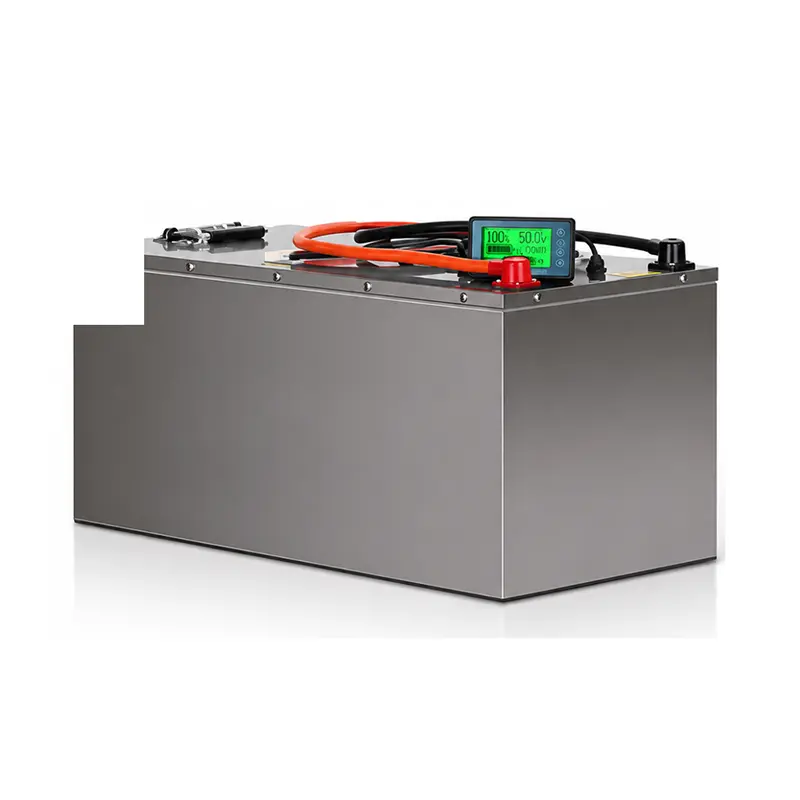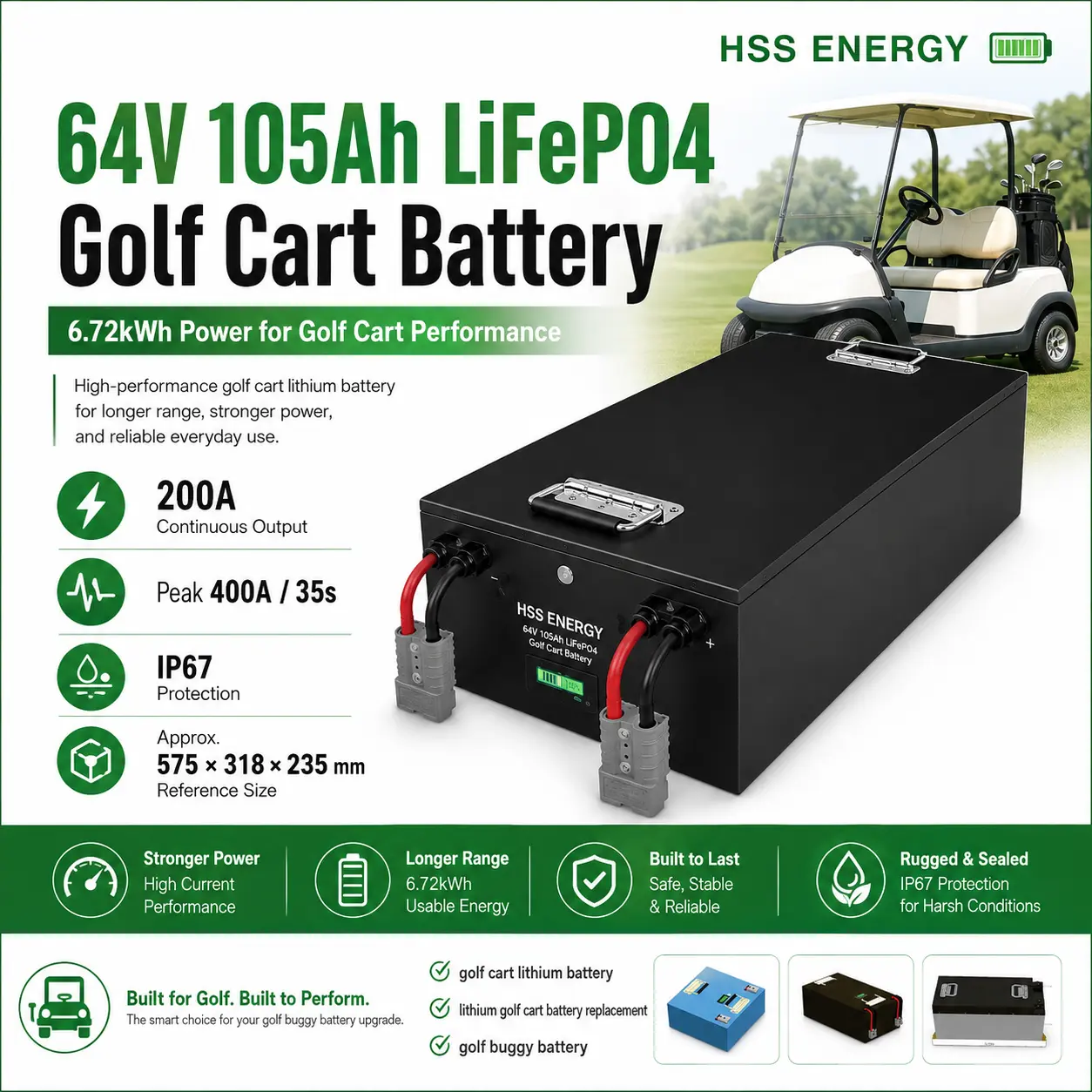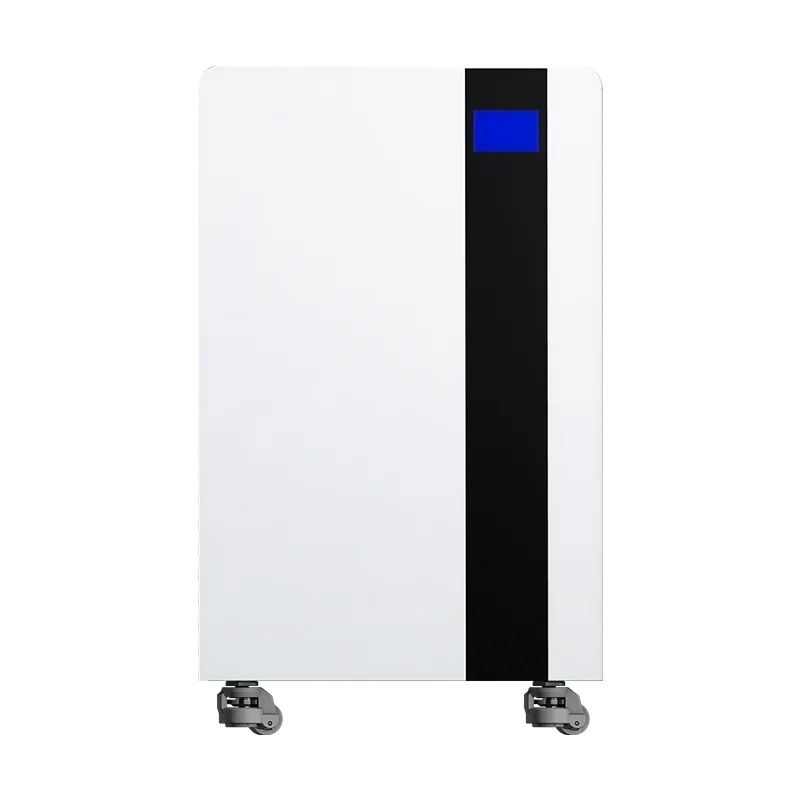
A 51.2V 200Ah LiFePO4 Battery offers a nominal energy capacity of 10.24kWh, making it a practical energy storage solution for residential solar systems, commercial backup power, off-grid installations, and other demanding applications. However, choosing the right battery involves more than comparing voltage and capacity. Discharge depth, BMS protection, inverter compatibility, charging performance, operating temperature, and installation conditions all influence actual performance. This guide explains how to evaluate these factors, estimate usable energy, avoid common purchasing mistakes, and select a battery system that delivers dependable long-term value.
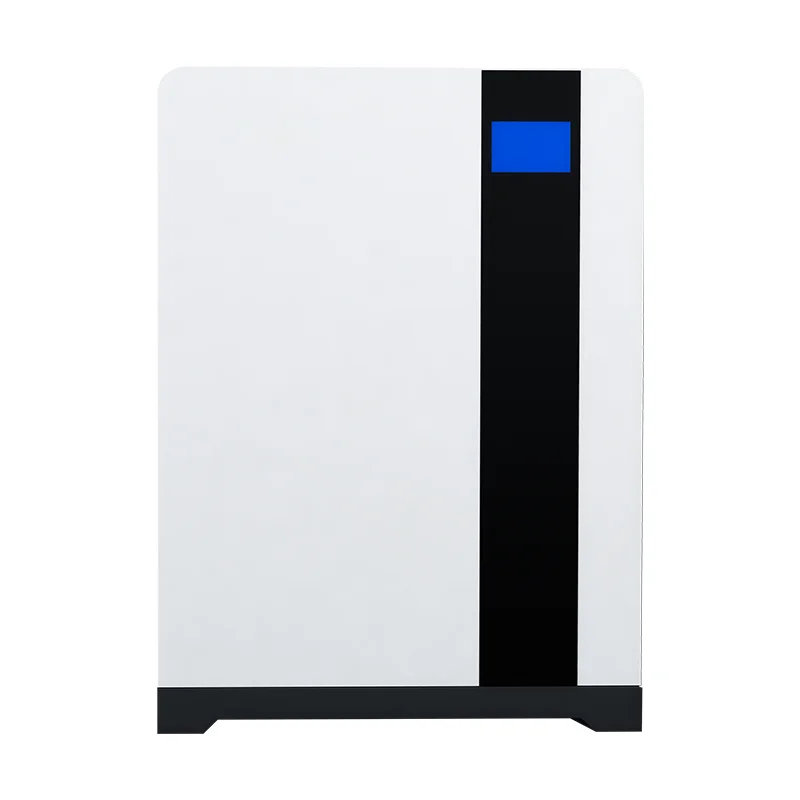
Energy storage requirements are becoming increasingly demanding as more households and businesses adopt solar power, backup electricity systems, and independent energy solutions. A battery must provide sufficient capacity, stable output, dependable protection, and a reasonable service life. The 51.2V 200Ah LiFePO4 Battery is designed to address many of these requirements.
LiFePO4 stands for lithium iron phosphate, a rechargeable battery chemistry known for its thermal stability, durability, and suitability for repeated charging and discharging. The 51.2V nominal voltage is commonly associated with a 16-series-cell configuration, while the 200Ah rating represents the battery's nominal electrical capacity.
Its nominal energy can be calculated using a straightforward formula:
51.2V × 200Ah = 10,240Wh = 10.24kWh
This means the battery stores approximately 10.24kWh of nominal electrical energy under specified testing conditions.
This capacity makes the battery suitable for applications that require substantial energy storage without immediately moving to a large industrial battery installation. It can support household electricity needs, solar energy management, commercial backup systems, and selected off-grid projects.
One of the most common questions from battery buyers is whether a 10.24kWh battery can power an entire home overnight. The answer depends on electricity consumption, usable depth of discharge, inverter efficiency, and the connected equipment.
Nominal energy and usable energy are not always identical. For example, if a battery system is configured for 90% depth of discharge (DoD), its estimated usable energy is:
Approximately 9.22kWh of DC energy is available before accounting for inverter conversion losses.
A simple way to estimate battery runtime is to divide usable energy by the average load. When an inverter is involved, its conversion efficiency should also be considered.
Estimated Runtime = Usable Battery Energy × Inverter Efficiency ÷ Average Load
Assuming 90% usable energy and 90% inverter efficiency, the following examples illustrate the potential runtime:
| Average Load | Estimated Runtime | Typical Application |
|---|---|---|
| 500W | 16.59 hours | Lighting and basic electronics |
| 1,000W | 8.29 hours | Essential household appliances |
| 1,500W | 5.53 hours | Multiple household devices |
| 2,000W | 4.15 hours | Moderate residential loads |
These figures are theoretical estimates rather than guaranteed operating times. Actual results vary with battery temperature, discharge rate, inverter performance, battery aging, and the power consumption of connected equipment.
For instance, if essential equipment consumes 5kWh per day, a 51.2V 200Ah battery may provide approximately one day of backup under favorable conditions. However, users should consider additional storage if they experience frequent power outages or extended periods of insufficient solar generation.
Battery chemistry influences safety characteristics, operating stability, usable capacity, charging behavior, and long-term ownership costs. LiFePO4 batteries have become an important option for stationary energy storage because their chemical structure provides several practical advantages.
Lithium iron phosphate chemistry has a relatively stable cathode structure and generally offers better thermal stability than several other common lithium-ion chemistries. This characteristic makes it attractive for residential and commercial installations where dependable operation is essential.
Nevertheless, LiFePO4 batteries are not risk-free. Incorrect wiring, short circuits, overcharging, physical damage, or unsuitable installation conditions can still create hazards. Appropriate protection systems and professional installation remain necessary.
A battery's cycle life describes how many charge and discharge cycles it can complete before its remaining capacity reaches a specified end-of-life threshold. Many LiFePO4 products are designed for thousands of cycles, but actual results depend on cell quality, discharge depth, temperature, and charging conditions.
Buyers should examine the manufacturer's cycle-life test conditions rather than relying on a large cycle-count figure alone. A rating measured at 80% DoD cannot automatically be compared with one measured at 100% DoD.
LiFePO4 batteries generally provide favorable charge-discharge efficiency, helping reduce energy losses during repeated storage operations. This is particularly useful in solar systems, where stored electricity may be used during nighttime hours or periods of low solar generation.
Unlike traditional flooded lead-acid batteries, LiFePO4 batteries do not require routine electrolyte replenishment. Their integrated battery management systems also help monitor important operating parameters. Users must still conduct periodic inspections and follow the manufacturer's maintenance recommendations.
Although the product name provides two important specifications, voltage and capacity alone cannot determine whether a battery is suitable for a particular installation. Buyers should examine the complete technical datasheet before making a purchasing decision.
| Specification | What It Means | Why It Matters |
|---|---|---|
| Nominal Voltage | 51.2V | Determines system voltage compatibility. |
| Nominal Capacity | 200Ah | Indicates the rated electrical capacity. |
| Nominal Energy | 10.24kWh | Represents the theoretical stored energy. |
| Charge Voltage | Manufacturer specified | Ensures correct charging configuration. |
| Maximum Charge Current | Model dependent | Determines charging speed and equipment requirements. |
| Continuous Discharge Current | Model dependent | Defines the sustained current the battery can deliver. |
| Peak Discharge Current | Model dependent | Indicates temporary high-current capability. |
| Cycle Life | Test-condition dependent | Helps evaluate expected long-term performance. |
| Communication | CAN / RS485, where supported | Enables communication with compatible equipment. |
| Protection Rating | Model dependent | Indicates resistance to dust and water ingress. |
Charging current affects how quickly the battery can replenish its stored energy. Discharge current determines how much power it can deliver to connected equipment.
For example, a battery with a continuous discharge current rating of 100A has a theoretical output of approximately 5.12kW at 51.2V. A battery rated at 200A could theoretically deliver approximately 10.24kW under the same nominal-voltage calculation. Actual power availability depends on operating voltage, BMS limits, temperature, and manufacturer specifications.
Peak current ratings should also be checked carefully. A battery may support a higher current for only a few seconds, which does not mean it can continuously operate at that level.
Different energy storage projects have different priorities. A residential backup system may focus on reliable electricity during outages, while a commercial installation may prioritize operating costs, scalability, and equipment integration.
For homeowners, a 51.2V 200Ah LiFePO4 Battery can store surplus electricity generated during the day and provide power after sunset. It can also serve as an energy reserve during grid interruptions when connected to a properly designed backup system.
Before purchasing, homeowners should evaluate daily consumption, essential appliance loads, solar generation capacity, and the expected backup duration.
Off-grid properties cannot depend on a stable utility connection. Their battery systems must store enough electricity to support daily loads and provide a reserve for cloudy weather or periods of limited renewable generation.
Battery sizing should therefore account for seasonal energy production, peak demand, generator availability, and the number of days of backup required.
Businesses often require uninterrupted power for communication equipment, monitoring systems, security devices, control equipment, and selected production processes.
In these applications, buyers should pay particular attention to continuous discharge capability, communication protocols, system redundancy, installation conditions, and expansion requirements.
Hybrid energy systems combine solar generation, battery storage, and grid electricity. A compatible 51.2V battery can help improve solar energy utilization by storing excess generation for later use.
However, the battery and inverter must be compatible in voltage range, current limits, charging profiles, and communication settings. Compatibility should be verified before installation.
| Application | Primary Requirement | Important Selection Factor |
|---|---|---|
| Residential Solar | Daily energy storage | Usable capacity and inverter compatibility |
| Off-Grid Systems | Independent power supply | Backup duration and system expansion |
| Commercial Backup | Operational continuity | Discharge capability and protection |
| Hybrid Solar | Energy management | Charging control and communication |
The battery management system (BMS) is one of the most important components in a modern LiFePO4 battery. It monitors battery operating conditions and helps prevent potentially damaging situations.
Some advanced battery models also provide state-of-charge (SOC), state-of-health (SOH), and communication functions through CAN or RS485 interfaces.
Even a high-quality battery may fail to deliver the expected performance if it is connected to an incompatible inverter. Buyers should verify the following details:
When communication is unavailable, some systems may support voltage-based operation, but this must be explicitly permitted by both equipment manufacturers. Never assume that two devices are compatible simply because they share the same nominal voltage.
Correct installation plays a major role in battery reliability. Even a battery with excellent technical specifications may experience reduced performance if it is installed in an unsuitable environment or connected incorrectly.
Install the battery in a clean, dry, well-ventilated location that meets the manufacturer's environmental requirements. Avoid direct sunlight, excessive heat, standing water, corrosive substances, and areas exposed to mechanical damage.
Before installation, check the product's dimensions, weight, mounting requirements, enclosure protection rating, and permitted operating temperature. A 200Ah battery can be relatively heavy, so the supporting structure and floor must be suitable for its weight.
LiFePO4 batteries generally use a constant-current/constant-voltage (CC/CV) charging method. However, the recommended voltage and current settings vary among battery models.
Users should follow the manufacturer's datasheet and avoid applying charging parameters designed for lead-acid batteries or other lithium chemistries.
Low-temperature charging requires particular attention. Charging LiFePO4 cells below their permitted temperature range can cause lithium plating and permanent cell damage. Some batteries include low-temperature charging protection or optional heating functions.
High temperatures can also accelerate battery aging. The installation environment should therefore remain within the specified operating range, and temperature protection should not be bypassed.
Choosing an energy storage battery based only on its advertised capacity or price can result in unexpected system costs and performance limitations. A more comprehensive evaluation helps buyers make informed decisions.
A 200Ah battery does not necessarily provide its full rated capacity under every operating condition. Buyers should check the specified DoD, discharge cut-off voltage, and usable energy figures.
High energy capacity does not automatically mean high power output. A battery may store 10.24kWh but still have a relatively limited continuous discharge current. Make sure its output capability matches the connected loads.
Cycle-life claims should include relevant conditions such as temperature, charge and discharge rates, DoD, and end-of-life capacity threshold. Without these details, comparisons between suppliers may be misleading.
Incompatible communication protocols can affect SOC accuracy, charging control, and system monitoring. Request an approved inverter compatibility list whenever possible.
The lowest quotation may not represent the best long-term investment. Evaluate cell quality, BMS configuration, warranty terms, certifications, technical support, and expected operating life together.
Request a complete datasheet, applicable safety and transport documentation, warranty conditions, and inverter compatibility information before confirming an order. Reliable technical information is just as important as competitive pricing.
LiFePO4 batteries generally require less routine maintenance than traditional lead-acid batteries, but regular inspection remains important for long-term reliability.
Battery aging is affected by several interacting factors. Deep discharge, frequent operation at high temperatures, excessive charging current, and extended storage at unsuitable charge levels can reduce long-term capacity.
Maintaining suitable operating conditions and using compatible charging equipment can help preserve battery performance. Buyers should also understand that cycle-life ratings are laboratory-based specifications, not guarantees of a fixed number of years under every application.
Selecting a battery is not simply a matter of purchasing a product with the correct voltage and capacity. A successful energy storage project requires technical information, product consistency, equipment compatibility, and dependable communication throughout the procurement process.
An experienced battery supplier should be able to help customers evaluate application requirements, compare technical configurations, understand charging limitations, and identify suitable system solutions.
Xiamen HSS Energy Technology Co., Ltd. is a company name buyers can consider when exploring battery and energy storage solutions. When evaluating a potential supply partner, customers should review its available product specifications, manufacturing or supply capabilities, quality documentation, customization options, and after-sales support.
For distributors, installers, and project developers, these factors can make a significant difference in procurement efficiency and long-term project performance. Rather than focusing exclusively on price, evaluate the complete value of the battery solution and the supplier's ability to support your project.
A 51.2V 200Ah battery has a nominal energy capacity of 10.24kWh, calculated by multiplying voltage by amp-hour capacity. Its actual usable energy depends on the permitted depth of discharge, operating conditions, and system efficiency.
Runtime depends on the home's average electricity consumption. For example, with 90% usable battery energy and 90% inverter efficiency, a 1kW average load could run for approximately 8.29 hours. Actual runtime will vary with appliance usage and system conditions.
Yes. It can be used in compatible residential and commercial solar energy storage systems. Buyers should verify the inverter's voltage range, charging parameters, current limits, and communication compatibility before installation.
In many energy storage applications, 48V is used as a nominal system class, while 51.2V is the actual nominal voltage of a common 16-series LiFePO4 battery configuration. However, compatibility must always be determined by the equipment's specified operating voltage range.
Many LiFePO4 products are designed to achieve several thousand charge and discharge cycles. The actual figure depends on cell quality, depth of discharge, temperature, current rate, and the manufacturer's end-of-life definition. Always compare cycle-life ratings under equivalent test conditions.
Some models support parallel connections to increase total storage capacity. For example, two compatible 51.2V 200Ah batteries can provide a nominal combined capacity of 51.2V 400Ah, or 20.48kWh. However, the battery manufacturer must explicitly approve parallel operation and specify connection limits, cable requirements, and communication arrangements.
It needs an inverter designed to work with the battery's voltage range and electrical characteristics. A compatible 48V-class inverter may be suitable, but charging voltage, maximum current, communication protocol, and firmware compatibility must be checked.
Charging below the manufacturer's permitted temperature range can damage LiFePO4 cells. Some models include low-temperature charging protection or battery heating functions. Always follow the specified temperature limits and never bypass the BMS protection.
Buyers should request a detailed technical datasheet, product manual, warranty terms, relevant safety and transport documents, and applicable certification reports. For system integration projects, an inverter compatibility list and communication protocol information are also useful.
Evaluate product consistency, cell specifications, BMS protection, technical support, quality documentation, warranty coverage, customization capabilities, and delivery arrangements. A supplier that provides clear technical information can help reduce integration risks and improve purchasing confidence.
Choosing the right energy storage battery is an important step toward building a stable, efficient, and scalable power system. Whether you are sourcing batteries for residential solar storage, commercial backup power, or off-grid energy projects, understanding your technical requirements can help you achieve better long-term results.
Xiamen HSS Energy Technology Co., Ltd. welcomes inquiries from distributors, installers, project developers, and business partners seeking battery solutions for their energy storage requirements.
Have questions about battery specifications, system compatibility, or customized requirements? Contact us to discuss your project and explore a suitable energy storage solution.