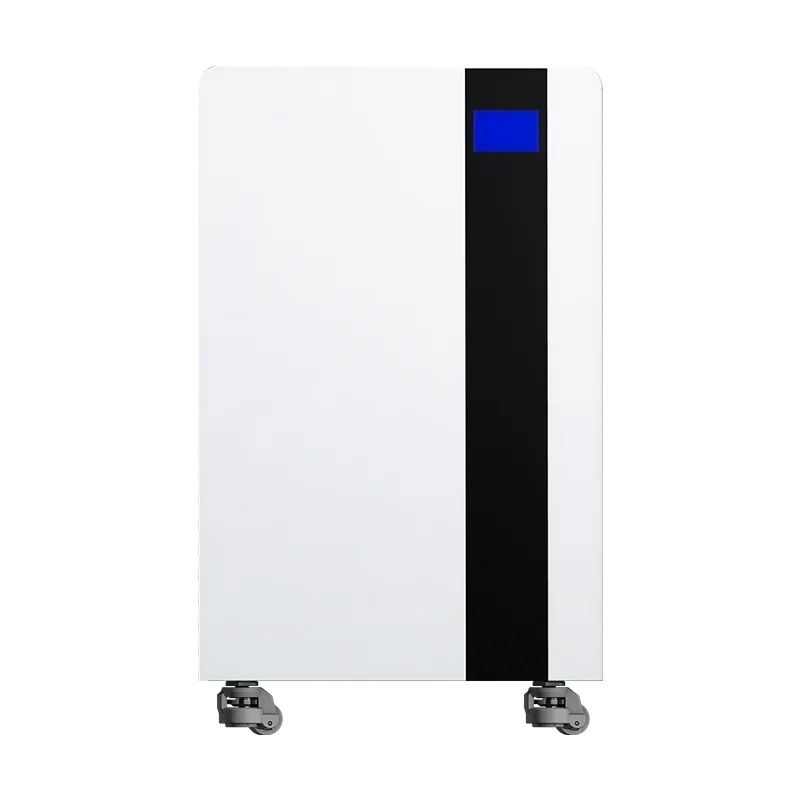
| Chemistry | LiFePO4 | Capacity Class | 100kWh class |
| Reference Arrangement | 6 x 16.08kWh modules | Installation | Indoor rack / outdoor IP55 cabinet |
For integrators comparing suppliers for the 100kWh Energy Storage Battery, HSS Energy factory provides module selection, rack or outdoor-cabinet options, labeling and communication configuration around the project. The name describes a market capacity class, not an exact energy value for every arrangement. For the six-module reference, the catalog system table states 96.46kWh nominal energy, while six modules at 16.08kWh calculate to approximately 96.48kWh. The same table lists 86.81kWh usable energy at 90% DOD. Because the two nominal-energy figures differ by 0.02kWh, the approved specification, system diagram and equipment-matching record take precedence for a purchase order.
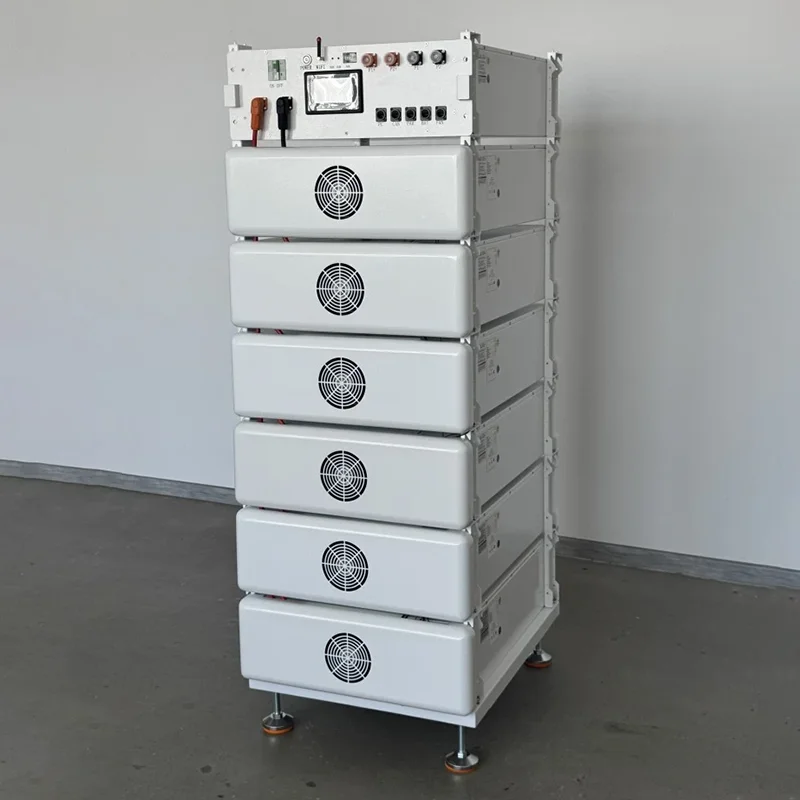
Six 16.08kWh high-voltage rack modules connected in series
|
Parameter |
Reference value / note |
|
Reference module model |
NSTFW-16K-HV |
|
Cell chemistry |
LiFePO4 |
|
Module voltage and capacity |
51.2V 314Ah |
|
Module nominal energy |
16.08kWh |
|
Module dimensions |
771 x 550 x 200mm (W x D x H) |
|
Approximate module weight |
118kg |
|
Reference system arrangement |
Six modules connected in series |
|
System nominal voltage |
307.2V |
|
System operating voltage |
278.4-345.6V |
|
System nominal energy |
Catalog: 96.46kWh; 6 x 16.08kWh calculates to approximately 96.48kWh |
|
System usable energy |
Catalog: 86.81kWh at 90% DOD |
|
Recommended / maximum current |
160A / 200A; affected by temperature and SOC |
|
Operating / storage temperature |
-10°C to 55°C / 0°C to 35°C |
|
Cooling mode |
Fan cooling |
|
Communication |
CAN / RS485; protocol matched to the equipment |
|
Humidity / altitude |
5%-95%RH / <=2000m |
|
Indoor rack enclosure rating |
Catalog states IP20 |
|
Outdoor cabinet |
Optional IP55 cabinet; construction and cooling confirmed by project |
|
Six-module reference size / weight |
Catalog: 776 x 577 x 725mm, approximately 782kg; final drawing controls |
|
Cycle life |
Catalog states >=8000 cycles; actual life depends on test and operating conditions |
|
Warranty |
Catalog states 5+5 years; coverage and extension terms are subject to contract |
|
Catalog-listed documents |
CE, MSDS and UN38.3; applicable models and delivery documents confirmed by order |
|
Specification note: 100kWh is a capacity-class name, not proof that every module arrangement equals exactly 100.00kWh. Confirm the final value from the selected modules, series quantity, DOD and approved technical documents. |
|
A 100KWH hv battery system may use different module energy classes: ten approximately 10kWh units, six 16kWh-class units or four 24kWh-class units. This page focuses on six 16.08kWh modules. Changing the arrangement also changes system voltage, rack dimensions, weight, shipping and equipment matching, so module quantities cannot be substituted from energy alone. During configuration review, HSS Energy records the module count, series voltage and electrical interfaces for the 100kWh Energy Storage Battery in the order's technical attachment.
Selecting a High Voltage Battery starts with the DC voltage window of the PCS or inverter. The six-module reference is rated 307.2V with a 278.4-345.6V operating range. CAN or RS485 identifies an available interface; it does not prove protocol compatibility. Before production, provide the equipment brand, model, protocol version and pin definition for technical review.
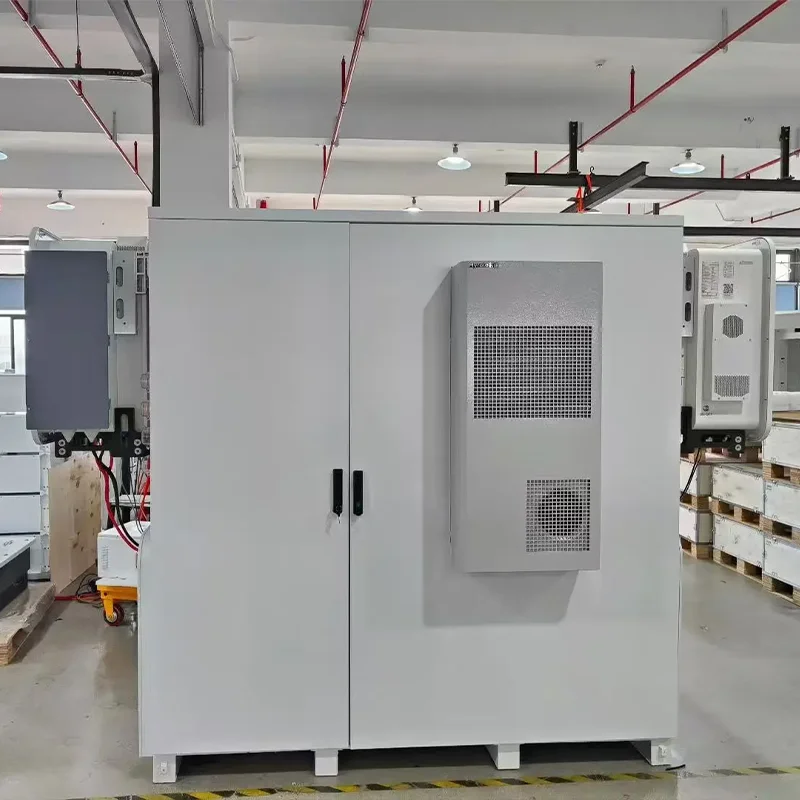
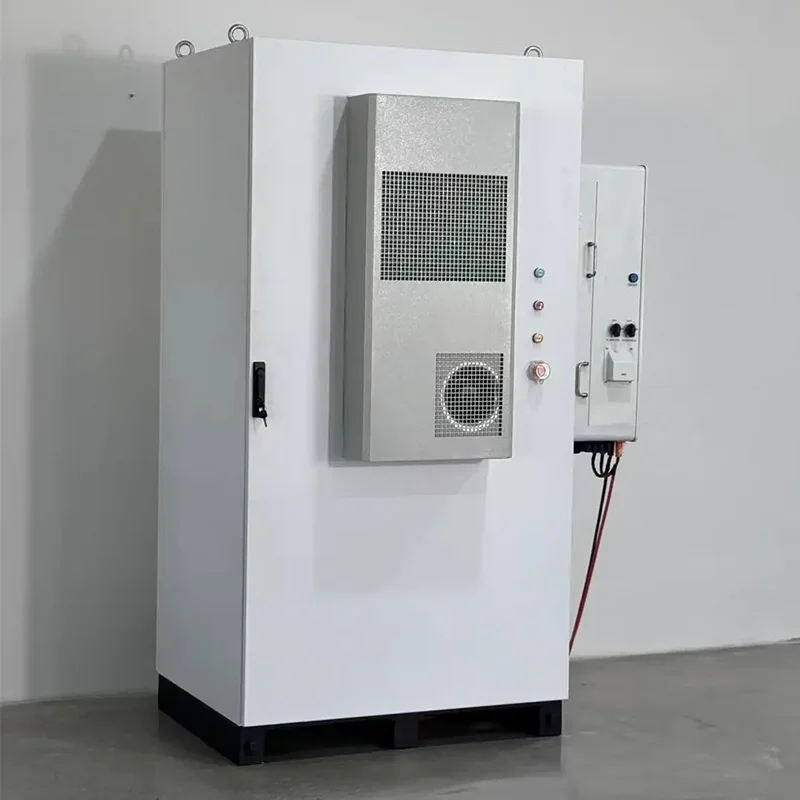
As a commercial energy storage battery, the system can support commercial peak management, solar self-consumption and selected backup loads, and it may also suit high-consumption homes or smaller projects. The catalog lists IP20 for the indoor rack arrangement. Outdoor placement can use an optional IP55 cabinet, but the enclosure rating does not replace checks for ambient temperature, airflow, foundation, service clearance and local electrical requirements.
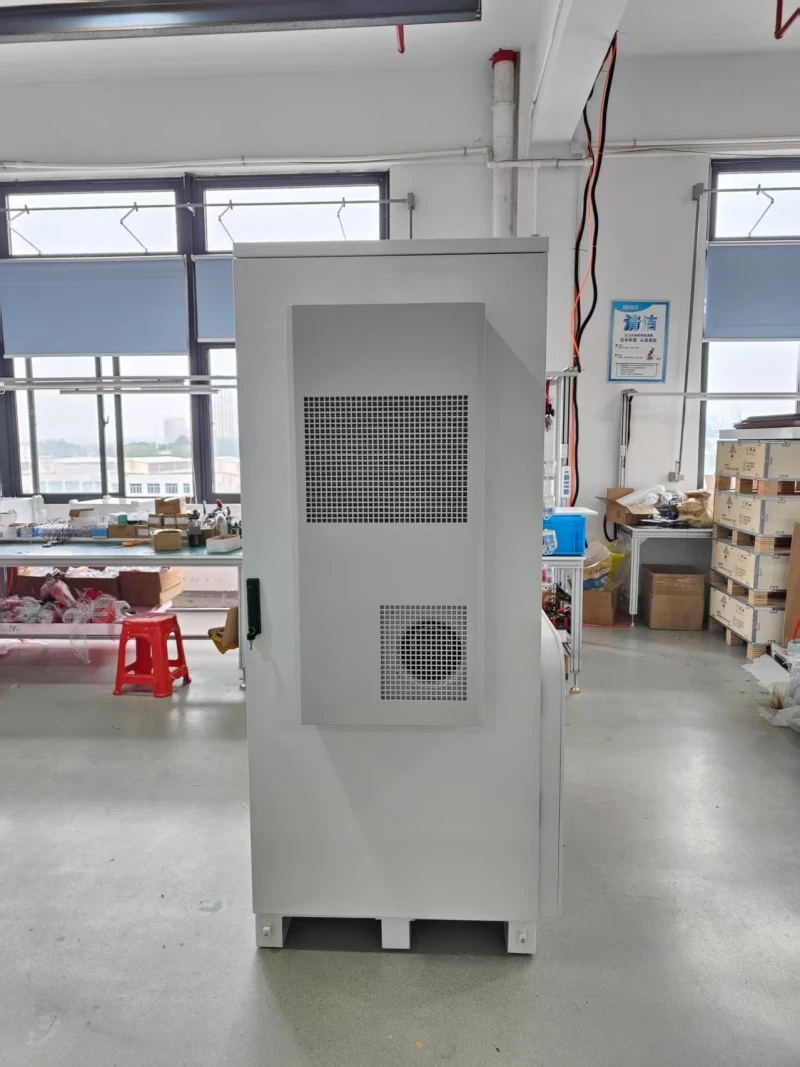
Outdoor protective cabinet; internal modules, airflow and interfaces are confirmed for each order
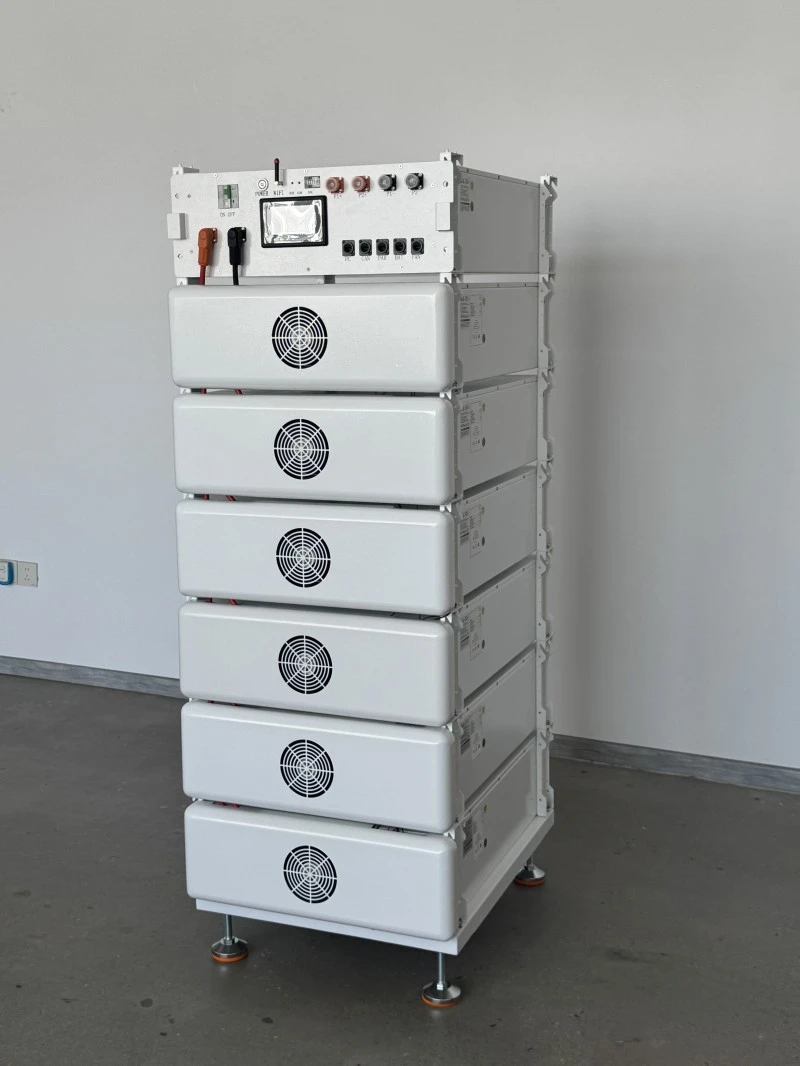
A Rack Mounted LiFePO4 Battery uses independent modules with a main control unit, making factory inspection, split shipment and service access more practical. One 16kWh-class module weighs approximately 118kg, while the catalog reference for the six-module system is about 782kg. Rack loading, access routes and lifting or forklift arrangements should therefore be discussed at the quotation stage. Detailed installation, wiring and commissioning procedures belong in the product manual.
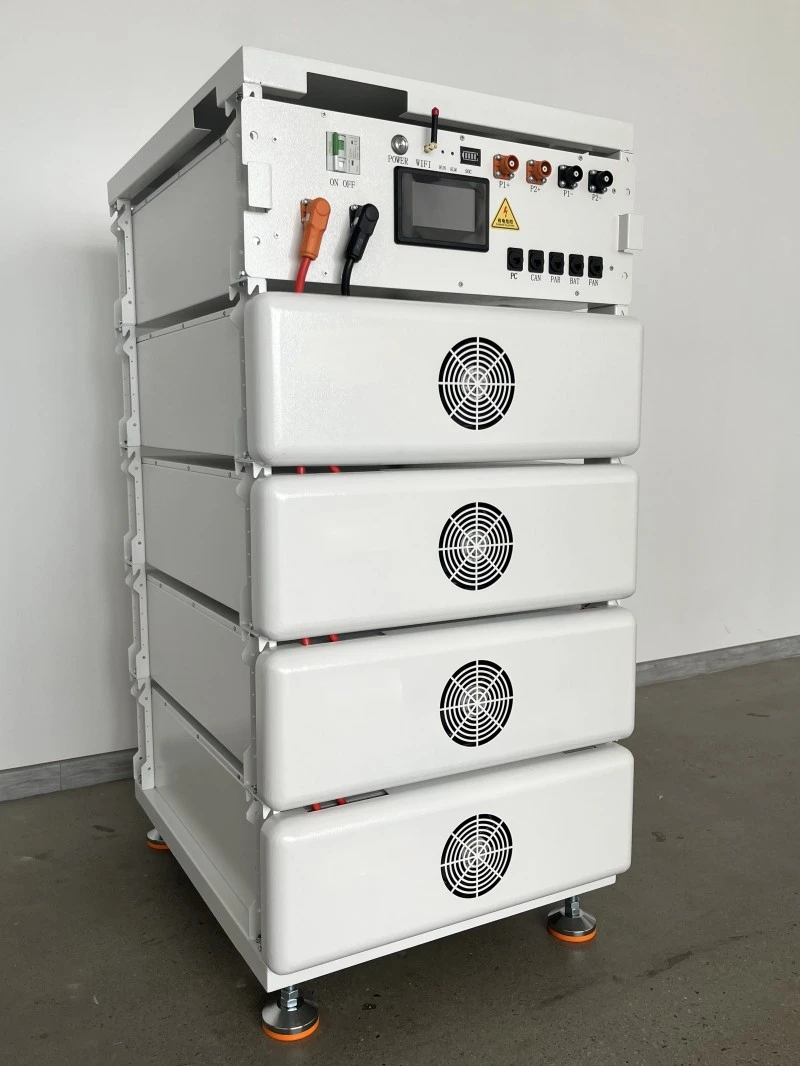
Close view of the module stack and main control unit; the photographed stack is a construction reference, not the six-module system arrangement
The high voltage lithium battery system uses battery management to monitor module status and exchange data with upper-level equipment through CAN or RS485. The catalog gives 160A as the recommended charge/discharge current and 200A as the maximum, while noting that current capability is affected by temperature and SOC. Fan cooling, the -10°C to 55°C working range, humidity and altitude limits must be considered together rather than treating any single maximum as continuous capability under every condition.
HSS Energy can confirm module labels, racks, outdoor cabinets, display settings, communication configuration and packaging for a defined project. Before batch production, drawings, the BOM, protocol and sample should be approved, with assembly, connection inspection, BMS settings and aging-test records retained by batch. The supplied CE EMC certificate is No. XK2410013017C and its model scope includes 51.2V 314Ah-HV. Whether a customized version remains within that scope must be checked against the final delivered configuration.
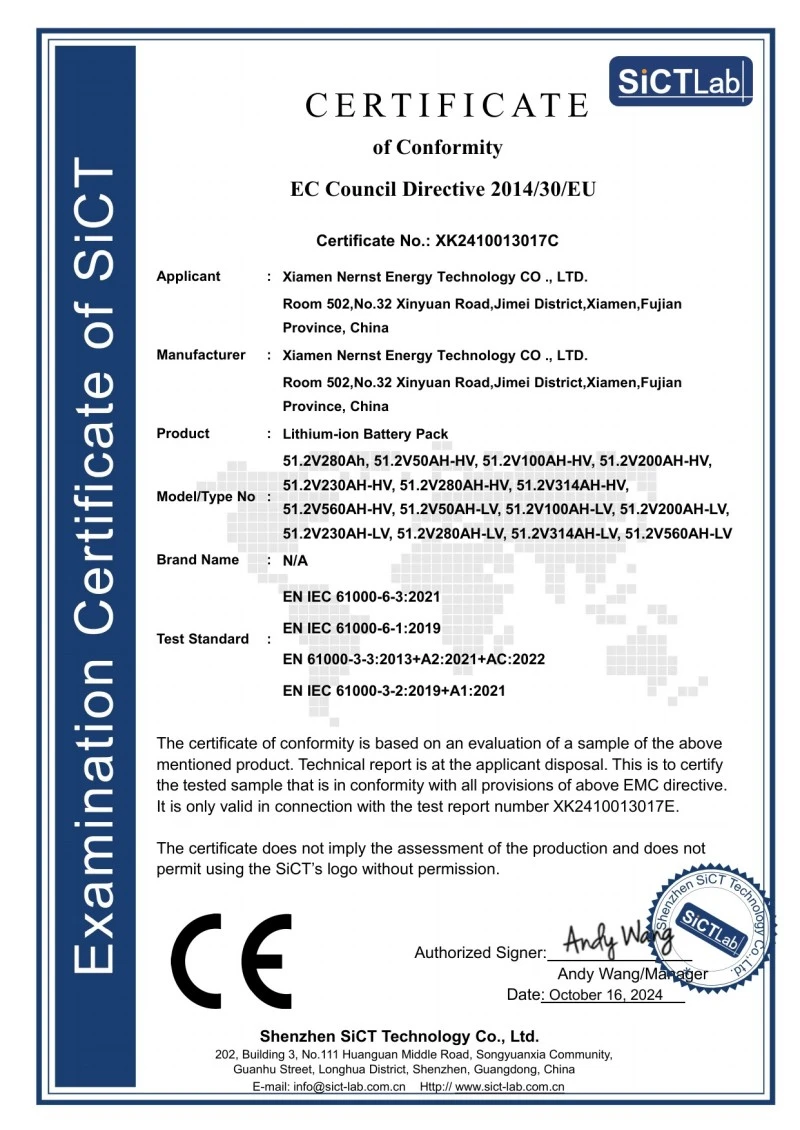
CE EMC certificate page; certificate No. XK2410013017C
A 100 Kwh Lithium Ion Battery project involves heavy high-voltage equipment, so the modules, control unit, rack and cabinet may require separate protection, restraint, dangerous-goods labels and unloading plans. For shipping preparation, provide the destination, transport method, unloading conditions, required documents and whether a complete cabinet is needed. Wooden-case or pallet details, UN3480 marking and transport papers must be confirmed for the actual module and route instead of copied from a display photograph.
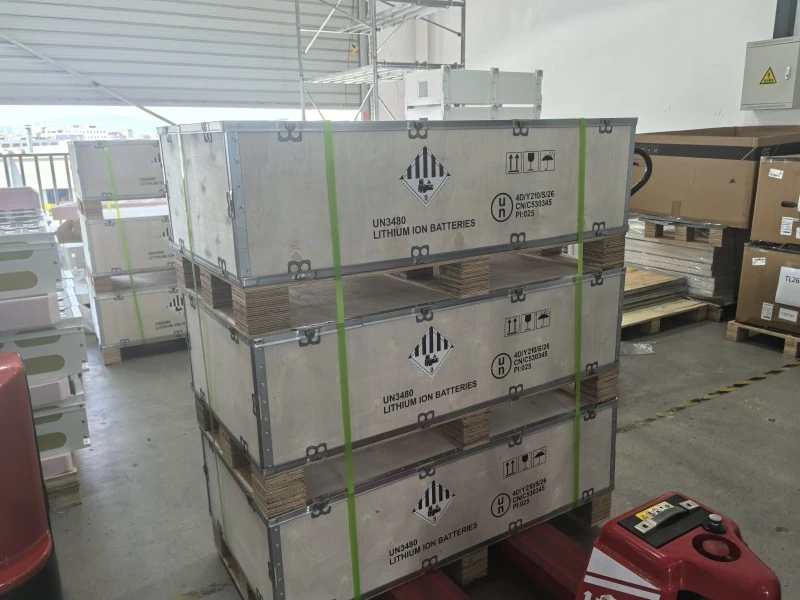
Wooden-case packaging for high-voltage battery modules with UN3480 marking
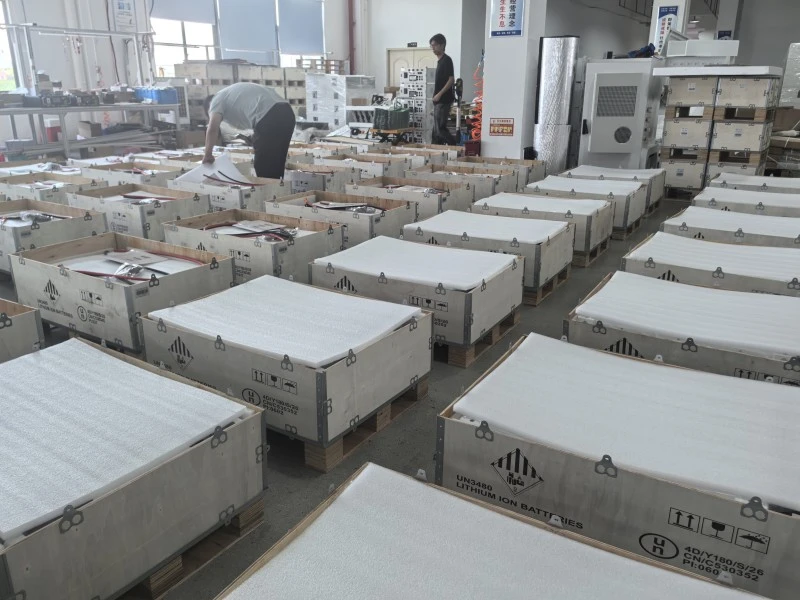
Batch packing in the workshop; protective materials, cases and shipment lots follow the order
The figure is a common capacity-class description. Each reference module is rated 16.08kWh, so six calculate to about 96.48kWh; the catalog system table states 96.46kWh. The quotation and contract should state the actual nominal energy.
No. System voltage, operating range, dimensions, weight, rack, main controller and equipment compatibility may all change. A new system configuration review is required.
An optional IP55 outdoor cabinet is available. The enclosure rating is only one part of the site design; temperature, cooling, foundation, cable entry, service space and local requirements still need confirmation.
No. A matching connector does not guarantee matching protocol, addressing or data definitions. Provide the equipment model, protocol version and pin definition before ordering.
Not necessarily. The supplied certificate scope includes 51.2V 314Ah-HV, but cabinet, structural, electrical or other changes must be checked against the final configuration and certificate scope.
Quotation checklist: When evaluating the 100kWh Energy Storage Battery, share the target energy, preferred module arrangement, PCS or inverter model, main loads, installation environment, indoor rack or IP55 cabinet requirement, protocol, quantity, destination, required certification documents and delivery target. HSS Energy will review these points before issuing the configuration and commercial proposal.
Address
A3, 1204-1, 1142 Jimei North Avenue, Software Park Phase III, Xiamen Torch High-tech Zone, Xiamen, China
Tel