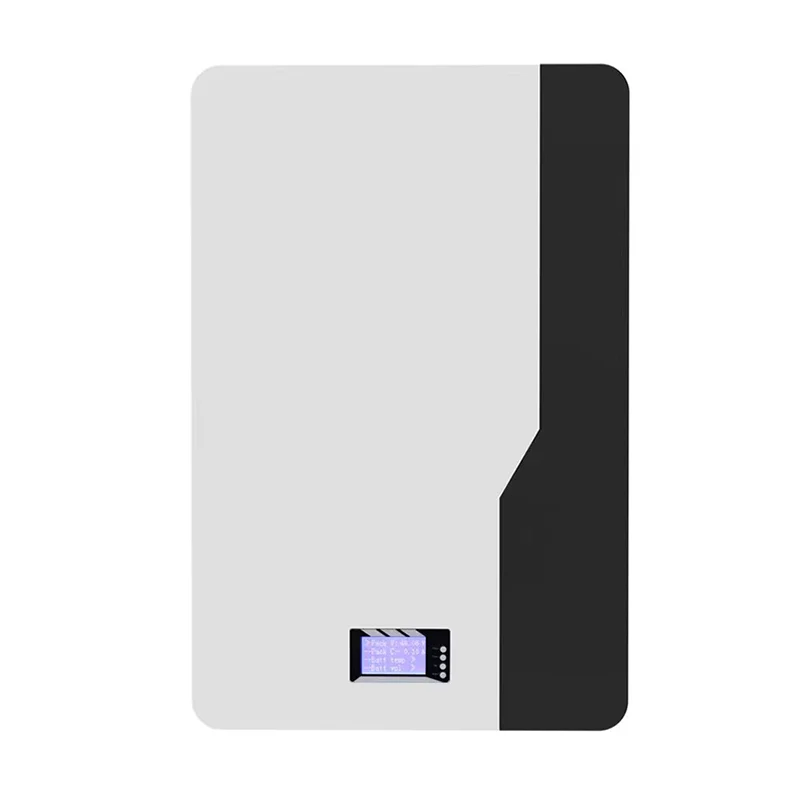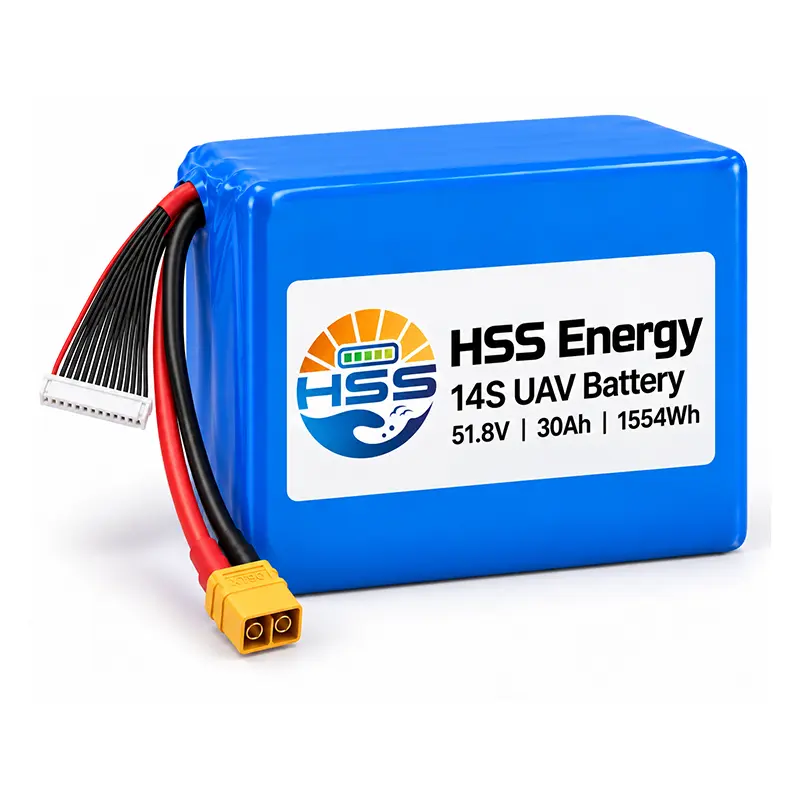
For an order inquiry, compare the HSS Energy 14S 30Ah UAV Battery with the aircraft's complete voltage range. Its 51.8V nominal voltage and 59.5V charging cutoff differ from the 49.0V and 60.2V values of the 14S120Ah model. Series count alone is therefore not a replacement rule. The shorter body offers a different mounting option, while the specified solid state cells distinguish its construction from the semi solid models. Contact our China UAV battery manufacturer for custom battery solutions, OEM/ODM inquiries, and factory-direct pricing.
The 14S 30000mAh UAV battery uses fourteen series-connected cell groups. Series connection establishes the pack voltage; it does not multiply the 30Ah capacity by fourteen. The specified solid-state cell platform is a material classification, not a statement that every similarly described battery uses an identical electrolyte formulation.
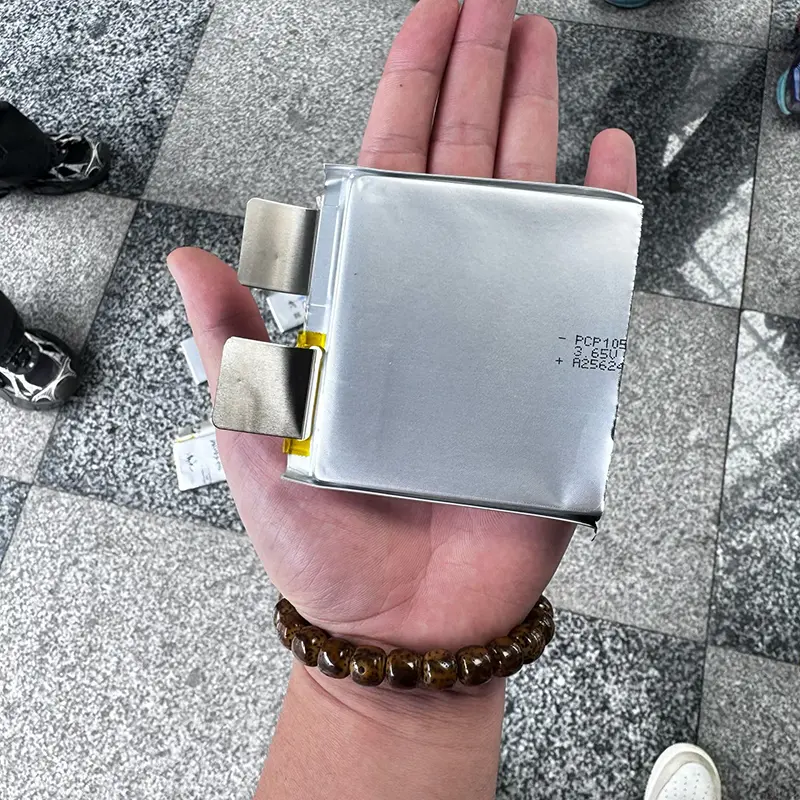
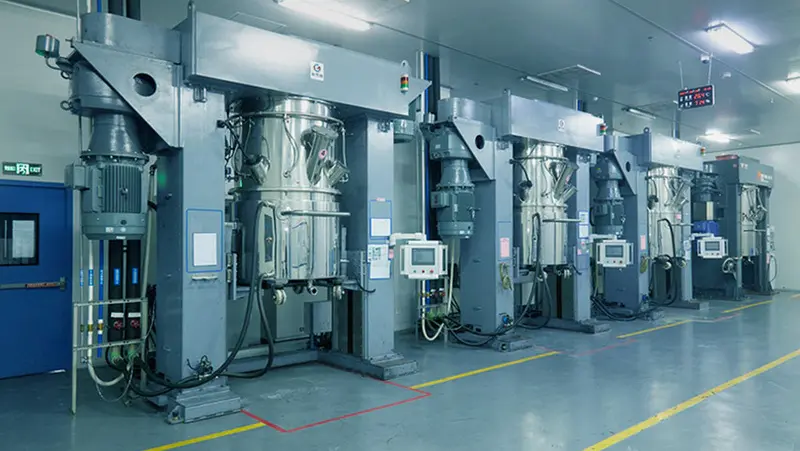
At cell level, electrode materials, electrolyte and separator functions support electrochemical energy storage inside a sealed pouch. At pack level, electrical connections, insulation, lead routing and external protection turn the selected cells into an assembly. The supplier photographs show pouch-cell form and manufacturing equipment; they do not disclose a proprietary recipe for this SKU.
The 30Ah solid state battery should therefore be judged by its specified operating limits and agreed evaluation, not by material terminology alone. The mixing equipment illustrates upstream material preparation. It does not establish the exact formulation, process settings or safety performance of a completed pack.
|
Parameter |
Specification |
|
Model |
14S30Ah |
|
Cell designation |
10675175-30000mAh |
|
Cell type |
Solid state |
|
Series configuration |
14S |
|
Nominal voltage |
51.8V |
|
Capacity |
30Ah / 30000mAh |
|
Nominal energy |
1554Wh (nominal voltage × capacity) |
|
Cell energy density |
350Wh/kg (cell value) |
|
Maximum charge current |
15A (0.5C) |
|
Charge cutoff voltage |
59.5V |
|
Discharge cutoff voltage |
35.0V |
|
Continuous discharge current |
90A (3C) |
|
Maximum discharge current |
300A (10C) |
|
Condition |
Specification |
|
Working temperature |
-20 to 55°C |
|
Storage temperature |
-20 to 40°C |
|
Storage humidity |
<85% RH |
|
Cycle-life reference |
500 cycles |
|
Mechanical item |
Specification |
|
Body dimensions (W × T × H) |
158 × 78 × 195mm; each ±5mm |
|
Approximate body weight |
4.59kg |
|
Optional interface |
Configuration |
|
Main cable and connector |
10AWG, 150mm; XT90 |
|
Balance harness and connector |
22AWG, 150mm; XH-15P (B0–B14) |
Nominal energy is voltage multiplied by capacity. Cell energy density is not finished-pack energy density. Working-temperature limits do not establish charging-temperature permission.
For a 51.8V 30Ah battery, check the aircraft’s full input-voltage window before looking at the connector. The charger must support the specified cutoff and current profile. Next compare steady and transient load, then body clearance, mounting mass and access to the balance connection.
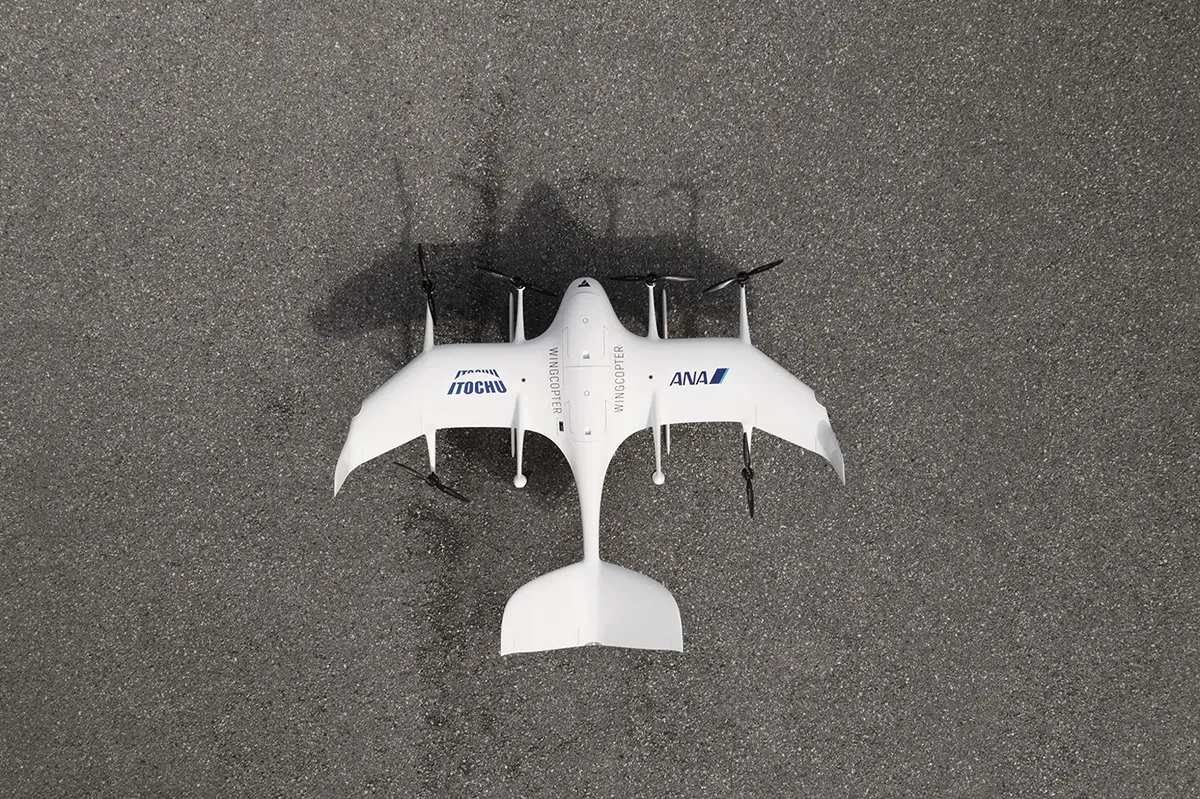
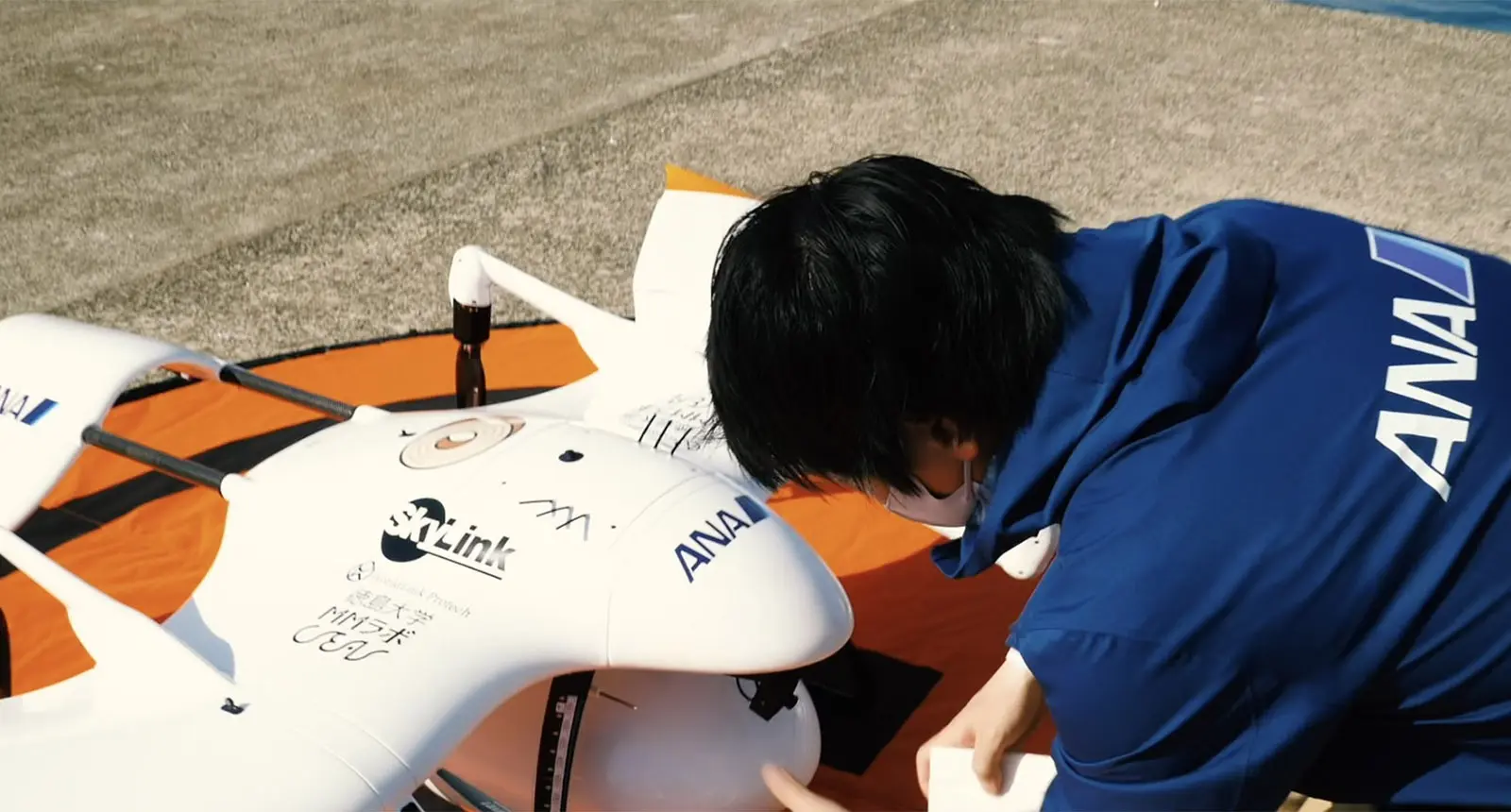
Wingcopter and ANA’s delivery activities in Japan provide independent examples of aircraft preparation and route operations. The images help frame integration questions; they are not claims of HSS supply or compatibility with those aircraft. Your own airframe must be evaluated against the electrical and mechanical requirements of this pack.
For the 14S 30Ah battery pack, allow access to connect, inspect and disconnect the pack without pulling on its wiring. Ground preparation and service access deserve a place in the installation drawing, especially where a compact compartment makes connectors hard to reach.
The 14S 30Ah UAV Battery and the neighboring 14S36Ah specification use the same nominal voltage. Their different mass, dimensions and current limits create a genuine selection tradeoff. These are specification comparisons, not side-by-side flight-test results.
|
Selection factor |
14S30Ah |
14S36Ah |
|
Nominal energy |
1554Wh |
1864.8Wh (51.8V × 36Ah) |
|
Approximate mass |
4.59kg |
5.6kg |
|
Body W × T × H |
158 × 78 × 195mm |
155 × 90 × 205mm |
|
Continuous discharge |
90A (3C) |
108A (3C) |
|
Maximum charge |
15A (0.5C) |
18A (0.5C) |
The 36Ah option adds 310.8Wh of nominal energy and about 1.01kg. Its body is thicker and taller even though the listed width is slightly smaller. Prefer the 30Ah option when its load capability is sufficient and the installation benefits from its lower mass or thinner body; evaluate 36Ah when the added energy or continuous current solves a defined requirement.
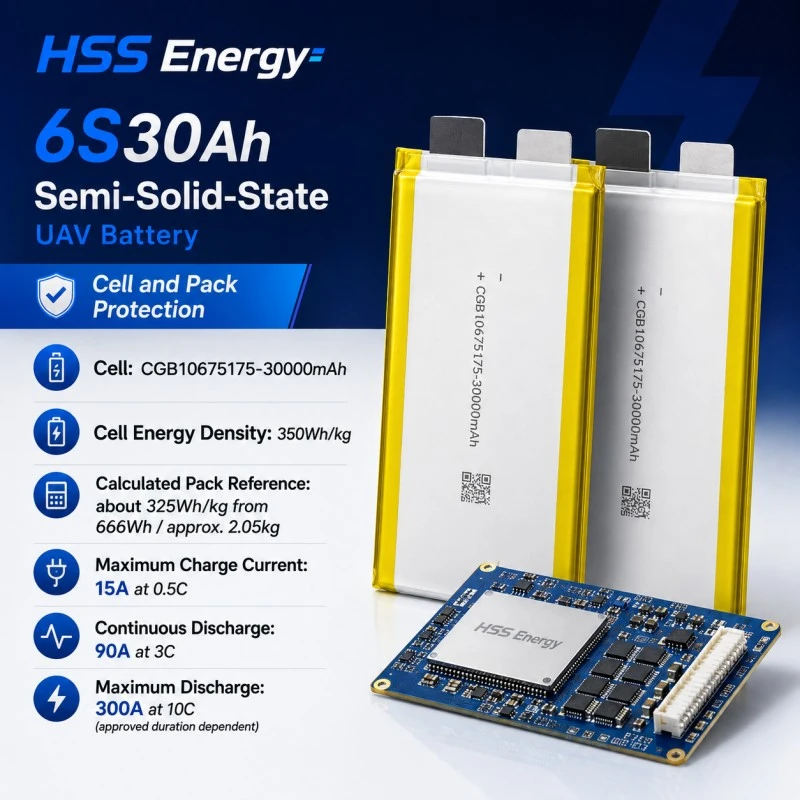
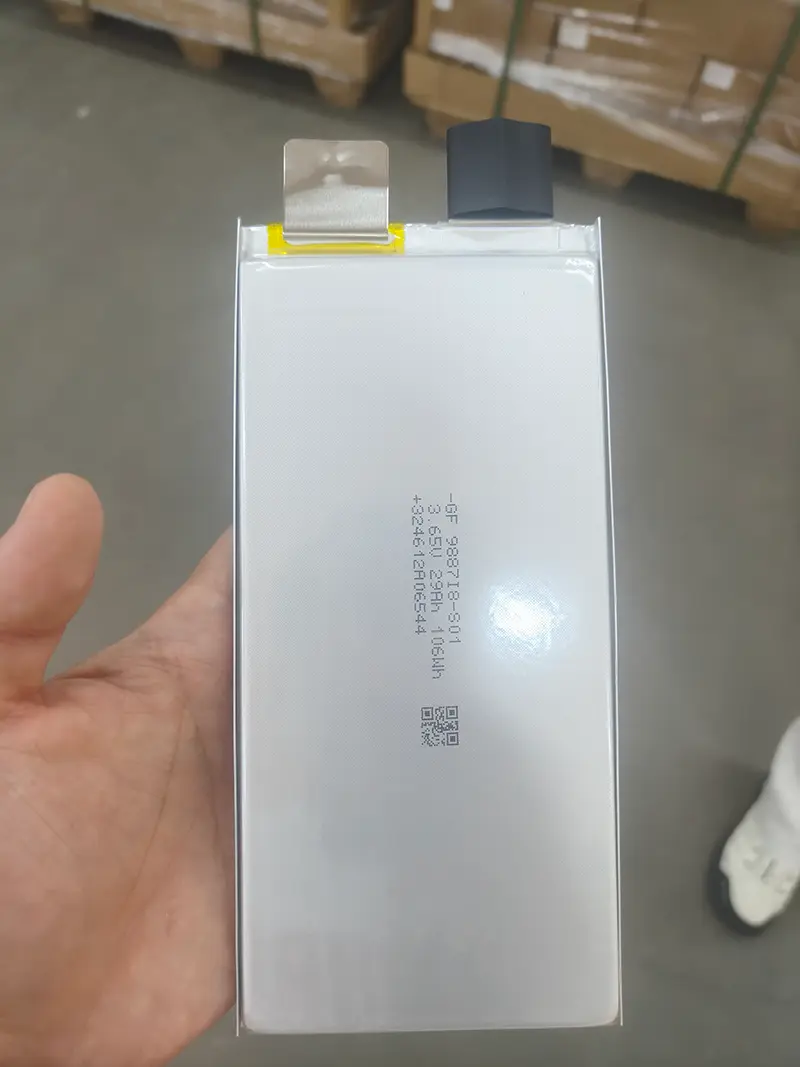
HSS Energy works with commercial cell suppliers and uses their cells. This gives the configuration discussion a concrete component starting point: identify the intended cell platform, then review the finished-pack envelope and interfaces. The partner cell pictured is a component example; the ordered 30Ah pack follows its own agreed specification.
When sourcing a 30000mAh solid state battery, bring the aircraft requirements into the quotation: the cell platform, finished-pack drawing, charging profile and connector must be reviewed as one configuration. Relevant certification documents depend on the exact model and any requested changes. After-sales service follows the agreed order conditions, rather than an unqualified promise detached from the configuration.
Include the controller input range, charger specification, current profile, battery-bay drawing and maximum permitted battery mass. HSS Energy can use those requirements to discuss the 30Ah option and an appropriate neighboring configuration.
No. This model specifies a 59.5V charge cutoff and a 15A maximum charge current. Select a compatible charging system for those values rather than assuming a cutoff from the 14S name alone.
No. A matching plug does not establish voltage compatibility. Check the aircraft controller, charger, full pack-voltage range and polarity. Another fourteen-series battery can use a different cell platform or charge cutoff, so series count alone is also insufficient.
Evaluate it when its additional nominal energy or 108A continuous rating addresses a real requirement and the aircraft can accommodate the extra mass and larger thickness/height. If the 30Ah pack already meets the mission with reserve, the heavier pack may consume payload margin without solving a useful constraint.
No. Continuous discharge is 90A. The separate 300A maximum does not have a duration specified in the available product data, so it must not be treated as a sustained rating or assigned the pulse duration of another SKU. Review the transient load requirement before ordering.
No. The cell-platform description does not remove electrical, mechanical or charging requirements. Use the specified charging profile, prevent terminal short circuits and protect the pouch-based assembly against damage. No fireproof or zero-risk claim is attached to this designation.
No. It is the specified cell energy density. The complete pack has 1554Wh of nominal energy and an approximate mass of 4.59kg. Connections, insulation, wrapping and leads contribute to the finished battery mass.
The interface is listed as optional. Agree the main connector, mating part, polarity and lead length in the order. Do not assume that a familiar connector designation makes the whole aircraft interface suitable or changes the pack-current limit.
Not necessarily. HSS Energy has certification for selected models, but the applicable scope must match the final configuration. Customer-specific changes may call for further review, testing or documentation. The required process is addressed against the customer’s requirements rather than promised as automatic carry-over.
For the 14S 30Ah UAV Battery, send the full aircraft voltage window, charger details, continuous and transient current, available mounting envelope and target quantity. If comparing 30Ah with 36Ah, include the payload and mass budget so that the recommendation is based on a constraint rather than capacity alone.
Address
A3, 1204-1, 1142 Jimei North Avenue, Software Park Phase III, Xiamen Torch High-tech Zone, Xiamen, China
Tel