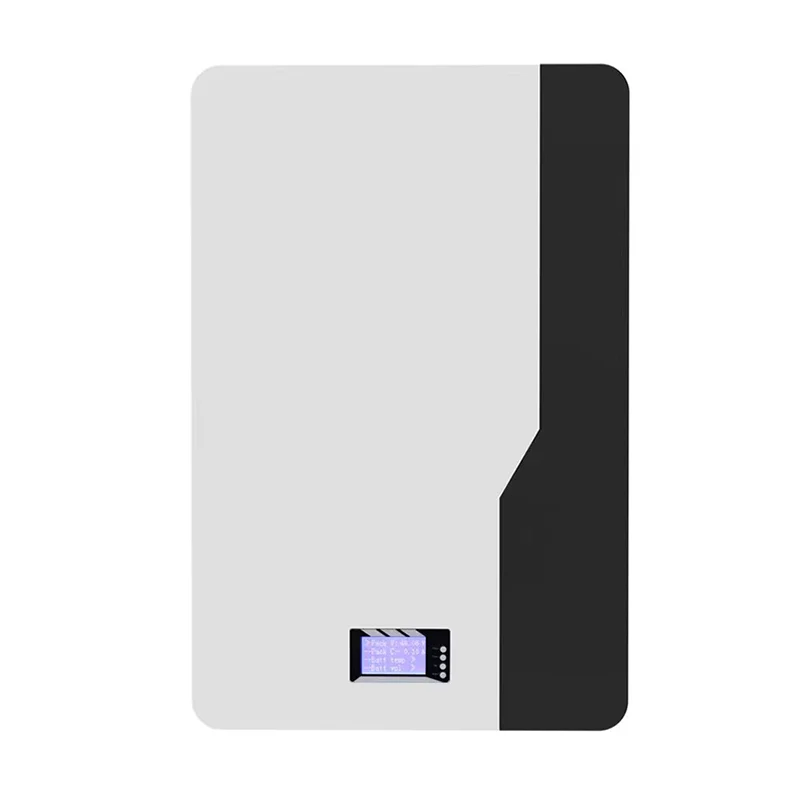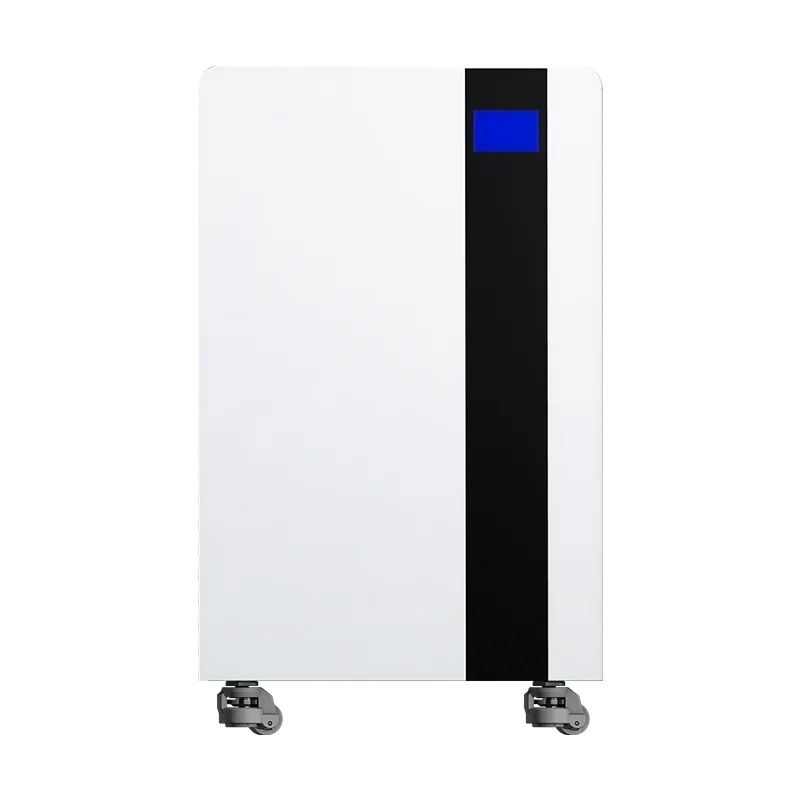
LiFePO4 battery platforms matched to inverter voltage, household load, backup duration, communication protocol and destination-market requirements.
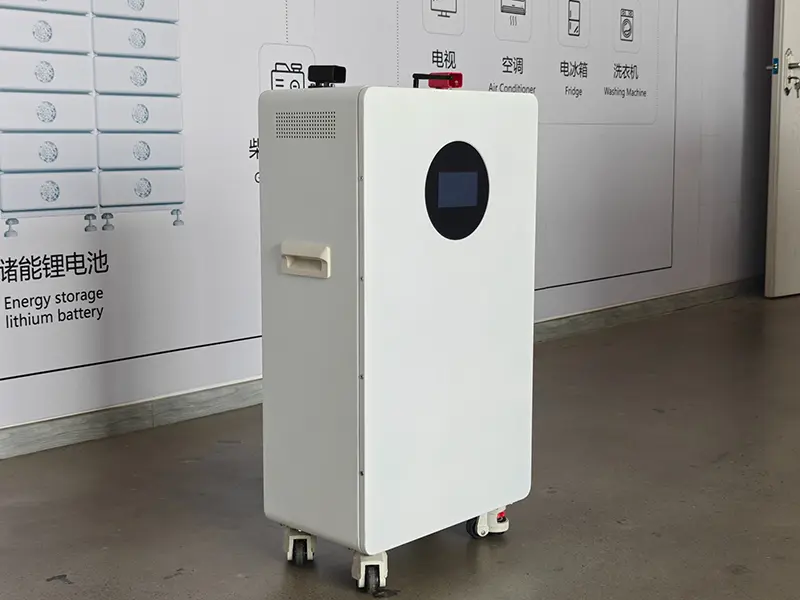
Floor-standing residential LiFePO4 energy storage battery.
|
Matched to the complete electrical system Battery capacity is only one part of system selection. The final configuration is checked against inverter DC range, continuous and peak load, CAN/RS485 communication, installation conditions and future expansion requirements. |
Residential storage selection starts with the exact inverter model. 48V / 51.2V inverter platforms normally use low-voltage battery banks, while high-voltage hybrid inverters require a series-connected HV battery platform matched to the inverter DC operating window.
|
System |
Typical format |
Expansion method |
Typical use |
|
48V / 51.2V LV |
Wall / floor / rack |
Matched packs in parallel |
Home solar, backup and off-grid residential systems |
|
High voltage |
Series-connected modules |
Add matched modules in series |
Higher-power residential, villa and larger distributed storage systems |
|
STEP |
CHECK |
SELECTION RULE |
|
1 |
Inverter platform |
48V / 51.2V battery input -> choose a low-voltage battery bank. High-voltage battery input -> choose an HV modular platform matched to the inverter DC window. |
|
2 |
Storage target |
Select the required usable energy and backup duration. Start from 10.24kWh or 16.08kWh class platforms, then expand with matched LV packs in parallel or HV modules in series where supported. |
|
3 |
Load and communication |
Confirm continuous and peak power/current, CAN or RS485 communication, exact protocol and inverter firmware before finalizing the battery configuration. |
|
4 |
Destination market |
Confirm the target country and model-specific compliance documents, labeling, transport documentation and any local approval or listing route required for the project. |
Final configuration is confirmed against the exact inverter model, storage target, load/current, CAN / RS485 requirements and destination market.
The current residential storage range covers 51.2V low-voltage battery systems and modular high-voltage platforms. Grade A LiFePO4 cells can be configured from EVE, DEJIN, REPT and CORNEX according to capacity, current requirement and project design.
|
Parameter |
NSTLV-10.2K |
51.2V 314Ah |
NSTFW-16K-HV |
|
Architecture |
Low voltage |
Low voltage |
High voltage modular |
|
Chemistry |
LiFePO4 |
LiFePO4 |
LiFePO4 |
|
Nominal energy |
10.24kWh |
16.08kWh |
16.08kWh per module |
|
Usable energy / DoD |
9.22kWh / 90% |
14.47kWh / 90% |
90% DoD |
|
Voltage |
51.2V |
51.2V |
256-716.8V system nominal |
|
Expansion |
Max. 15 packs parallel |
Max. 15 packs parallel |
5-14 modules in series |
|
Recommended current |
80A |
140A |
160A |
|
Maximum current |
120A |
200A |
200A |
|
Cycle life |
>=6,000 cycles |
>=8,000 cycles |
>=8,000 cycles |
|
IP / cooling |
IP54 / natural |
IP20 / natural |
IP20 / fan |
|
Communication |
CAN / RS485 / RS232 |
CAN / RS485 / RS232 |
CAN / RS485 |
|
Installation |
Wall / floor |
Floor-mounted |
Stack / iron frame |
|
Platform |
1 pack |
2 packs |
3 packs |
Platform limit |
|
NSTLV-10.2K |
10.24kWh |
20.48kWh |
30.72kWh |
Up to 15 packs parallel* |
|
51.2V 314Ah |
16.08kWh |
32.16kWh |
48.24kWh |
Up to 15 packs parallel* |
*Parallel quantity is a battery-platform capability. Final usable system size depends on inverter limits, BMS configuration, protection design and project requirements.
|
Module rating |
51.2V / 314Ah / 16.08kWh |
|
Series configuration |
5-14 modules |
|
System nominal voltage |
256-716.8V |
|
System nominal energy |
80.38-225.08kWh |
|
Usable energy at 90% DoD |
72.34-202.57kWh |
|
Working temperature |
-10°C to 55°C |
|
Communication |
CAN / RS485 |
*HV system voltage and energy ranges are configuration examples. Final series quantity is subject to the exact inverter DC window, BMS design and approved project specification.
Exact module quantity is selected against the inverter high-voltage DC window and required storage capacity.
|
Parameter & Specification Notice Specifications are reference values and may change with cell selection, BMS/firmware version, enclosure, inverter protocol, production optimization or project configuration. Final voltage, capacity, current limits, dimensions, weight, IP rating, communication, cycle-life conditions, certification scope and warranty terms are subject to the model-specific datasheet and the signed PI, technical agreement or contract for each order. Signed order documents prevail over website content. Non-contractual specifications may be updated without prior notice. |
HSS Energy low-voltage and high-voltage battery platforms can be configured for mainstream hybrid and energy-storage inverter platforms. Compatibility is confirmed by exact inverter model, battery voltage range and CAN/RS485 communication protocol before final configuration.
|
Brand |
Example compatible series / platform |
|
|
Deye |
SUN-7/7.6/8/10/12K-SG06LP1-EU-CM3 |
|
|
Solis |
S6-EH3P(60-75)K10-LV-YD-H |
|
|
Growatt |
SPE 12000 ES |
|
|
GoodWe |
Additional supported models - confirm exact model |
|
|
Afore |
Additional supported models - confirm exact model |
|
|
Megarevo |
Additional supported models - confirm exact model |
|
|
Why exact model confirmation matters A compatible brand name does not mean every inverter model uses the same voltage range, protocol or current limit. Matching the exact model before shipment reduces commissioning changes and communication troubleshooting. |
||
Selected project references demonstrate both low-voltage parallel systems and high-voltage modular configurations across different markets.
|
Market |
System capacity |
Architecture |
Inverter |
|
|
Germany |
64.3kWh |
High voltage |
Deye |
|
|
Mauritius |
32.15kWh |
Low voltage |
Solis |
|
|
Malaysia |
144.69kWh |
High voltage |
Deye |
|
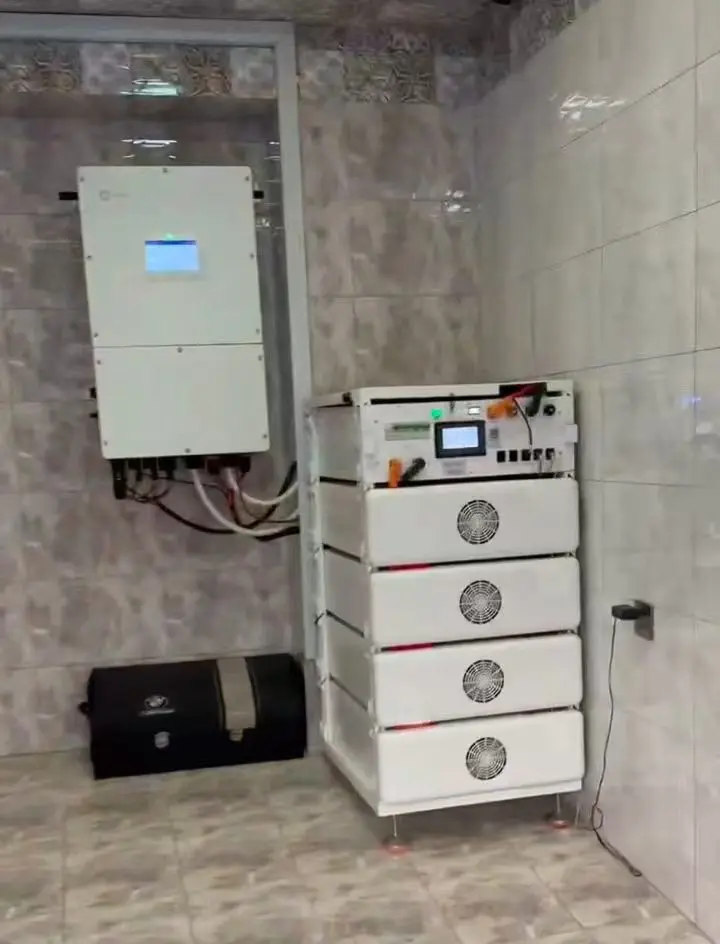
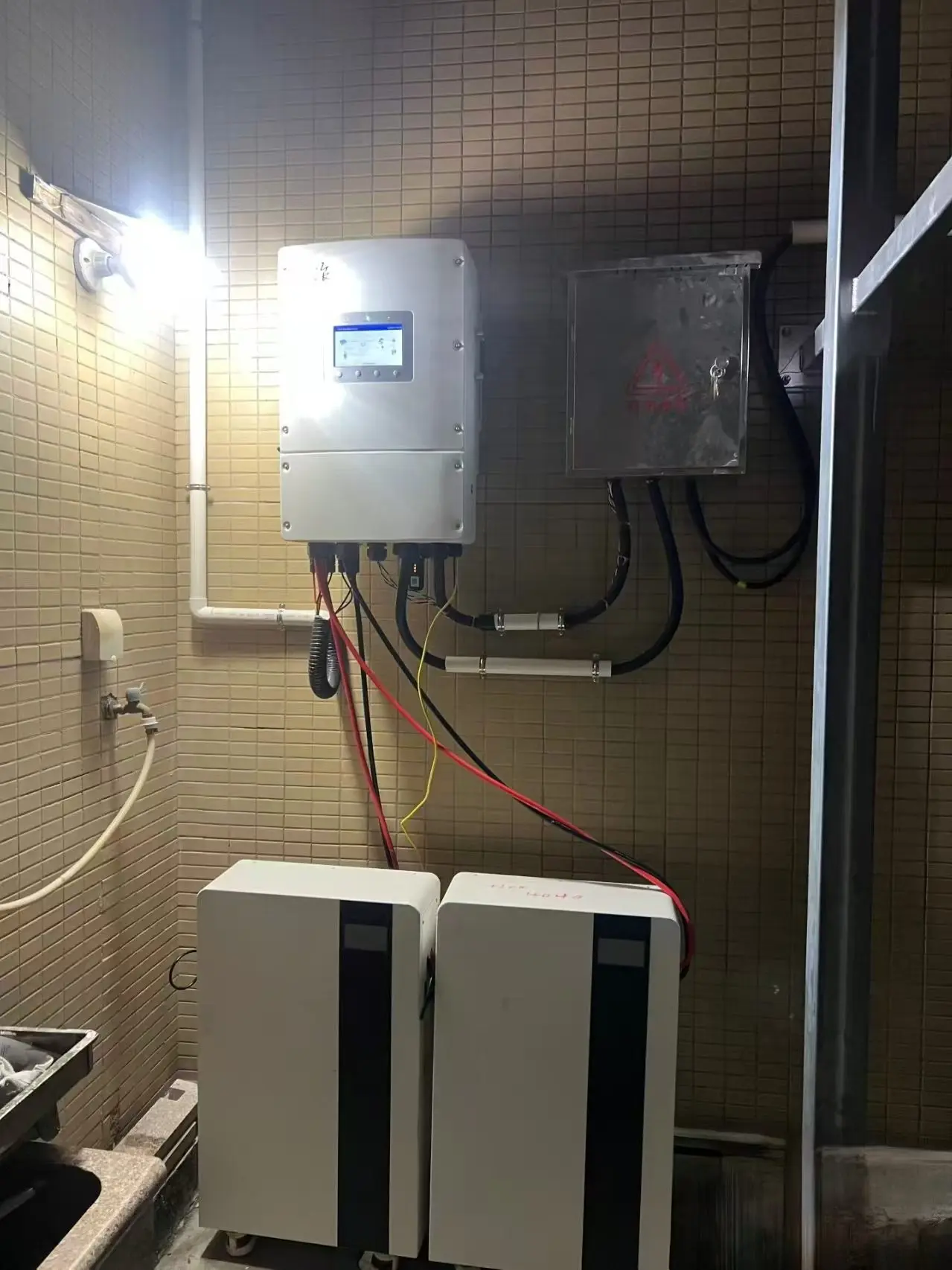
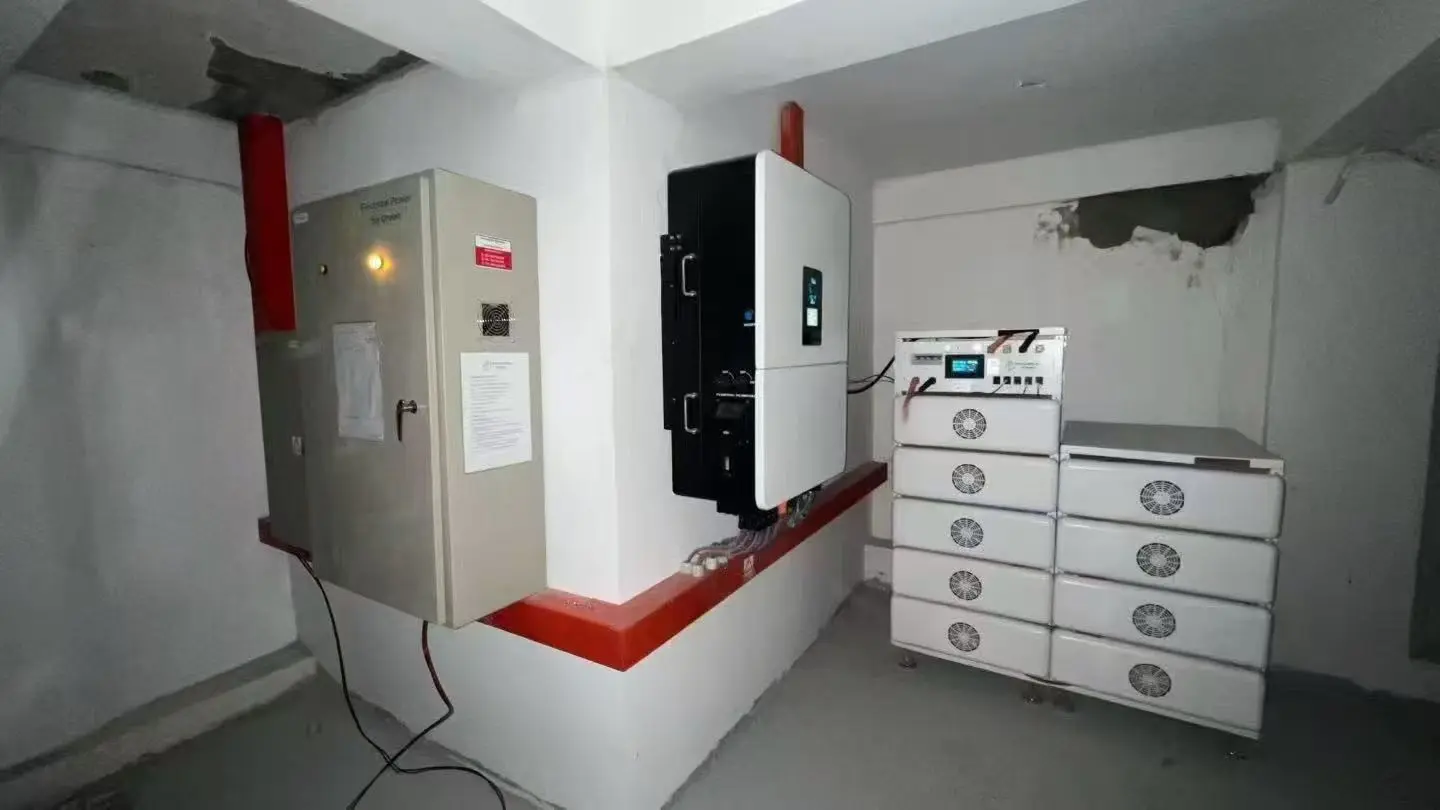
Selected field installation photos supplied for HSS Energy residential and distributed storage projects.
A residential storage battery must be matched electrically and digitally to the inverter. BMS configuration, charge/discharge current limits and communication behavior are checked together with the battery architecture.
|
Engineering check |
Project requirement |
|
Electrical window |
Nominal voltage, charge voltage, cut-off voltage and inverter input range |
|
Power capability |
Continuous and peak charge/discharge current |
|
Communication |
CAN or RS485 protocol, SOC reporting, alarms and protection status |
|
Thermal design |
Natural or fan cooling according to the battery platform |
|
Mechanical integration |
Wall, floor, rack, stack or iron-frame installation |
|
Expansion |
Parallel or series architecture matched to the inverter and BMS design |
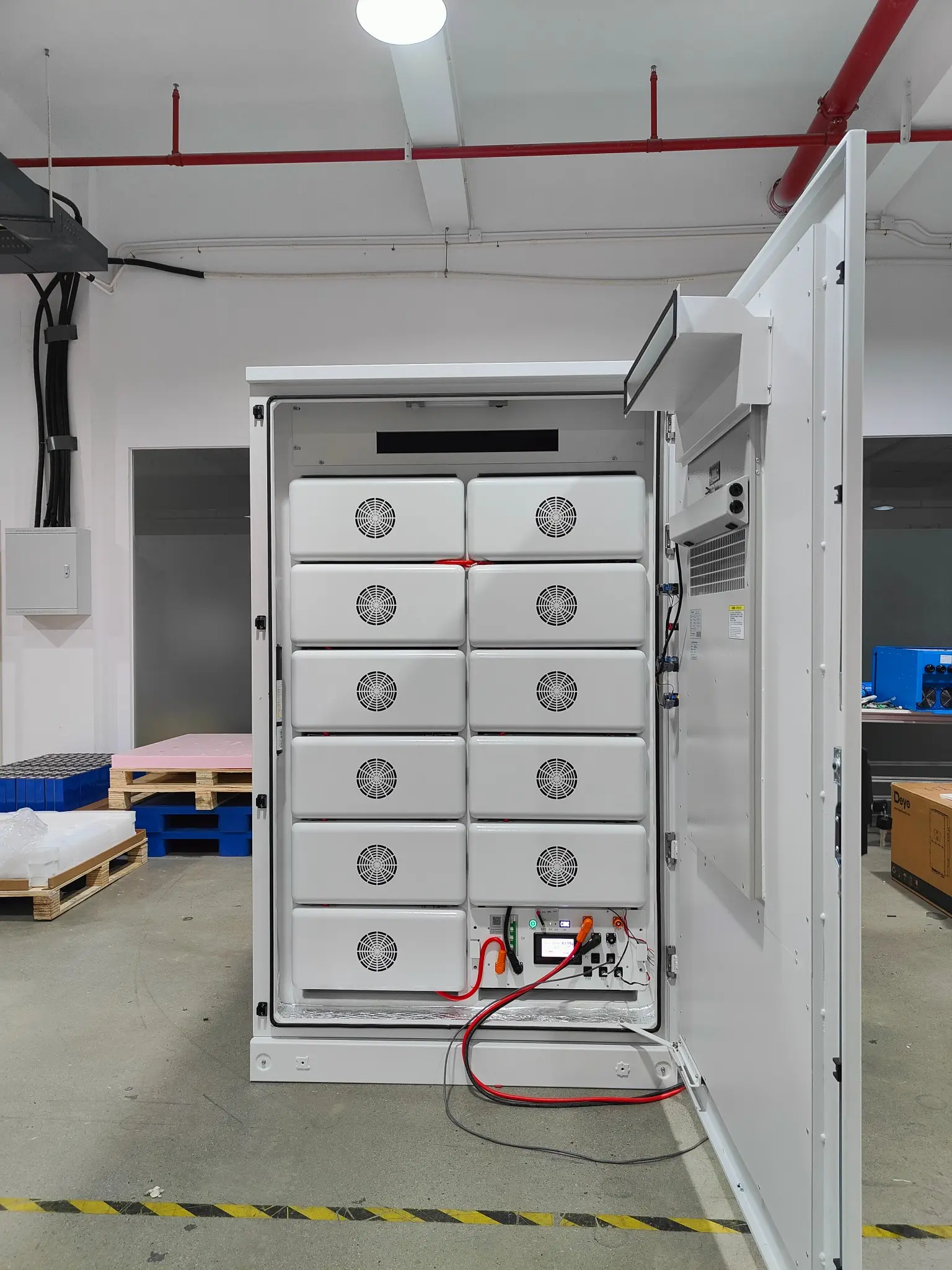
Modular battery system integration and internal electrical assembly.
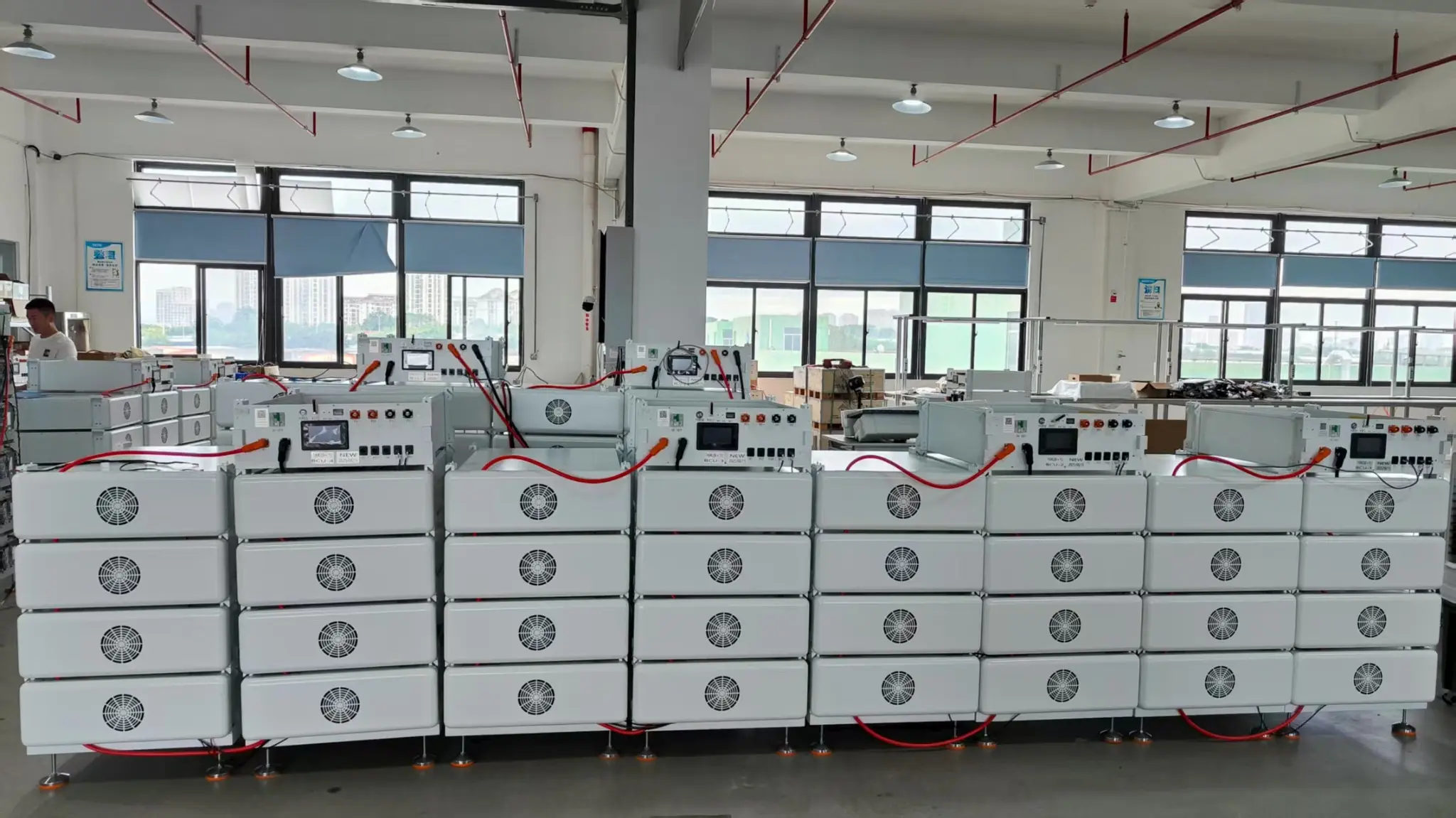
Battery modules undergoing assembly and electrical verification before system integration.
· Cell and module consistency inspection
· Pack voltage, polarity and insulation checks
· Charge and discharge function verification
· BMS protection and current-limit verification
· CAN / RS485 communication check where required
· Final wiring, connector and system function inspection
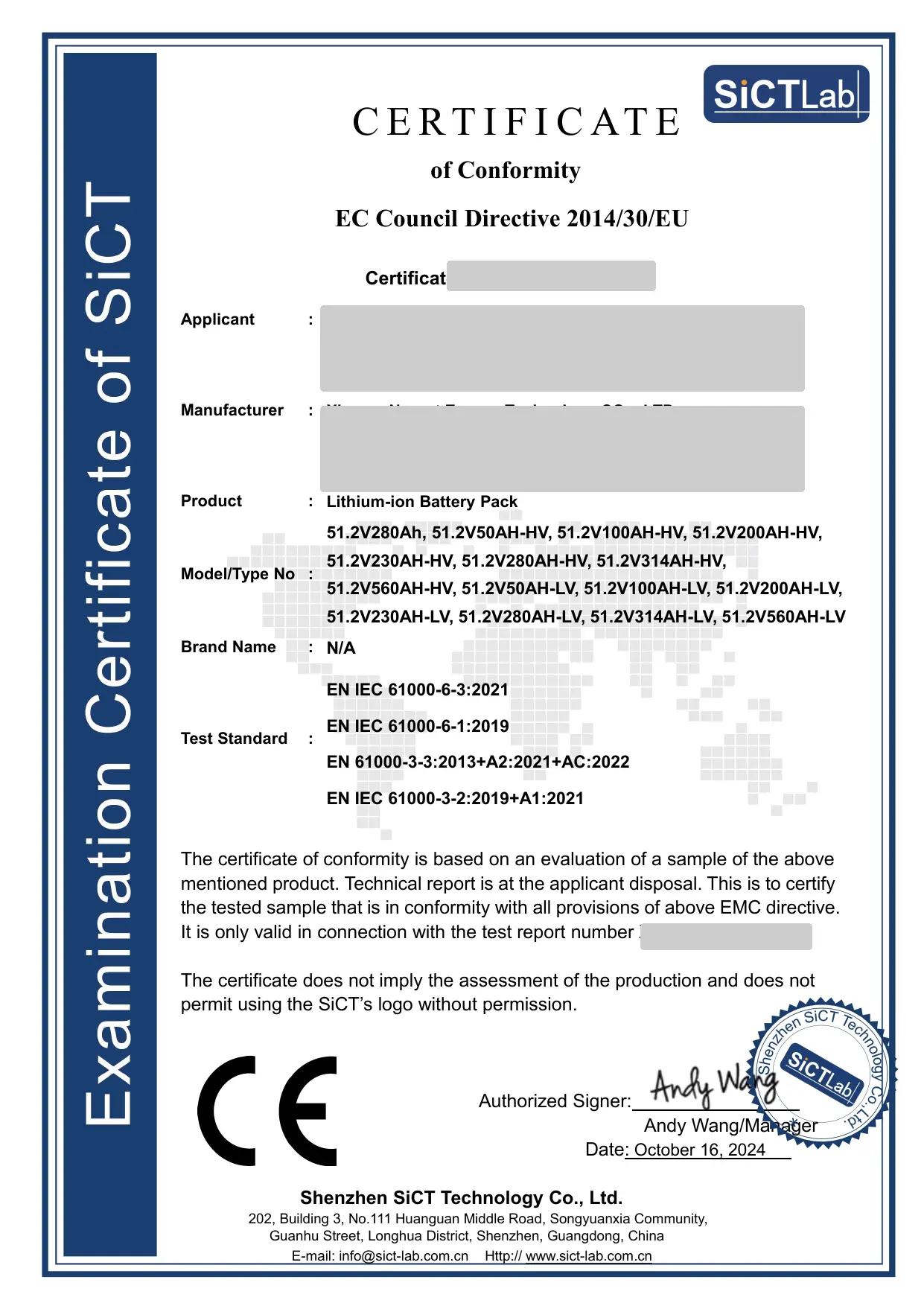
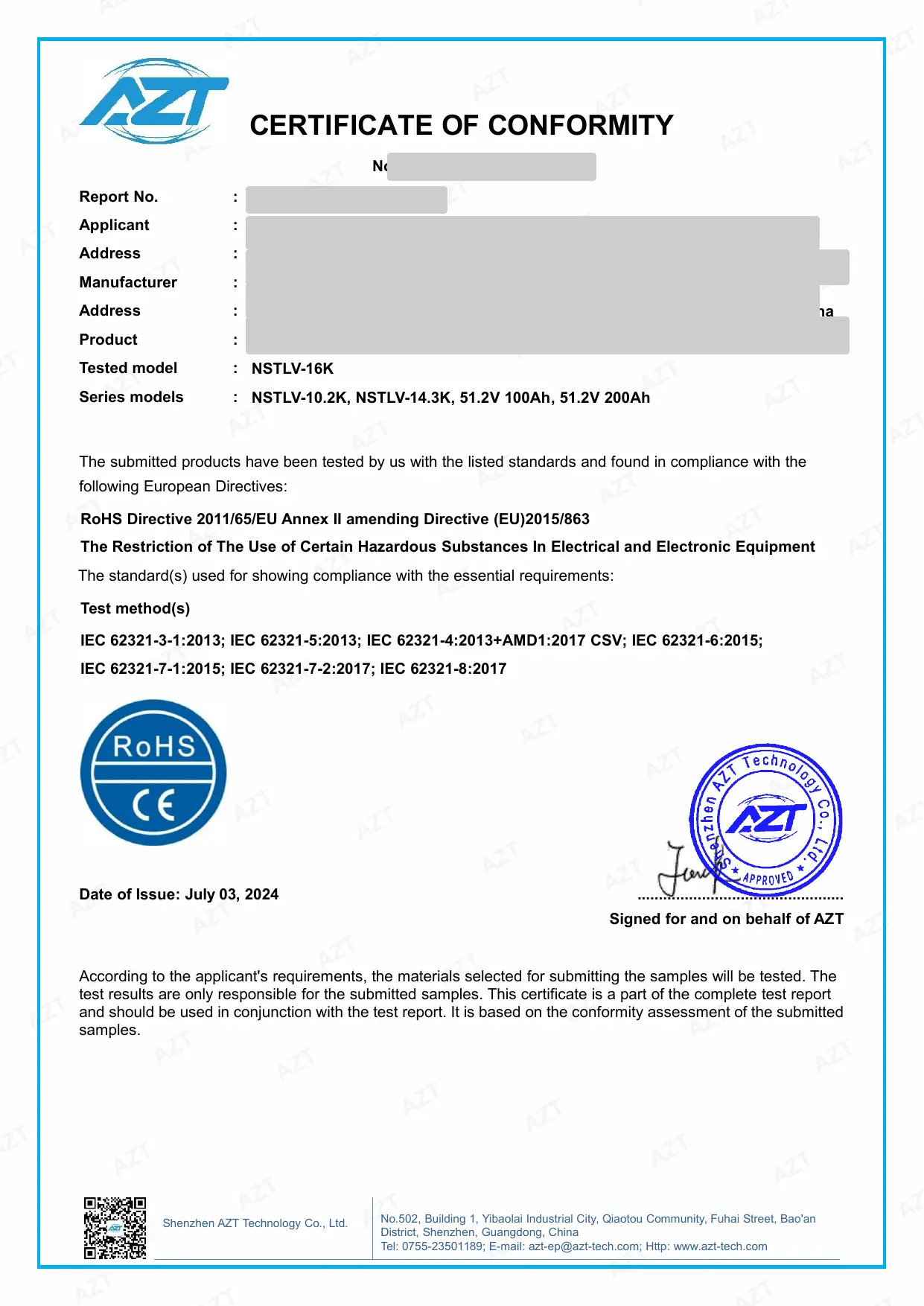
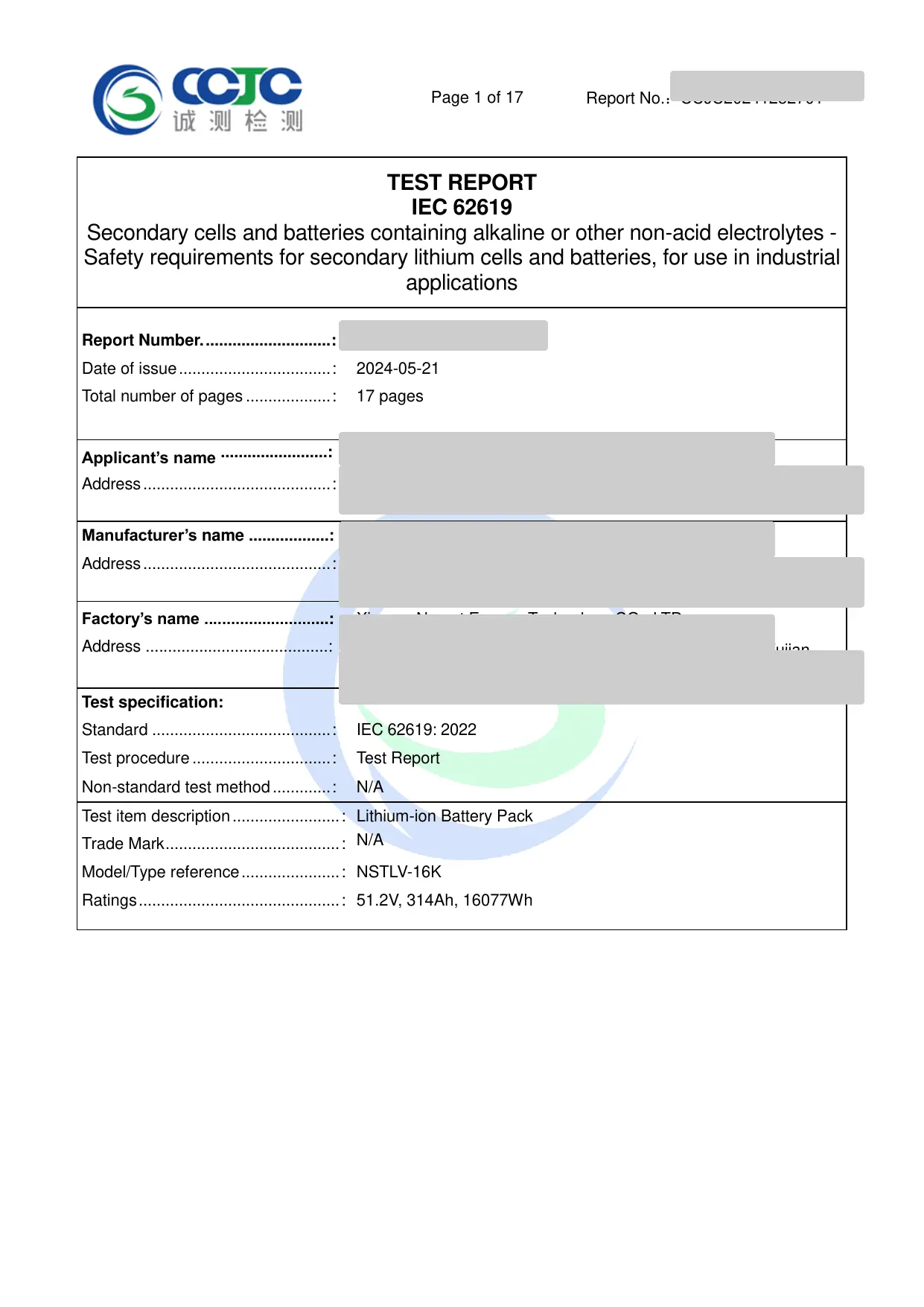
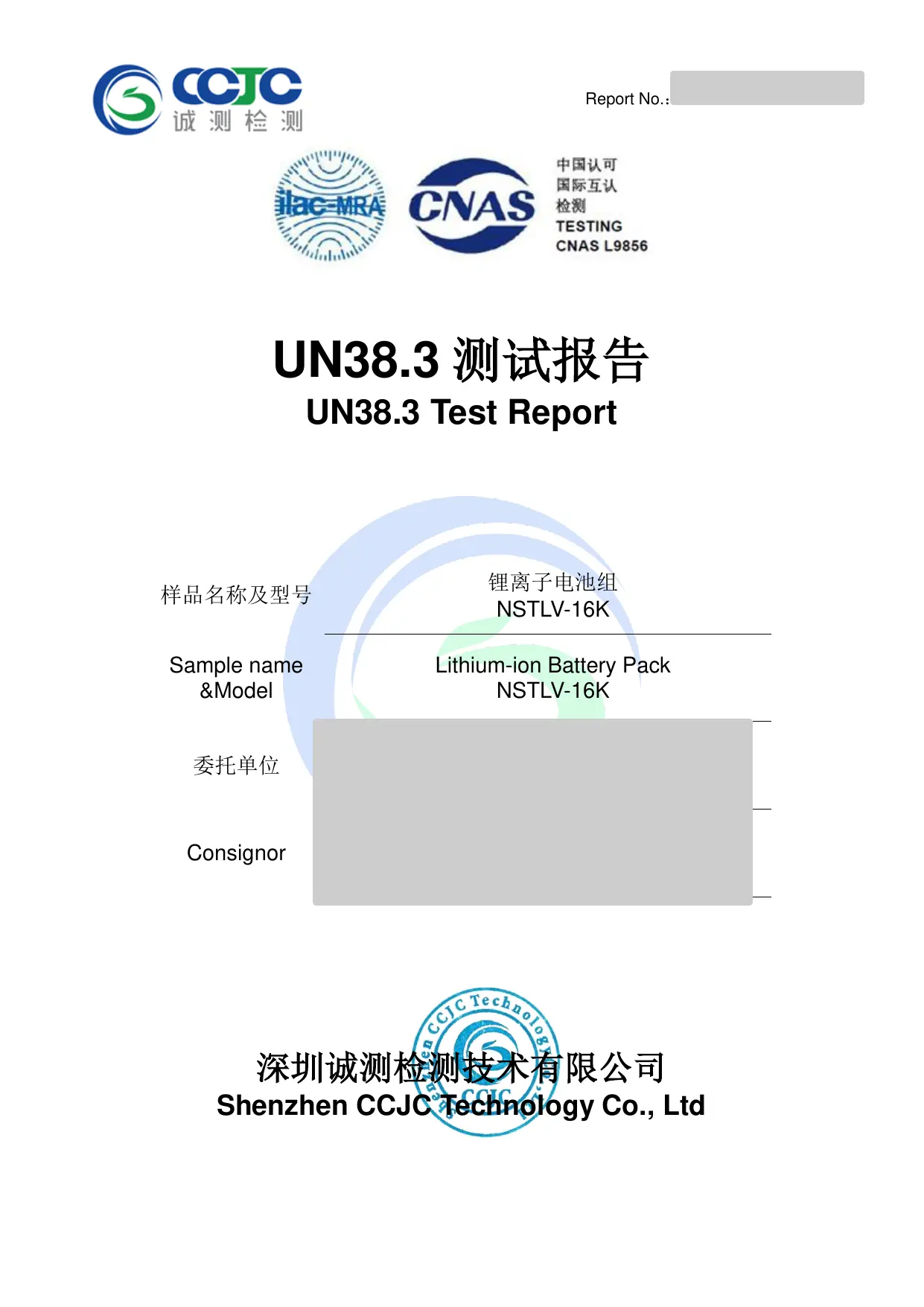
Model-specific documentation is available for selected battery products. Certificate and report scope should always be checked against the exact model before publication or shipment.
|
|
|
|
|
|
CE / EMC |
RoHS |
IEC 62619 |
UN38.3 |
MSDS documentation is also available for the tested NSTLV-16K reference model. Model-specific copies can be provided upon request.
|
STANDARD WARRANTY 5 years |
EXTENDED WARRANTY Additional 5 years available |
Warranty scope and extension terms are confirmed for the selected battery model and project conditions.
|
EUROPE Current CE / EMC and RoHS documents apply only to the models listed in the corresponding reports. EU Regulation 2023/1542 adds battery-specific obligations beyond EMC/RoHS. Industrial batteries above 2kWh require a battery passport from 18 February 2027. Confirm the exact model, technical documentation and economic-operator obligations before market launch. |
AUSTRALIA IEC 62619 and UN38.3 provide supporting technical evidence, but Australian market access and Clean Energy Council listing are separate requirements. During 2026 the CEC is transitioning to SA TS 5398; from 1 January 2027 new Approved Batteries List applications are accepted only under SA TS 5398. |
MIDDLE EAST Requirements differ by country. Saudi Arabia projects should check the SASO Technical Regulation for Electrical Batteries and the applicable SABER conformity route. In the UAE, products subject to technical regulations may require a UAE Certificate of Conformity through MoIAT; accredited laboratory test reports form part of the application package. |
Regulatory note: requirements change over time. Verify the current model scope, local listing route, labels, importer obligations and transport documentation before publishing market-specific compliance claims.
A practical battery proposal can normally be prepared once the following project information is available:
1. Target country / market
2. Inverter brand and exact model
3. Required storage capacity or target backup time
4. Maximum continuous and peak load
5. Low-voltage or high-voltage architecture
6. Indoor / outdoor installation and available space
7. Communication protocol requirement
8. Required compliance documents and estimated order quantity
|
Project enquiry Send the inverter model, target storage capacity, maximum load, installation method and destination market. HSS Energy can then evaluate the battery voltage, module configuration, BMS communication and documentation package for the project. |
HSS Energy supplies low-voltage and high-voltage LiFePO4 battery platforms for residential solar self-consumption, backup power and off-grid applications, with project-based configuration for inverter communication, capacity expansion and installation format.