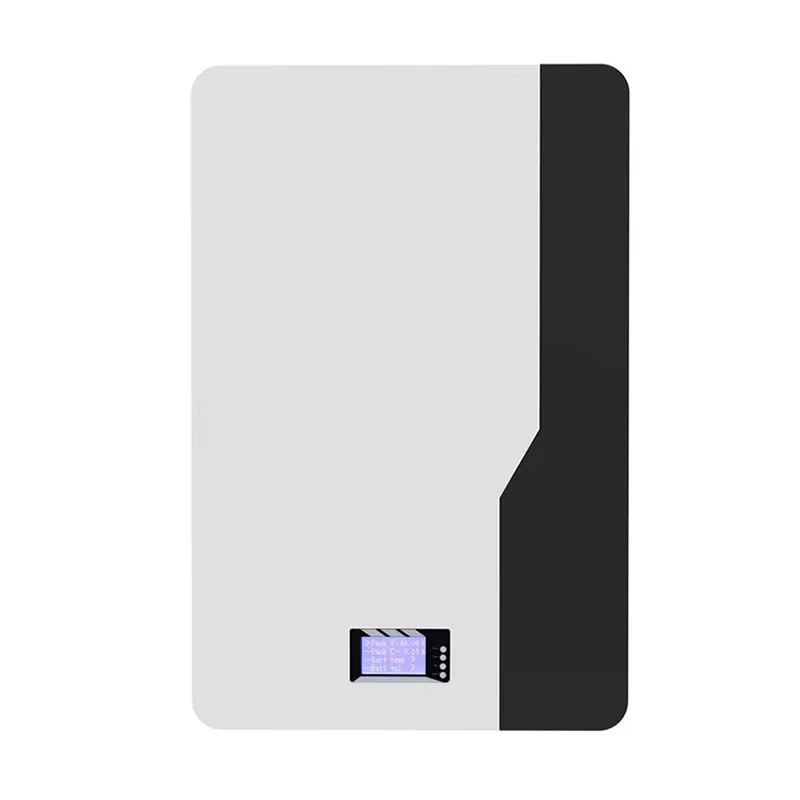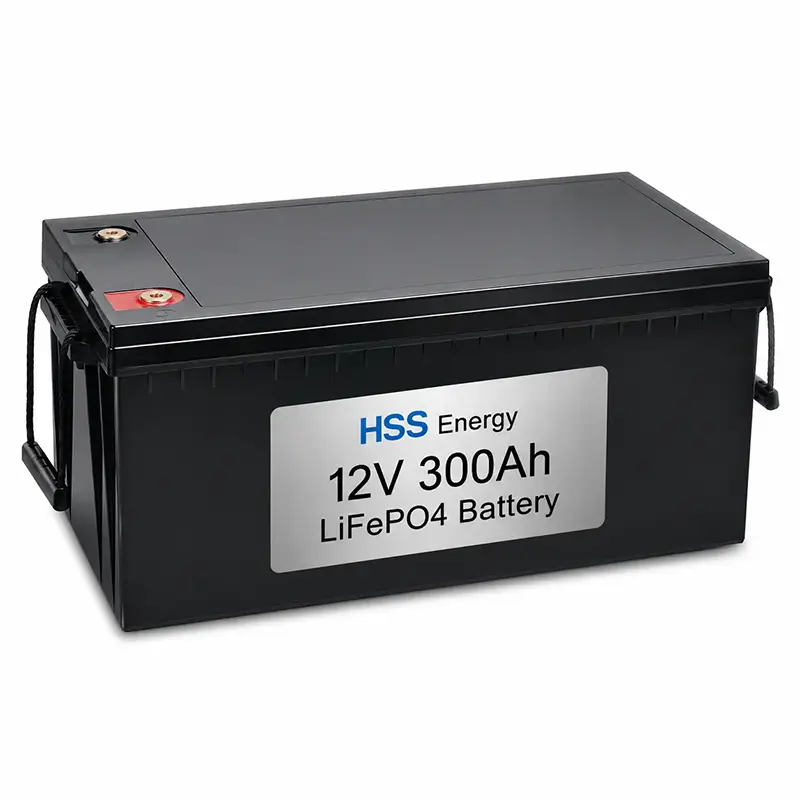
Commercial energy storage should be sized from the site's electrical behavior, not from battery capacity alone. Peak demand, daily load profile, photovoltaic generation, tariff structure, backup requirements, grid connection limits and operating hours determine the required battery power and energy. HSS Energy supports project-based LiFePO4 battery solutions for commercial and light industrial energy storage applications.
|
Primary Goal |
System Focus |
Battery Architecture |
Project Inputs |
|
Peak shaving / TOU / PV self-use / backup |
kW + kWh + load profile |
Modular LiFePO4 / high-voltage systems |
Load data / PV / grid / tariff / backup |
Commercial projects usually have a different objective from residential storage. The battery is part of an operating strategy for the site rather than only a backup source.
|
Operating Objective |
Typical Commercial Value |
|
Peak Shaving |
Discharge during short high-load periods to reduce grid peak demand |
|
Time-of-Use Energy Shifting |
Charge during lower-tariff periods and discharge during higher-tariff periods where the tariff structure supports it |
|
PV Self-Consumption |
Store excess daytime solar generation for later site use |
|
Critical-Load Backup |
Maintain selected equipment during grid interruption where the system architecture supports backup operation |
|
Grid Capacity Support |
Use storage to reduce short-duration demand above the site's available grid capacity |
|
EV Charging Support |
Supplement grid power during charging peaks where site design and equipment allow |
|
Step |
Selection Point |
Engineering Check |
|
1 |
Site Load Profile |
Collect peak load, average load, operating hours and interval load data |
|
2 |
Project Objective |
Peak shaving / TOU shifting / PV self-consumption / backup / grid capacity support |
|
3 |
Power Requirement |
Determine target battery discharge/charge power in kW |
|
4 |
Energy Requirement |
Determine required operating duration and battery energy in kWh |
|
5 |
System Architecture |
Battery + BMS + PCS/inverter + EMS + metering + protection |
|
6 |
Market and Site Review |
Installation environment, grid rules, documentation and target-country requirements |
|
7 |
Validation |
Confirm protocol, electrical design, operating strategy and final project specification |
A commercial site can have the same daily energy consumption as another site but require a very different storage system because the peak power and operating schedule are different. For this reason, kW and kWh must be evaluated separately.
|
Required Data |
Why It Matters |
|
Peak load (kW) |
Defines the highest site demand and possible peak-shaving target |
|
Average load (kW) |
Shows the normal operating baseline |
|
Interval load curve |
Reveals when and how long peaks occur |
|
Daily consumption (kWh) |
Provides overall energy context |
|
PV capacity and generation profile |
Shows charging opportunity and solar surplus |
|
Grid connection capacity |
Defines site import constraints |
|
Tariff structure |
Determines whether time shifting or demand reduction has economic value |
|
Critical-load requirement |
Defines backup power and duration where applicable |
A typical commercial energy storage project coordinates several subsystems. The exact architecture depends on the site and whether the system is grid-connected, backup-capable or integrated with PV.
|
PV / Grid |
Meter |
EMS |
PCS / Inverter |
Battery BMS |
Battery System |
Site Loads |
|
Energy source |
Data / demand |
Strategy |
Power conversion |
Protection / data |
Energy storage |
Factory / hotel / building / charging |
The EMS determines when the battery should charge or discharge according to the operating strategy. The PCS or compatible commercial inverter handles power conversion. The BMS supervises battery voltage, current, temperature and protection conditions. Communication and control logic must be confirmed between the selected equipment before final project approval.
The following example is for explaining the sizing logic only; it is not a fixed HSS Energy product specification.
|
Illustrative Site Input |
Example Value |
|
Measured site peak |
350kW |
|
Target grid demand limit |
250kW |
|
Required ESS discharge power |
Approximately 100kW during the peak |
|
Peak duration |
2 hours |
|
Initial energy estimate |
100kW × 2h = 200kWh |
The 200kWh figure is only the initial energy estimate. Final system sizing must also consider usable DoD, system efficiency, reserve margin, battery degradation, temperature, charge opportunity, PCS rating and actual peak-duration data. A project should not be sized from one peak-load number alone.
LiFePO4 is commonly selected for stationary commercial storage because of its cycle capability and stable thermal characteristics. Battery architecture can be developed as modular high-voltage systems, rack-based systems or integrated cabinets according to the project.
For HSS Energy energy-storage projects, Grade A LiFePO4 cell options can include EVE, DEJIN, REPT and CORNEX, subject to the required capacity, current, cycle performance, mechanical design and supply conditions.
|
Selection Factor |
Commercial ESS Consideration |
|
Cell capacity and consistency |
Supports module-level capacity matching and system stability |
|
Charge/discharge current |
Must match PCS power and operating strategy |
|
Cycle requirement |
Depends on expected daily cycling and depth of discharge |
|
Temperature range |
Must match the installation environment and thermal-control design |
|
Module structure |
Affects serviceability, cabinet layout and system expansion |
|
Supply continuity |
Important for repeat orders and long-term system maintenance |
Commercial storage requires coordinated control rather than isolated battery operation. The battery BMS, PCS/inverter and EMS should exchange the information needed for safe operation and dispatch.
|
Layer |
Typical Function |
|
BMS |
Cell and pack monitoring, voltage/current/temperature protection, SOC and alarm status |
|
PCS / Commercial Inverter |
Bidirectional charge/discharge power conversion |
|
EMS |
Operating schedule, peak-shaving target, PV coordination, SOC strategy and site-level control |
|
Meter / Site Controller |
Measures grid import/export and site demand |
|
Communication |
Project-specific CAN / RS485 / Ethernet / Modbus or equipment-defined protocol as applicable |
Communication support is confirmed by exact equipment model and protocol. A brand name alone is not sufficient to confirm complete system compatibility.
|
Application |
Typical Storage Objective |
|
Factory |
Peak shaving, PV self-consumption, critical-load support |
|
Hotel |
Time shifting, solar utilization, selected backup loads |
|
Office / Commercial Building |
Peak-demand control, PV integration, backup of critical systems |
|
Farm / Agricultural Facility |
Solar utilization, grid-capacity support, backup for selected loads |
|
EV Charging Site |
Reduce short-duration grid peaks and supplement charging demand |
|
Small Microgrid |
Coordinate PV, battery, grid and optional generator according to project design |
Commercial projects benefit from a modular battery architecture because power and energy can be matched to the site rather than forcing every project into one fixed cabinet size. Expansion must be checked against the BMS architecture, PCS rating, busbar/cable design, protection and EMS control strategy.
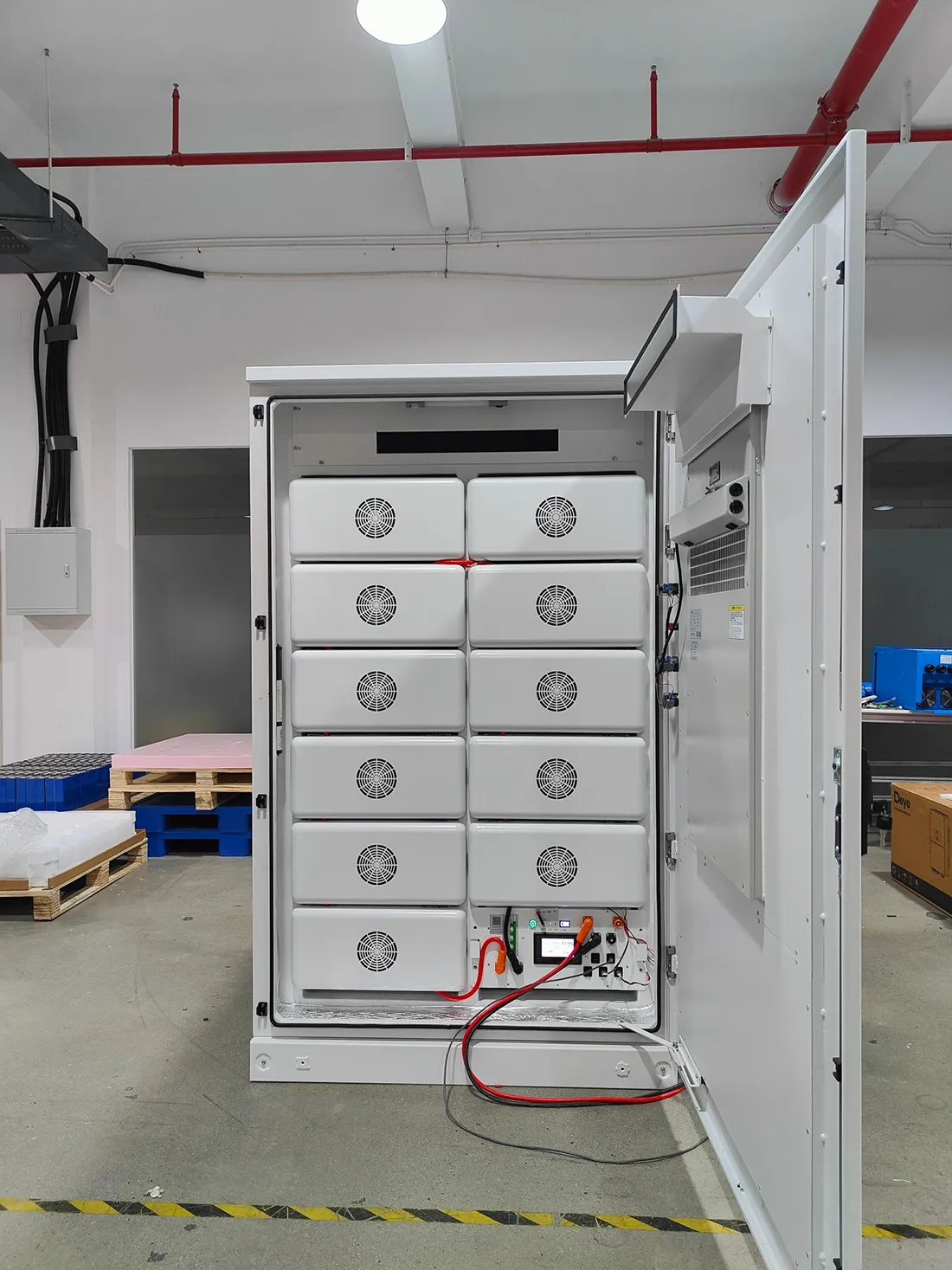
Modular battery cabinet integration and electrical assembly
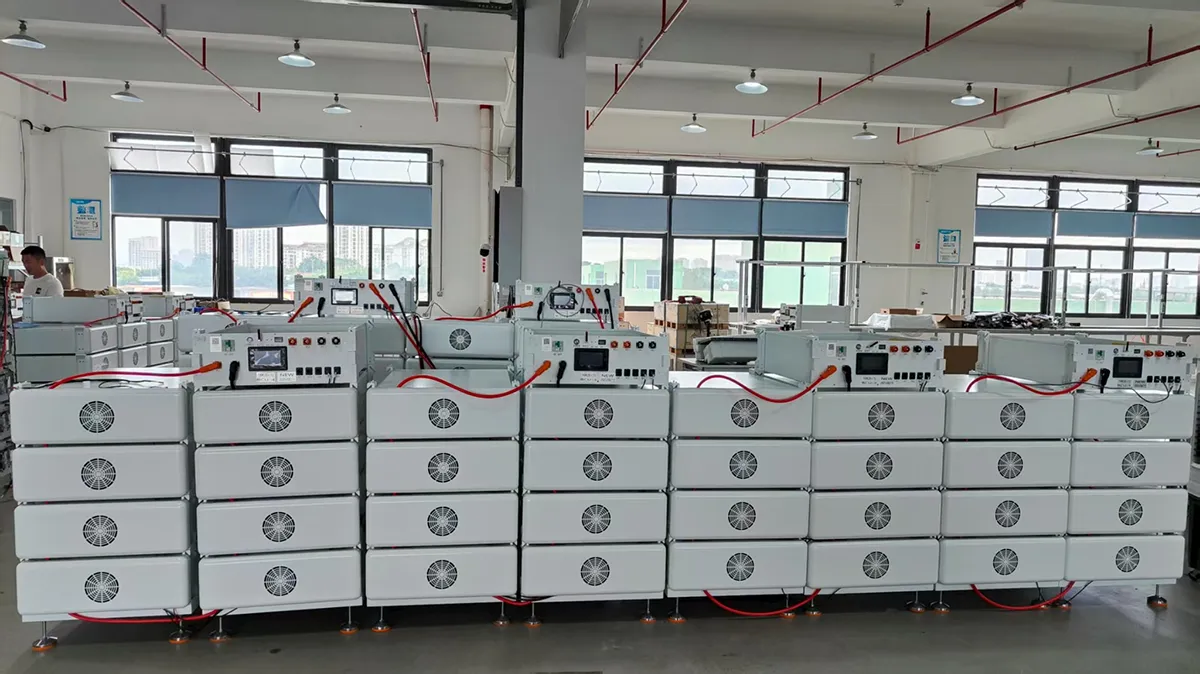
Battery modules under system assembly and electrical verification
Commercial ESS safety should be handled as a layered system design. The exact protection and thermal-management package depends on the final product and site. Typical engineering review covers:
· Cell and module voltage monitoring
· Charge/discharge current protection
· Over-temperature and low-temperature limits
· Short-circuit and over-current protection
· Insulation and electrical connection inspection
· Cable, busbar, fuse and breaker coordination
· Cabinet thermal-management design
· Emergency isolation / shutdown according to the selected system architecture
· Communication and alarm verification
· Charge/discharge and functional testing before shipment
Selected HSS Energy energy-storage battery models are supported by IEC 62619, CE, UN38.3 and MSDS documentation. Certification scope is model-specific and should be confirmed against the final battery configuration and destination market.
For commercial projects, battery documentation does not by itself establish complete site approval. PCS, switchgear, installation, grid connection and local authority requirements may have separate compliance obligations.

Selected documentation examples with company/address/report-number information redacted
· Country and installation site
· Site type and operating schedule
· Peak load (kW) and average load (kW)
· Interval load data where available
· Daily energy consumption (kWh)
· PV capacity and generation profile
· Grid connection capacity
· Tariff structure / peak and off-peak periods
· Required backup loads and backup duration, if applicable
· Target ESS power (kW) and energy (kWh), if already defined
· Indoor / outdoor installation and ambient conditions
· Selected PCS/inverter/EMS brand and model, if already selected
· Required certification and estimated project quantity
System examples, operating strategies and sizing illustrations shown on this page are for preliminary engineering discussion. Final battery energy, system power, voltage range, current, usable capacity, cell model, BMS, PCS/EMS interface, cabinet structure, thermal management and protection scheme may change according to the site load profile, selected equipment, destination market and final project design.
Final specifications are subject to the approved project datasheet, technical agreement, single-line diagram, PI or contract. Where website information differs from an approved project document, the approved project document shall prevail.
Provide the site load profile, peak demand, PV capacity, grid connection, operating objective and target market. HSS Energy can evaluate the battery architecture and the key power/energy parameters required for a commercial energy storage project.
-