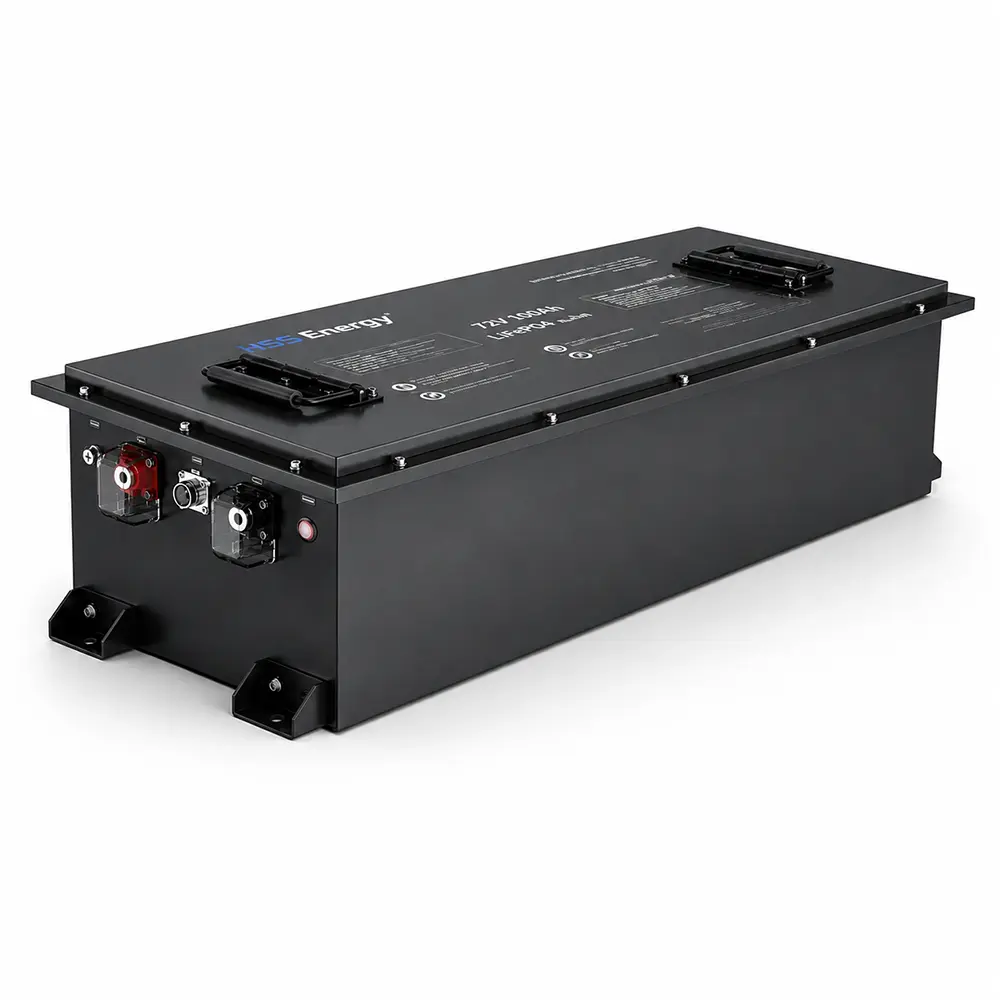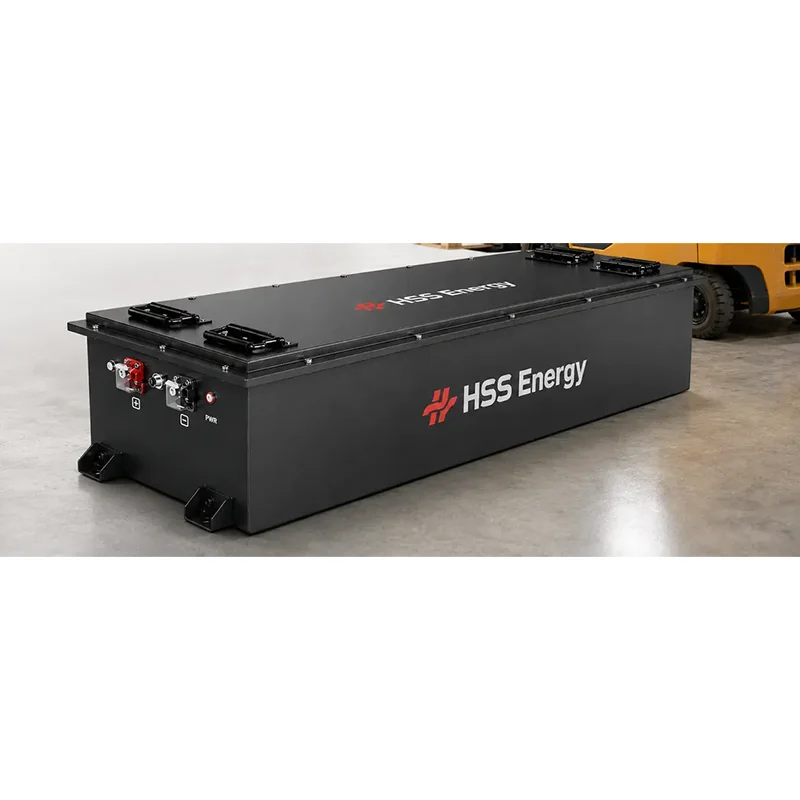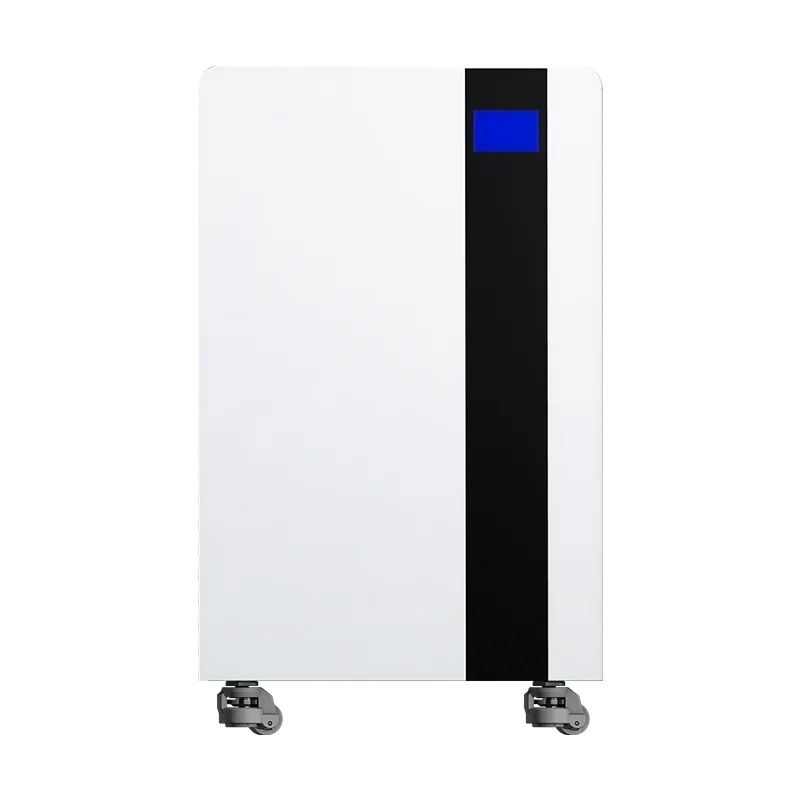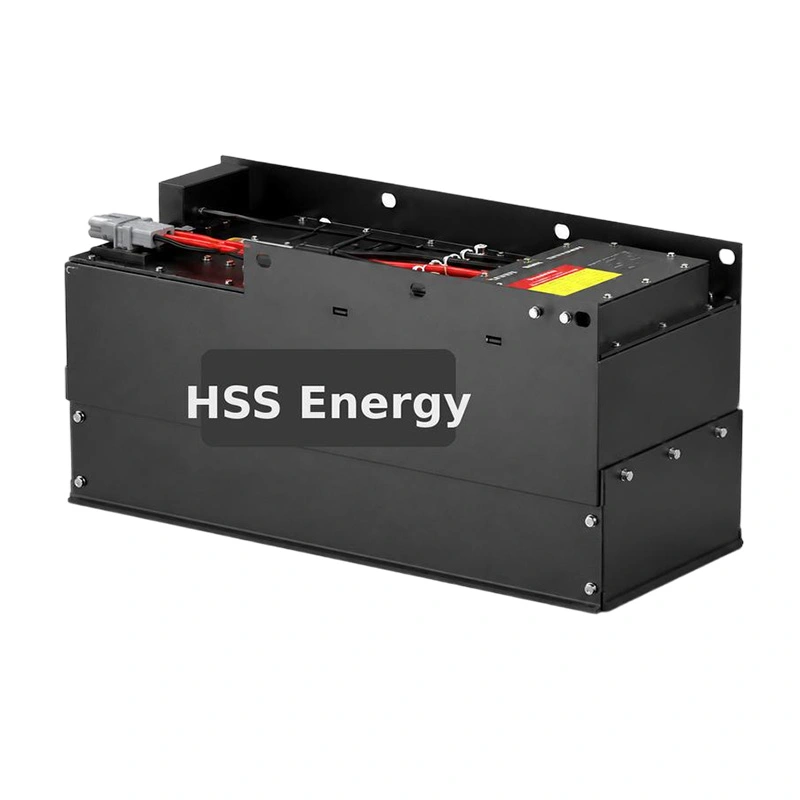
Specified for replacement and OEM projects, this 48V 210Ah LiFePO4 Forklift Battery produced by HSS Energy uses a 949 x 374 x 449 mm metal enclosure with an indicated 200 kg pack weight. Selection is based on truck fit rather than a generic runtime claim: battery-bay dimensions, minimum battery weight or counterweight needs, connector orientation, charger profile, traction and hydraulic current demand, and communication are reviewed before production approval.
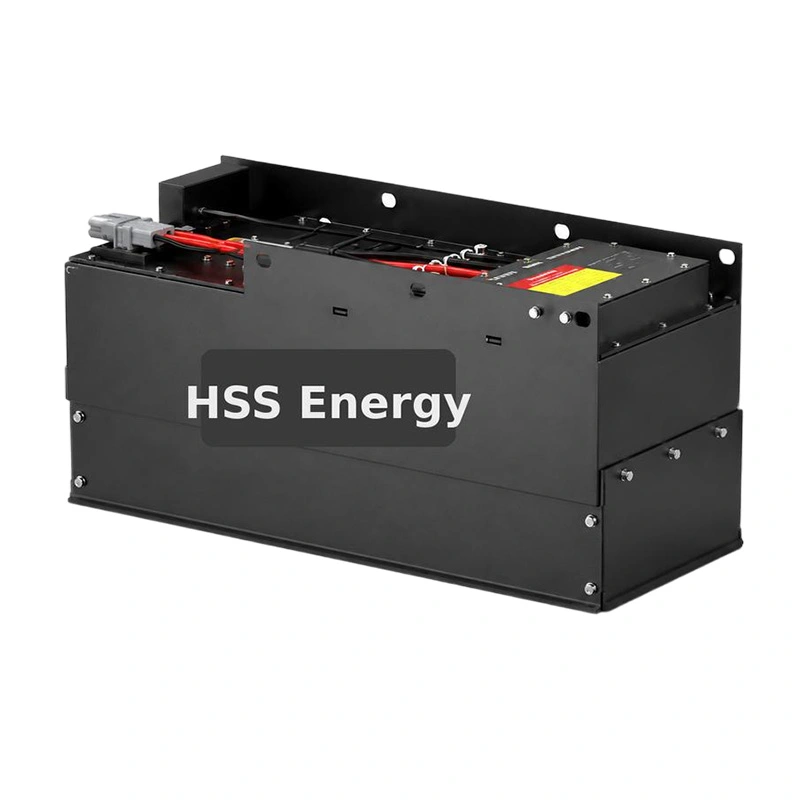
Forklift-first power solution for replacement, OEM and fleet projects
|
Product voltage class |
48V |
|
Nominal battery configuration |
51.2V 210Ah LFP |
|
Rated capacity |
210Ah |
|
Nominal energy |
10.75kWh |
|
Chemistry |
LiFePO4 / LFP |
|
Dimensions (L × W × H) |
949 × 374 × 449 mm |
|
Pack weight |
200 kg |
|
Housing |
Metal enclosure |
|
Power connection |
Top-mounted connection area; final connector type and orientation are confirmed per project |
|
Charge / discharge limits |
Confirmed against the approved truck, BMS and charger configuration |
|
Communication / interface |
Confirmed according to equipment and charger requirements |
48V is the system / market voltage class; the reference LFP pack is specified at 51.2V nominal.
Project Configuration Review Charge current, continuous and peak discharge limits, charger settings, connector details and communication interface are confirmed for the approved vehicle configuration before production.
The 210Ah configuration provides a stated 10.75kWh energy platform. For a 48V LiFePO4 forklift battery, energy should be treated as a sizing input rather than a guaranteed shift-length claim. Actual operating time depends on traction load, hydraulic work, lift cycles, travel distance, temperature, vehicle efficiency, usable SOC window and the charging strategy used by the fleet.
Sizing input Share working hours, typical load, lift frequency, travel pattern and charging windows so capacity can be judged against the real duty profile.
A 48V forklift battery should be selected as part of the truck power system, not by voltage label alone. Check the controller operating range, charger profile, current demand, power connector, interlock and any BMS communication together before treating the voltage class as a fit decision.
For a forklift battery replacement, compare the existing lead-acid or lithium tray with the proposed pack as one system: controller window, charger profile, connector / interlock, battery mass and any communication interface. This reduces the risk of treating voltage alone as proof of fit.
|
Fit item |
customers input |
Decision impact |
|
Truck / controller |
Model and controller voltage range |
Confirms electrical system match |
|
Charger |
Model, output and charge profile |
Confirms charging compatibility |
|
Current demand |
Continuous load and short-duration peaks |
Defines BMS and cable requirements |
|
Connector / interface |
Photos, type, orientation, communication |
Confirms physical and electrical connection |
The 210Ah lithium forklift battery is shown in a 949 × 374 × 449 mm metal enclosure with an indicated 200 kg pack weight. For a replacement project, the battery bay, cable clearance, lifting access, retention points and connector direction should be checked against the truck. Battery mass also matters because some forklifts use the traction battery as part of the counterweight system.
|
Mechanical check |
What to confirm |
Why it matters |
|
Battery compartment |
Available L × W × H and service clearance |
Prevents enclosure or cable interference |
|
Battery mass |
Existing battery weight and minimum truck requirement |
Supports counterweight and stability review |
|
Retention / lifting |
Tray, fixing method and installation access |
Supports safe installation and service |
|
Connector position |
Cable exit and connector orientation |
Avoids cable strain and access problems |
This page is intentionally focused on the electric forklift use case. For customers sourcing a forklift lithium battery, the first decision is whether the pack fits the truck electrically, mechanically and operationally. Other material-handling platforms such as AGV, AMR, pallet truck and tow tractor can be reviewed separately because battery-bay geometry, charging architecture and communication requirements may differ.
When a 48V lift truck battery is being evaluated for an existing fleet, share the truck model and current battery data before requesting a like-for-like quote. This helps distinguish a simple dimensional fit from a full electrical, charger and counterweight match.
● Forklift make and model, plus the current battery label or datasheet.
● Battery compartment dimensions and current battery weight.
● Power connector photos and cable orientation.
● Charger model, output voltage/current and charge profile.
● Working hours, typical load, lift frequency and peak-current information if available.
● CAN, RS485 or other communication requirements if used by the truck or charger.
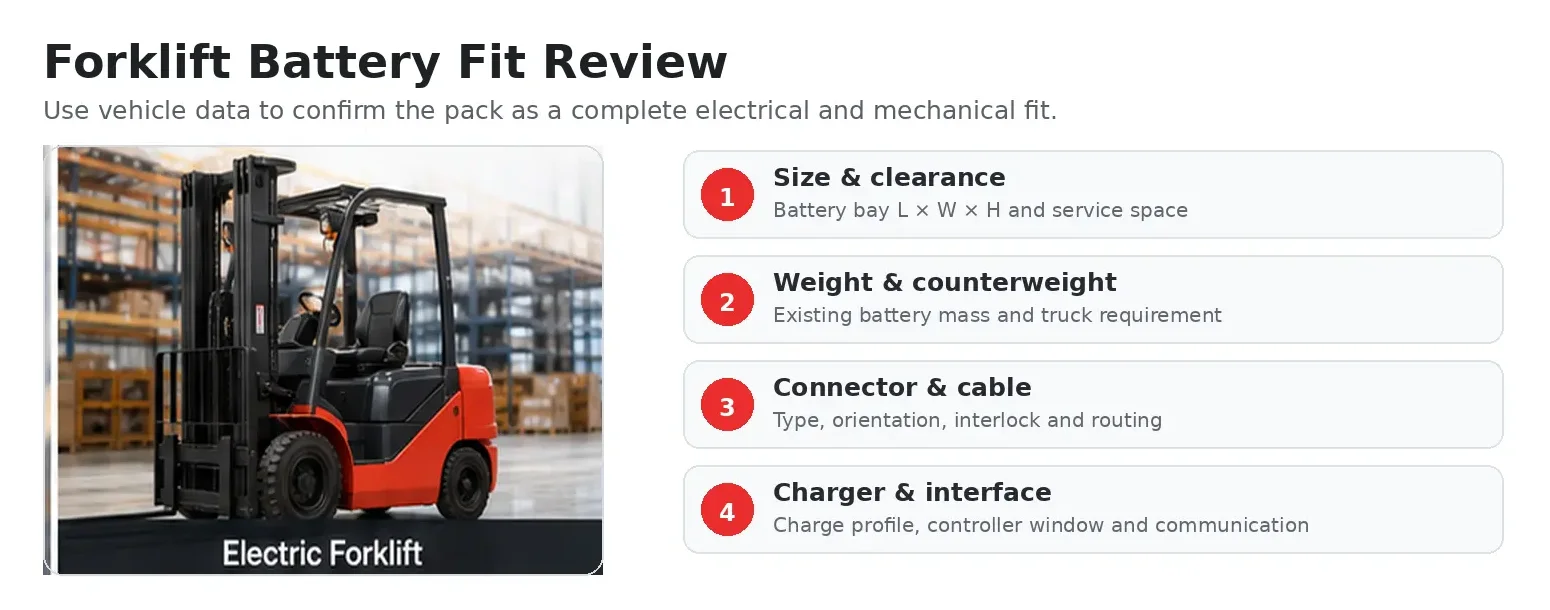
For a 48V 210Ah forklift battery project, once the fit review is complete, HSS Energy records the approved enclosure, connector and cable layout, charger parameters, BMS / communication interface, label content, packaging requirements and other project-specific items so sample approval and repeat orders use the same technical basis.
|
Area |
Typical project choice |
Confirmation point |
|
Electrical |
Voltage class, capacity, current limits |
Match truck and charger requirements |
|
Mechanical |
Case dimensions, fixing, connector orientation |
Match battery bay and service access |
|
Interface |
Connector, CAN / RS485 when required |
Match truck / charger architecture |
|
Branding |
Label and product identification |
Approve before repeat production |
|
Packaging |
Project-specific transport protection |
Agree before shipment release |
For repeat supply of the 48V 210Ah LiFePO4 Forklift Battery, HSS Energy maintains dedicated battery-pack production areas and battery test equipment to support project manufacturing and validation. Production and inspection requirements can be aligned with the approved pack configuration, while model-specific test reports or inspection records can be reviewed when required for the project.

Battery pack production area
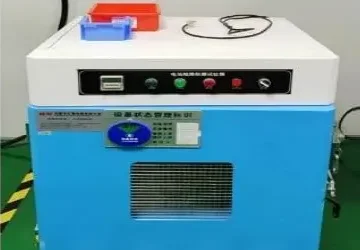
Short-circuit test chamber
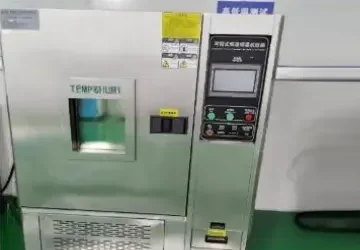
Temperature & humidity chamber
Documentation support : Certification and test documents can be reviewed against the ordered model and approved project configuration when required.
Not automatically. The truck voltage range, battery compartment, required battery mass or counterweight, connector, charger, current demand and communication requirements need to be reviewed before replacement approval.
No. Capacity is one sizing input. Runtime depends on the truck, load, lift cycles, travel pattern, temperature, usable SOC range and charging strategy.
Only after the charger output, profile, connector and any communication requirements are checked against the approved lithium battery configuration.
The pack must fit the battery compartment and leave enough clearance for cables and service. On some forklifts, battery mass also contributes to the counterweight requirement.
Provide the forklift model, current battery information, battery-bay dimensions, existing battery weight, connector photos, charger data, typical working hours and load profile, plus communication requirements if applicable.
Project-specific customization can be evaluated. The final technical scope is confirmed in the approved configuration before sample or production release.
Share the truck model, battery label, compartment dimensions, battery weight, connector photos, charger parameters and duty profile. HSS Energy can review whether the 210Ah configuration should proceed as shown or be adjusted for the project.
Address
A3, 1204-1, 1142 Jimei North Avenue, Software Park Phase III, Xiamen Torch High-tech Zone, Xiamen, China
Tel