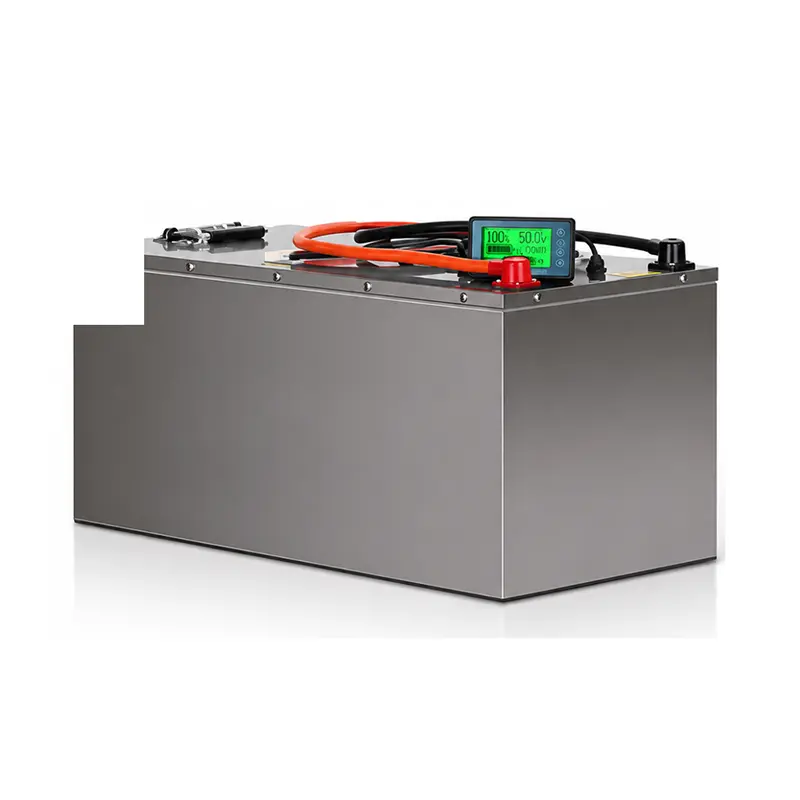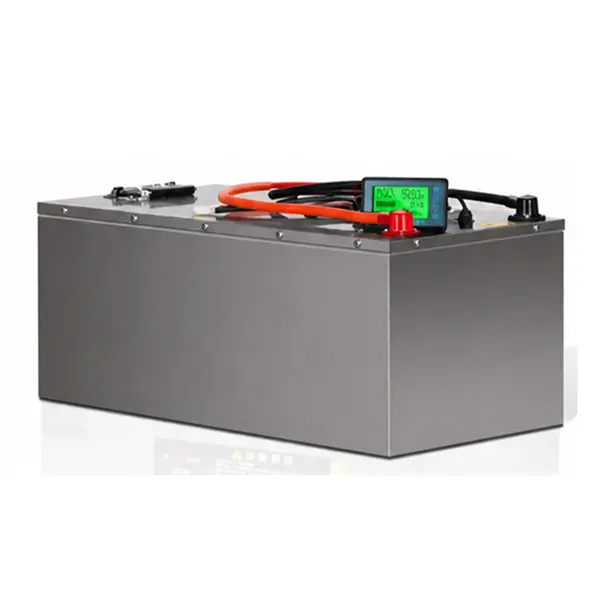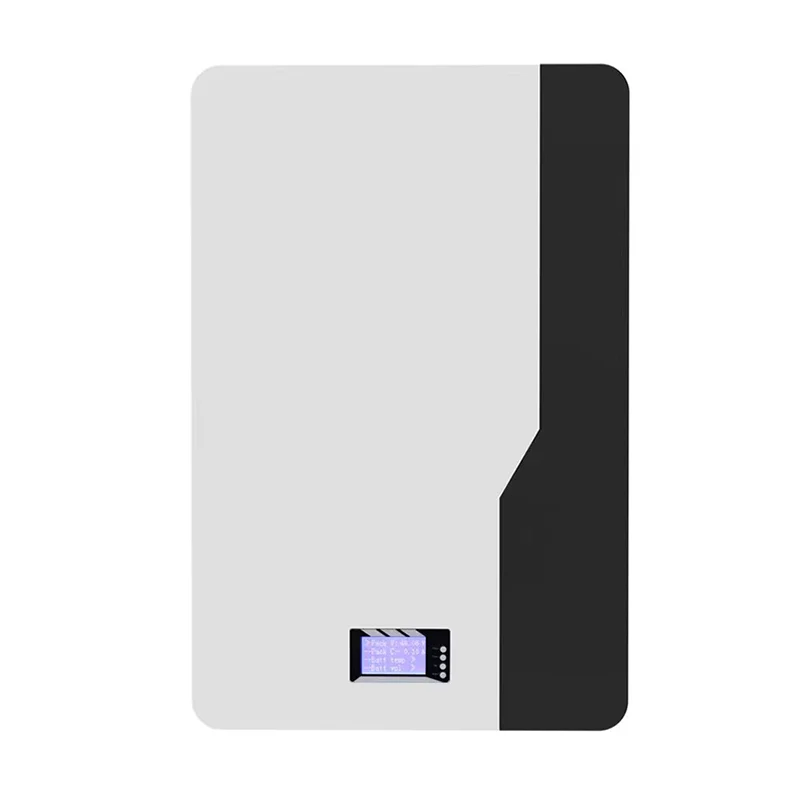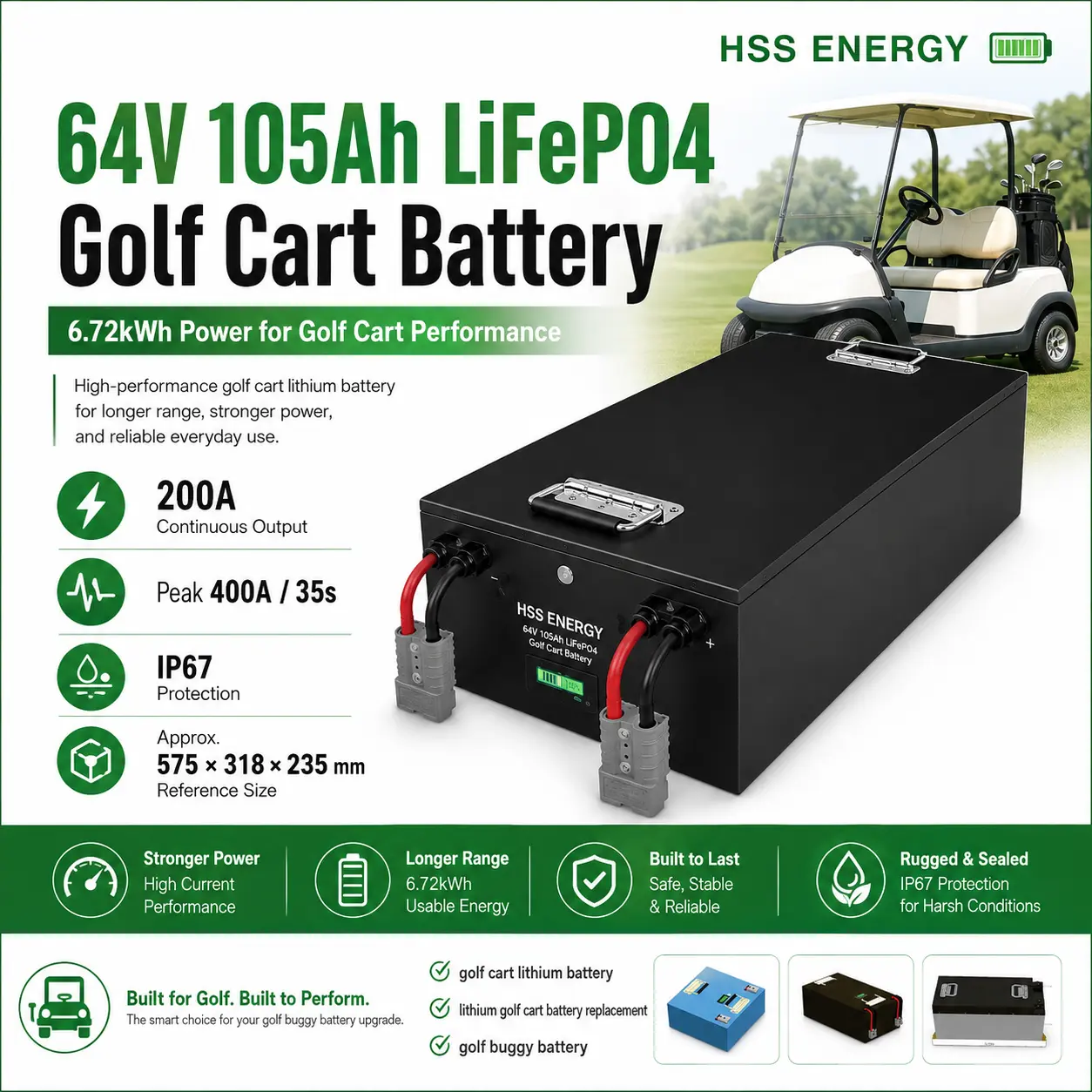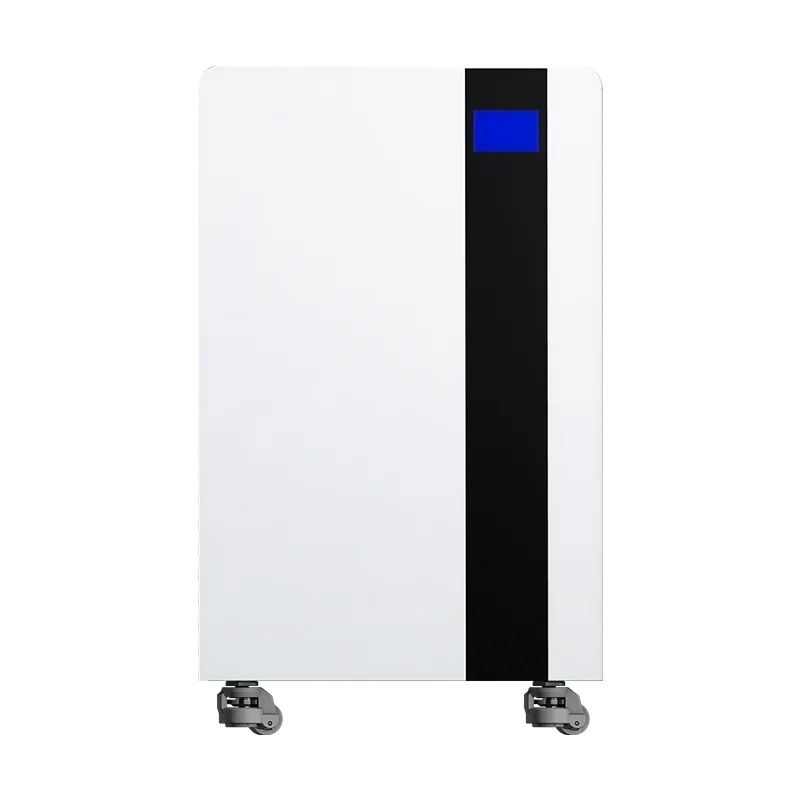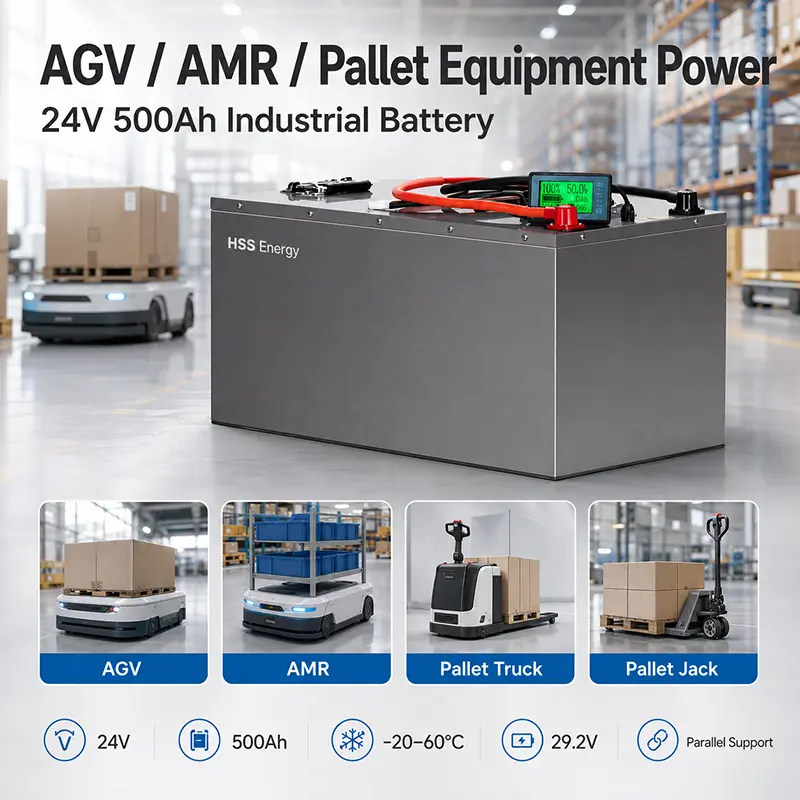
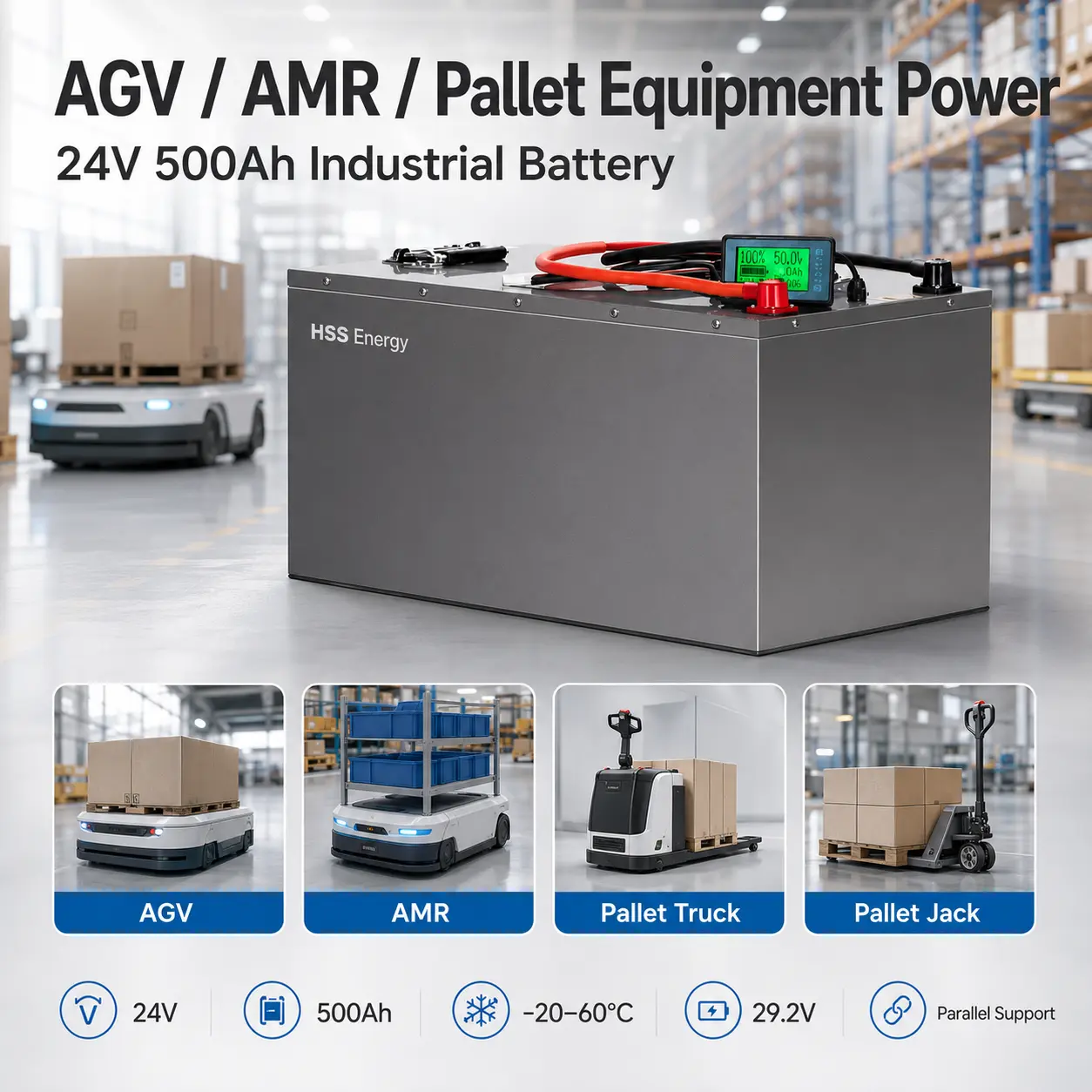
The 24V 500Ah RV Battery by HSS Energy supplier is designed for B2B projects that need more efficient DC power distribution than a comparable 12V architecture while retaining a practical mid-voltage system for inverters, charging sources and onboard house loads. Final selection should confirm inverter size, charger profile, solar controller, DC-DC conversion, cable sizing, protection, installation space and the planned parallel-bank layout.
|
Specification |
Source-Supported Value |
|
Model |
FUQ0-02P |
|
Battery Chemistry |
LiFePO4 |
|
System / Market Voltage |
24V |
|
Capacity |
500Ah |
|
Charge Voltage |
29.2V |
|
Operating Temperature |
-20°C to 60°C |
|
Parallel Expansion |
Supports multiple parallel connections |
|
Specification Boundary The supplied data does not state the exact nominal pack voltage, nominal energy, maximum charge/discharge current, dimensions, weight, communication protocol, maximum parallel quantity or model-level certification scope. These items should be confirmed against the approved FUQ0-02P configuration before publication or quotation. |
|
For a mid-voltage RV electrical system, a 24V RV battery can reduce DC current compared with a 12V battery bank at the same power level. That can help inverter-based projects manage cable size, voltage drop and high-load distribution more efficiently, while keeping the system simpler than a higher-voltage 48V architecture.
12V vs 24V House-Power Architecture
|
Design Point |
12V House Bank |
24V House Bank |
|
Same load power |
Higher DC current |
Lower DC current |
|
Distribution focus |
Cable / fuse burden increases sooner |
Mid-voltage distribution reduces current demand |
Actual current depends on real battery voltage under load, conversion efficiency and connected equipment. A 24V main bank may still require a 24V-to-12V DC-DC converter for existing 12V house circuits.
A 24V LiFePO4 RV battery is well suited to cycle-oriented house-power use where the battery repeatedly supports lighting, pumps, electronics, refrigeration and inverter-fed loads. The final BMS thresholds, charger settings and protection strategy should still match the approved RV electrical architecture.
The RV house battery format should be treated as a battery-bank sizing input, not as a fixed runtime promise. customers should estimate daily DC loads, inverter-fed AC loads, refrigeration, pumps, electronics, HVAC duty, reserve margin and available charging energy before deciding the usable capacity target.
A 24V lithium RV battery project should be reviewed together with the inverter/charger, shore-power charger, solar charge controller and alternator charging method. Voltage class alone is not enough; the charging profile, current capability, protection settings, fuse strategy and cable cross-section must work as one system.
Many RV appliances, lighting circuits, pumps and control electronics remain 12V even when the main battery bank is 24V. A project may therefore need a correctly sized 24V-to-12V DC-DC converter, with clear separation between high-power 24V inverter loads and the vehicle's existing 12V distribution. This is one of the main integration tradeoffs of moving from a 12V to a 24V house system.
|
Solar / Shore |
MPPT / Charger |
24V Battery Bank |
Inverter / DC-DC |
House Loads |
|
Charge sources |
Profile match |
FUQ0-02P |
Power conversion |
AC + 12V DC |
Recommended project inputs: inverter continuous and surge rating, shore charger / inverter-charger model, solar-controller model, alternator/DC-DC charger details, 12V auxiliary-load estimate, battery-compartment dimensions, cable length, terminal preference and planned pack quantity.

RV / motorhome / travel-trailer application scenes supplied for the battery series.
A 500Ah RV house battery can be expanded where the approved BMS, cabling and protection design allow multiple parallel packs. Before production, the project should define pack count, interconnection layout, common-bus design, fuse strategy, cable lengths, balancing approach and charging equipment. The source does not state a maximum number of parallel batteries.
A LiFePO4 motorhome battery system should be integrated around the complete charging and load architecture rather than selected by capacity alone. HSS Energy recommends reviewing the inverter, shore charger, alternator/DC-DC charger, solar controller, 12V converter, disconnects, fuses and expected peak loads together.
For UK and some European markets, customers may describe the same house-power role as a 24V motorhome battery bank. The application intent remains the onboard living-area battery system, so the project still needs confirmation of charger compatibility, inverter demand, solar input, installation space and protection design.
The supplied series materials support OEM / ODM discussion around voltage, capacity, connector, case size, label and packaging. For a 24V RV project, those options should be reviewed together with charging sources, inverter interface, DC-DC conversion, installation space, service access and the selected parallel-bank architecture.
|
Voltage / Capacity |
Connector / Terminals |
Case Size |
|
Label / Branding |
Packaging |
System Fit Review |
After a sample or engineering configuration is approved, HSS Energy can record the confirmed battery model, housing, terminal or connector layout, charge-voltage requirement, parallel-bank plan, label and packaging requirements to support repeat-order consistency.
The company evidence library shows battery production areas and multiple testing devices. These visuals can support supplier-capability and process discussions, but they do not by themselves prove that every FUQ0-02P unit passed each pictured test. Model-specific test or certification claims should only be used when the matching report scope is available.
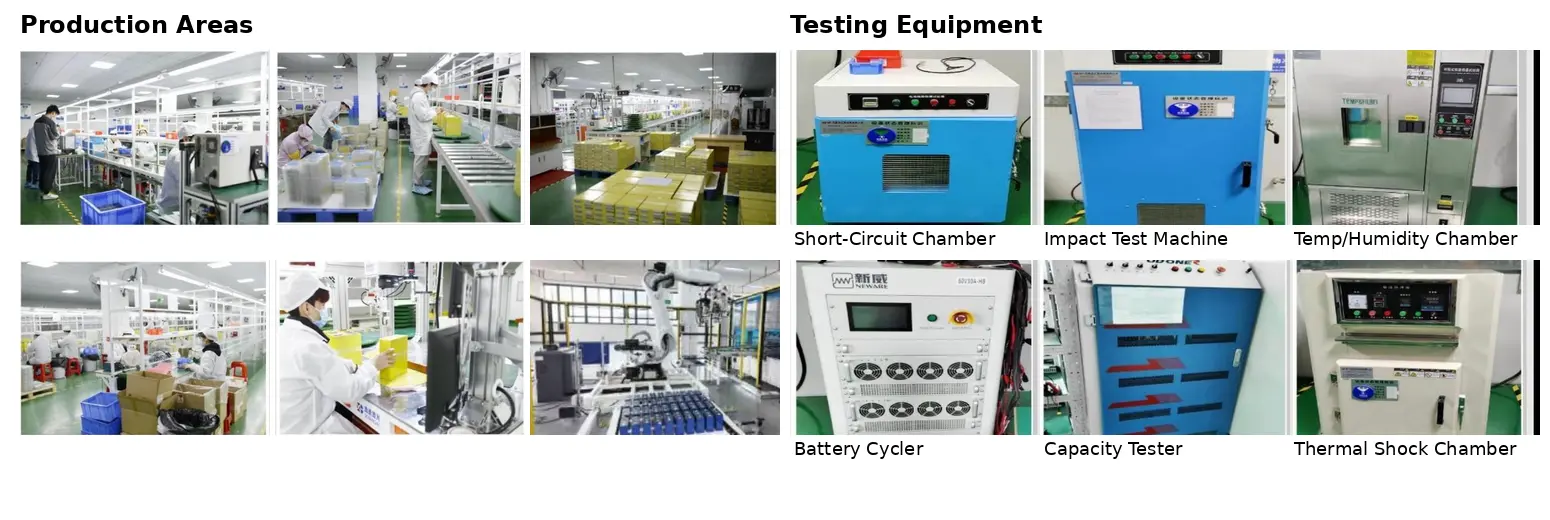
HSS Energy production-area and testing-equipment evidence supplied by the user. Equipment availability is not a substitute for a model-specific test report.
Company-level UL, CE, IEC, BIS, UN38.3, ISO 9001, drop-test and other documents can be reviewed against the final ordered model and market. They should not be assigned automatically to the 24V 500Ah product unless the certificate or report scope matches the approved battery configuration.
customers Decision Snapshot
· Choose 24V when the RV project needs a practical mid-voltage architecture for inverter-based house power and wants lower DC current than a comparable 12V system.
· Confirm the 29.2V charge-voltage reference against the inverter-charger, solar controller and any alternator/DC-DC charging source.
· Plan how existing 12V appliances will be supplied, typically through an appropriately sized DC-DC converter.
· Treat 500Ah as a capacity-planning input; actual runtime depends on load profile, inverter efficiency, usable state-of-charge window, temperature and charging strategy.
· Define parallel pack quantity, common-bus design, fusing and cable layout before finalizing an expandable battery bank.
Yes. The RV battery series has been confirmed as LiFePO4 chemistry.
At the same power level, a 24V system can operate at lower DC current than a 12V system. That can help with cable sizing and voltage drop in inverter-based projects, but the RV may need DC-DC conversion for existing 12V house loads.
The source data does not state the exact nominal pack voltage or nominal energy. HSS Energy should confirm the pack specification before publishing a kWh value rather than deriving one from the market voltage class.
The supplied specification states support for multiple parallel connections. The maximum practical quantity, interconnection design, fusing, common bus and charging equipment should be confirmed for the approved project.
Review the inverter-charger or shore charger, solar controller, alternator/DC-DC charger and any other charging source against the approved battery configuration and the source-listed 29.2V charge-voltage reference.
Provide the RV type, existing electrical architecture, inverter rating, charger models, solar-controller model, alternator/DC-DC charger details, 12V auxiliary-load requirements, battery-compartment dimensions, terminal preference, planned pack quantity and annual demand.
The supplied series materials support OEM / ODM discussion for voltage, capacity, connector, case size, label and packaging. Final scope follows the approved project configuration.
Send HSS Energy your motorhome or camper electrical architecture, inverter size, charging sources, 12V auxiliary-load requirements, installation space, cable layout and required quantity. We can review the 24V system fit, confirm the approved FUQ0-02P configuration and prepare the OEM / ODM quotation package.
Address
A3, 1204-1, 1142 Jimei North Avenue, Software Park Phase III, Xiamen Torch High-tech Zone, Xiamen, China
Tel